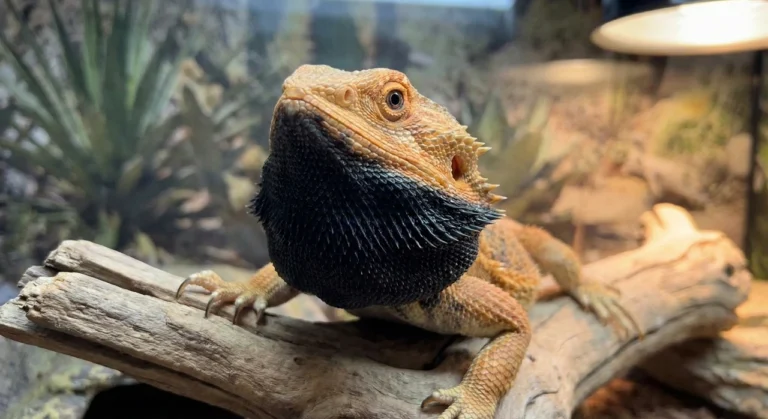
The Complete Guide to Traveling With a Bearded Dragon
A day before any trip with my beardie, I always run through the same mental checklist. Carrier temperature checked with a probe. Route mapped with fewer stops. Hotel confirmed as reptile-friendly. Heat packs tested an hour earlier so I know how warm they actually get. Travelling with a bearded dragon is not difficult, but it is unforgiving if you treat it like moving a hamster.
Most dragons handle short car rides surprisingly well. The problems start when owners guess at heat packs, skip the carrier trial run, or assume a hotel will be a comfortable ambient temperature overnight. This guide walks through the realistic protocols for short journeys, long road trips, overnight stays, and the honest truth about flying.
When You Should Not Take Your Beardie With You
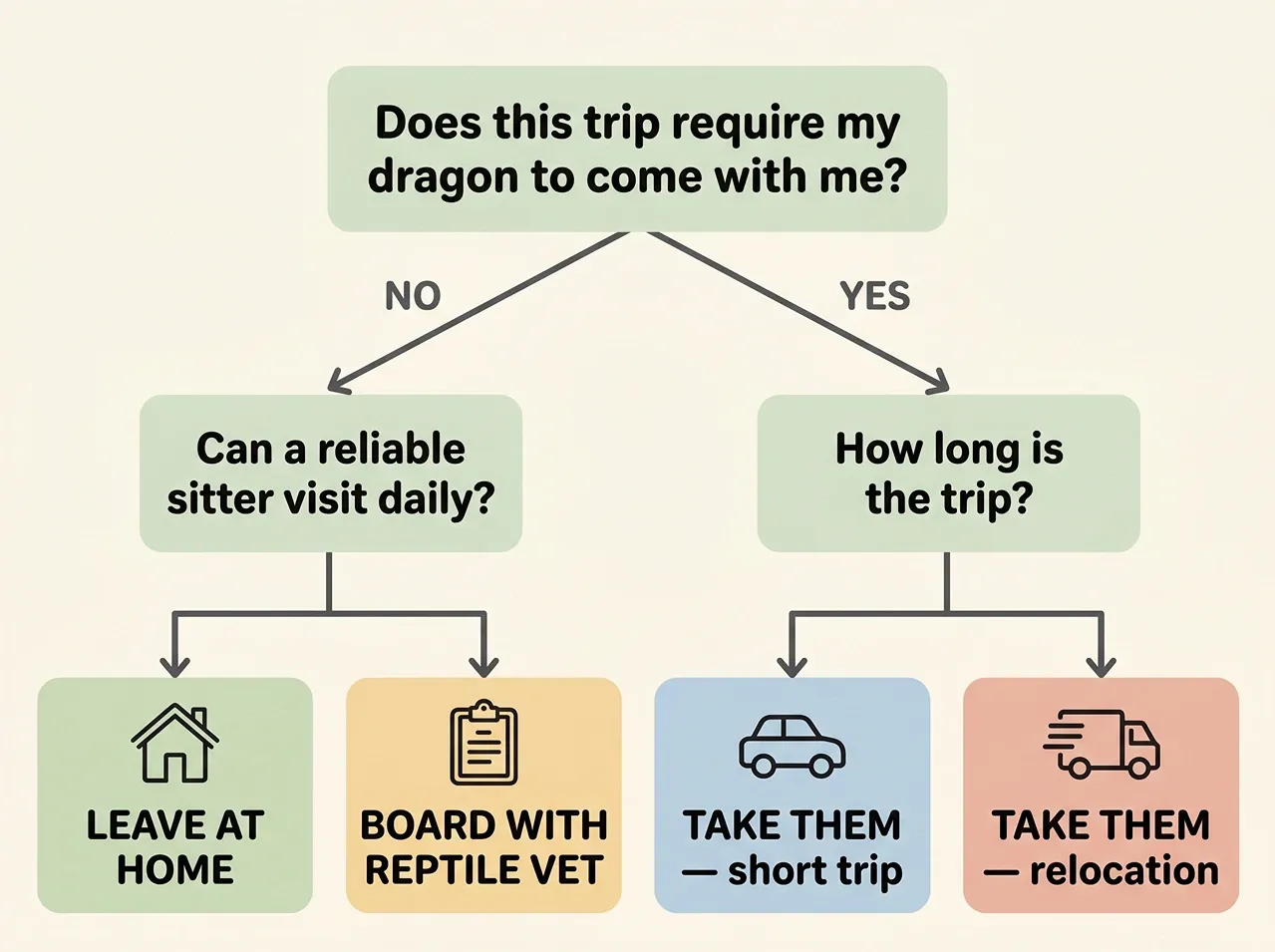
Dragons are not dogs. They do not enjoy new places, and the “I miss my pet” instinct that makes people drag them along is almost always worse for the animal than leaving them home. Before you start packing, work out whether the trip genuinely requires them to travel.
A short vet visit or a move to a new home is non-negotiable travel. A week-long holiday where a friend could feed and top up water at your place is entirely optional travel. The difference matters because stress suppresses appetite and immunity in bearded dragons for days after a disruptive journey.
Quick Decision Framework
| Situation | Best Option | Why |
|---|---|---|
| Trip under 3 days, sitter available | Leave at home | Adult dragons tolerate short fasts fine, no travel stress |
| Trip 4 to 10 days, sitter visits daily | Leave at home | Less stressful than relocation, routine stays intact |
| Trip over 10 days, no reliable sitter | Reptile boarding or take them | Extended neglect of lighting and hydration is riskier |
| Permanent relocation or move | Take them with you | Rehoming for a move is worse than one stressful journey |
| Emergency vet visit | Take them, prioritise speed | Short trips rarely cause lasting stress |
Conditioning Your Dragon to the Carrier First
The single thing almost every travel article skips is the trial run. A dragon who has never been inside their travel carrier will panic the first time the lid closes and the car starts moving. Spend the week before your trip introducing it properly.
Place the open carrier in the room where your dragon free-roams or in front of their tank at basking time. Let them investigate it with no pressure. After two or three days, pop them inside for ten minutes while you stay nearby. Do this three or four times before the actual trip.
Short practice drives help even more. A ten-minute loop around the block tells you whether your dragon will settle or scratch at the sides the whole way. If they panic on a short run, extend the conditioning before committing to a long trip. Watching their body language cues tells you whether to push forward or go back to carrier-only practice.
Choosing the Right Travel Carrier
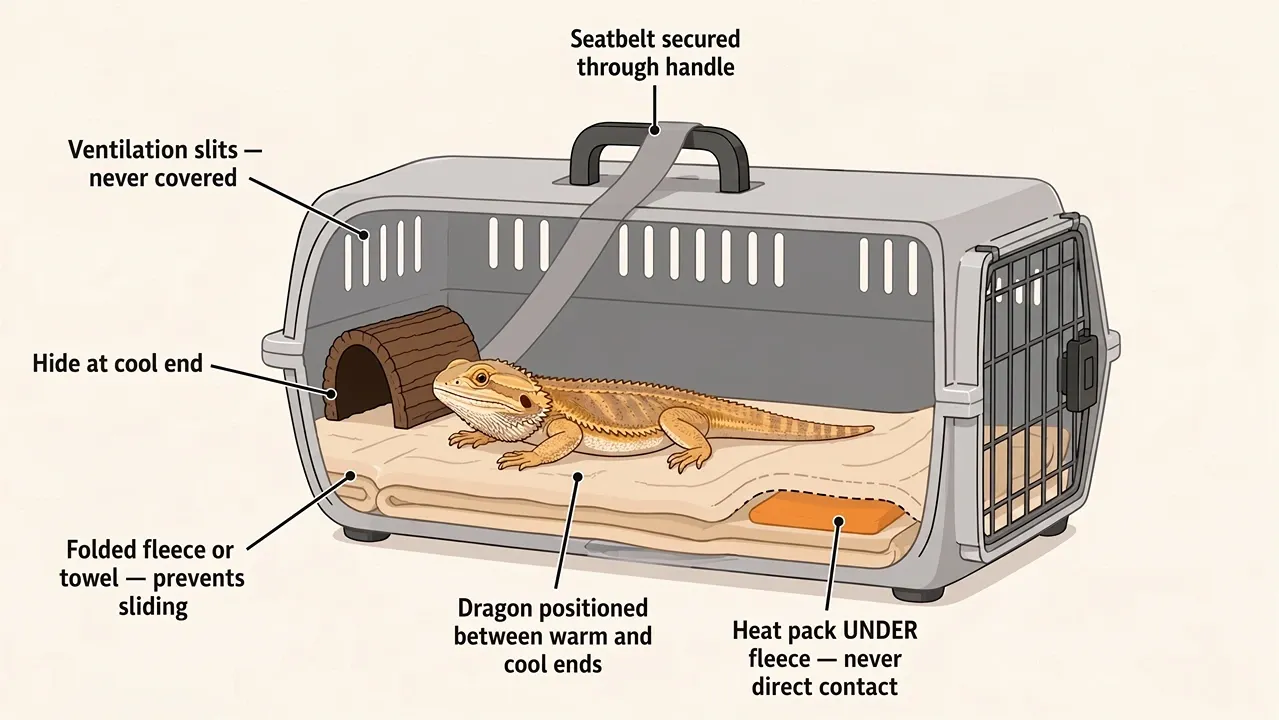
Forget the tank. Moving a full vivarium every trip is impractical, and glass is a safety hazard in a car. Your carrier needs four things: secure ventilation, an opaque or partially covered design, enough space for the dragon to lie flat, and a way to strap it into a seatbelt.
A small hard-sided pet carrier with air vents on the sides and a wire door works well for adult dragons. A plastic storage bin with drilled ventilation holes and a locked lid is the budget equivalent and handles beardies of any size. Soft-sided carriers are only suitable for very short trips with docile adults.
Line the bottom with a folded towel or fleece blanket. Dragons slide helplessly on smooth plastic during turns and sudden braking, and skidding into the carrier wall is one of the most common travel injuries. Add a small hide at one end so they have somewhere to feel secure.
Temperature Control in the Car
Bearded dragons cannot generate their own body heat. A cold carrier slows digestion, suppresses their immune response, and causes fast, shallow breathing that can look alarmingly like a respiratory infection. A hot carrier kills them faster than cold does.
The target range inside the travel carrier is roughly 75 to 85°F (24 to 29°C) for ambient temperature during the journey. You do not need a basking spot in a carrier. You need the dragon to stay warm enough that their metabolism does not crash.
Run the car’s heating or air conditioning to match. If your cabin is 72°F, the carrier will sit about the same. In summer this usually works without any extra heat source. In winter, you need supplementary warmth that does not rely on the car staying on.
Winter Heat Pack Setup
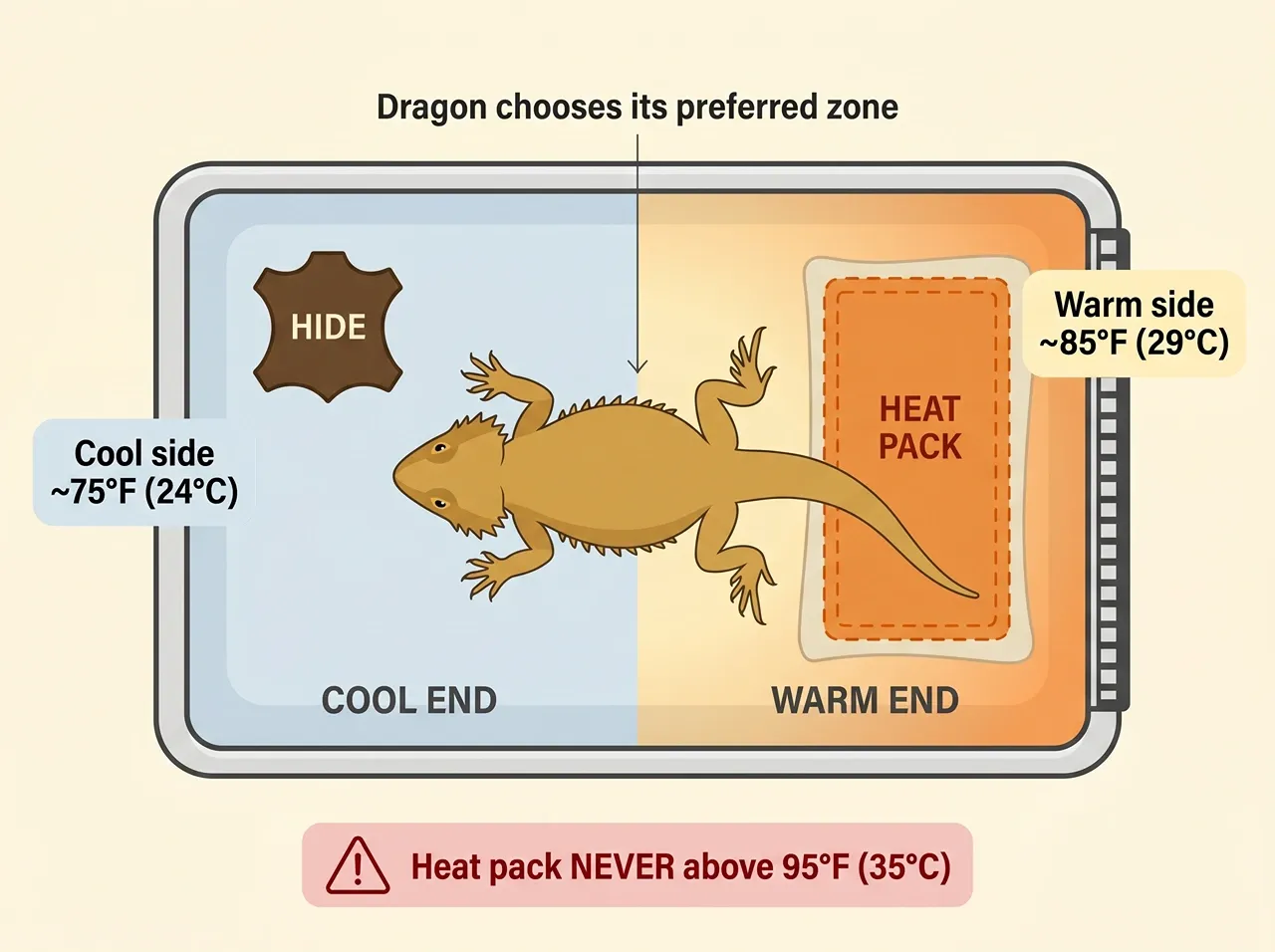
Disposable hand warmers and reptile shipping heat packs are the standard winter solution. They generate gentle heat for 8 to 72 hours depending on the type. The critical rule is that they must never touch the dragon directly and must never create a hot spot above 95°F (35°C).
Activate the heat pack 30 minutes before you leave and measure it with an infrared thermometer. Fold it in half and place it under the towel on one side of the carrier. This gives your dragon a warm end and a cooler end, so they can shift if it gets too hot. Check the temperature every hour during the drive.
Summer Overheating Risks
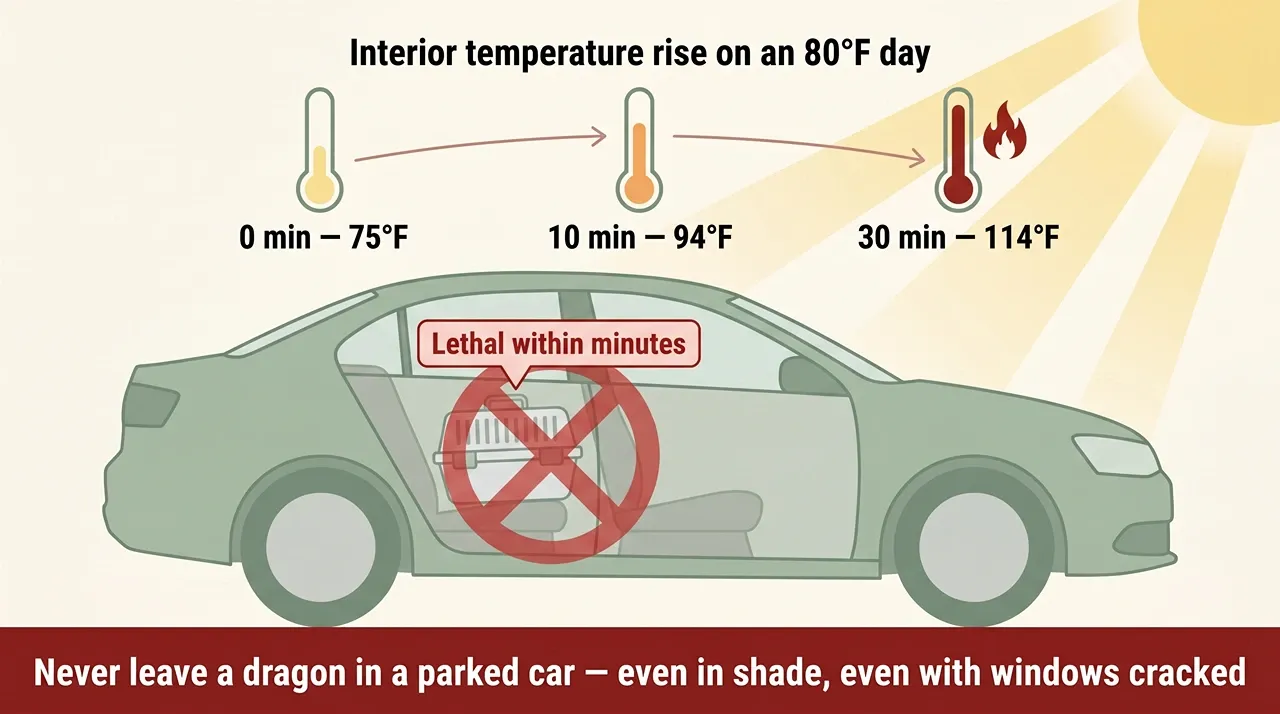
A carrier left in direct sun inside a parked car becomes lethal within minutes. Even a cool day with full sunlight on the back seat can push interior temperatures past 110°F (43°C). Never leave your dragon alone in a parked vehicle, and keep the carrier out of direct sunlight during the drive by using a window shade or strategic positioning on a shaded seat.
If you are stopping for food, you have three options. Take the dragon with you in the carrier, park in genuine shade with windows cracked for no more than a few minutes, or plan stops at places with drive-throughs. The “quick stop” in summer kills more travelling reptiles than any other single cause.
Should You Feed Them Before a Trip
Skip the morning feed before departure. Stress slows digestion dramatically, and food sitting undigested in a stressed, cooler dragon is the fast track to impaction. An adult dragon can comfortably skip food for several days with no ill effect.
Offer water the evening before and a shallow bath the morning of travel if you have time. This topped-up hydration matters more than a full stomach. Do not pack live feeder insects in the main carrier. Crickets escaping inside a moving car is a problem nobody needs.
On trips over three or four days, carry black soldier fly larvae or a small container of veggies in a cooler for when you arrive. They are mess-free, long-lasting, and easy to feed at your destination. The same practical hydration methods you rely on at home work just as well on the road.
Long Road Trips and Overnight Stops
For drives over six hours or trips requiring hotels, the approach shifts from keeping them safe for a short journey to maintaining a minimum viable habitat for days. You do not need to recreate their full setup, but you do need basking heat for at least one period each day.
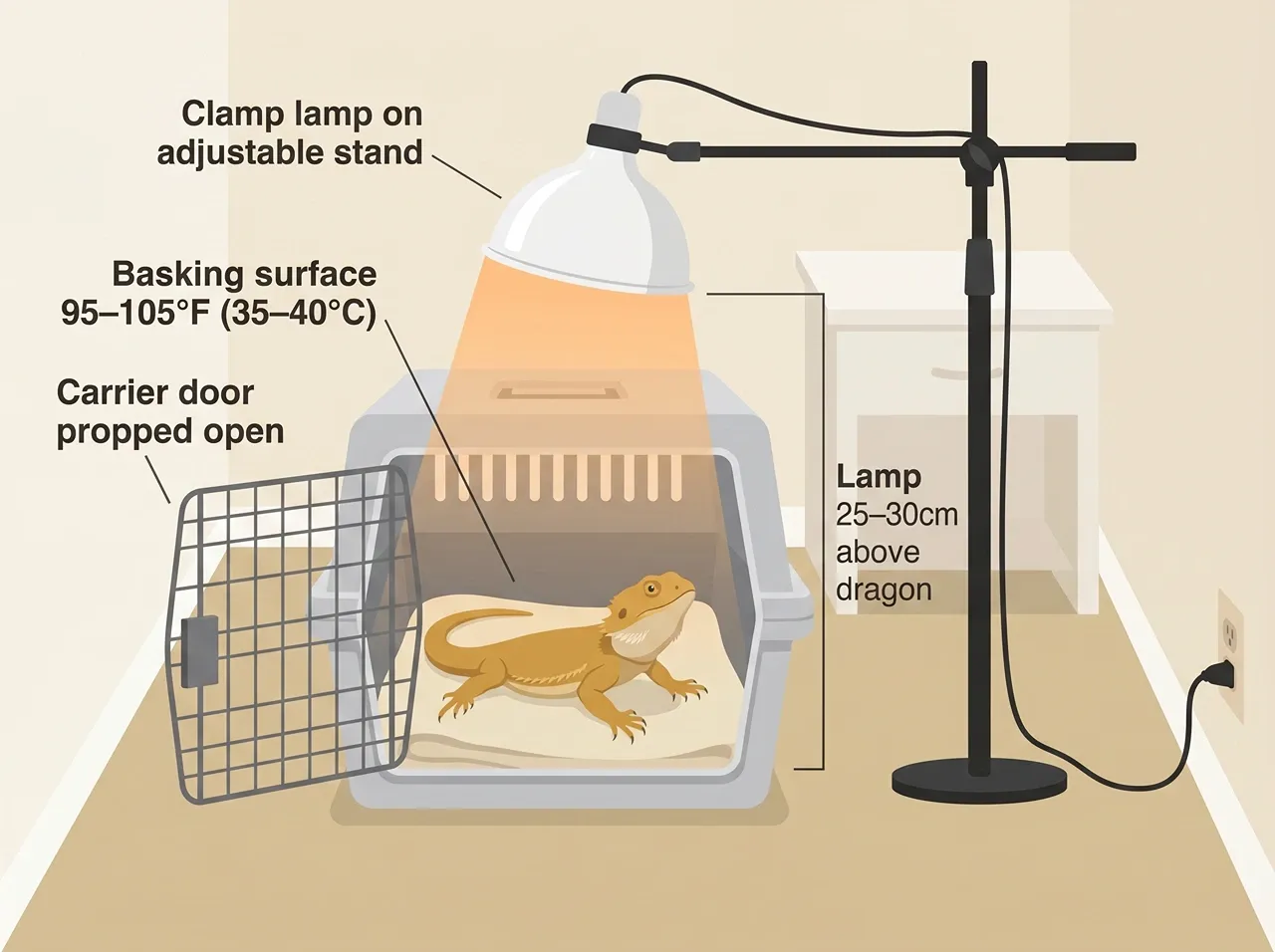
Pack a clamp lamp or a small adjustable lamp stand, one halogen flood or mercury vapour bulb, and a small digital thermometer. Everything fits in a single bag. A spare bulb is smart insurance since pet shops near hotels are rarely convenient.
Setting Up in a Hotel Room
Book pet-friendly rooms. Most hotels accept reptiles in a carrier with no fuss, but sneaking one in is a risk not worth taking. Call ahead if the booking site is ambiguous.
Set the clamp lamp on a lamp stand pointed into the travel carrier or onto a clean towel on the floor. Run it for an hour in the morning while you shower, get the basking surface to 95 to 105°F (35 to 40°C) measured with an infrared thermometer, and let your dragon warm up and move around before packing them back up. This single morning bask covers them for the day.
UVB on the Road
A few days without UVB will not harm an adult dragon. Trips under a week are fine with one morning bask and incidental window light. For longer trips, pack a small UVB coil or a mercury vapour bulb that provides both heat and UVB. Choosing between coil and tube bulbs matters more for travel than most owners realise, since coils are more compact and survive transport better.
The Honest Truth About Flying
Most major airlines refuse bearded dragons entirely. Delta, American, and United all list reptiles as prohibited in both cabin and cargo for domestic flights in the US. UK and EU carriers are even more restrictive. The “airlines that allow lizards” lists circulating online are largely outdated, applied only to international cargo, or only cover specific routes.
If you are moving long distance and driving is impossible, your realistic options are a licensed live-animal shipper or paid ground transport. Both require booking in advance, a vet health certificate issued within ten days of travel, and an insulated shipping container with heat packs rated for the journey length.
Claiming your dragon is an emotional support animal to get around airline policies is both dishonest and increasingly impossible. US airlines stopped recognising emotional support animals in 2021, and service animal status applies only to dogs.
If You Must Fly
The few routes where dragons can fly are specialised cargo bookings with carriers like Alaska Air Cargo. This is not a pack-them-in-a-carry-on situation. The container must meet IATA Live Animals Regulations, include tested heat packs, and be picked up at the cargo terminal on arrival. Expect several hundred dollars in fees and paperwork that takes weeks to assemble.
For any international flight, you also need an export health certificate, import permits for the destination country, and confirmation that your destination allows reptile imports at all. Start this process two months before travel, not two weeks.
What to Pack for Any Trip
A complete travel kit fits in one small duffel bag. Having everything in one place prevents the “I forgot the thermometer” moment 200 miles from home.
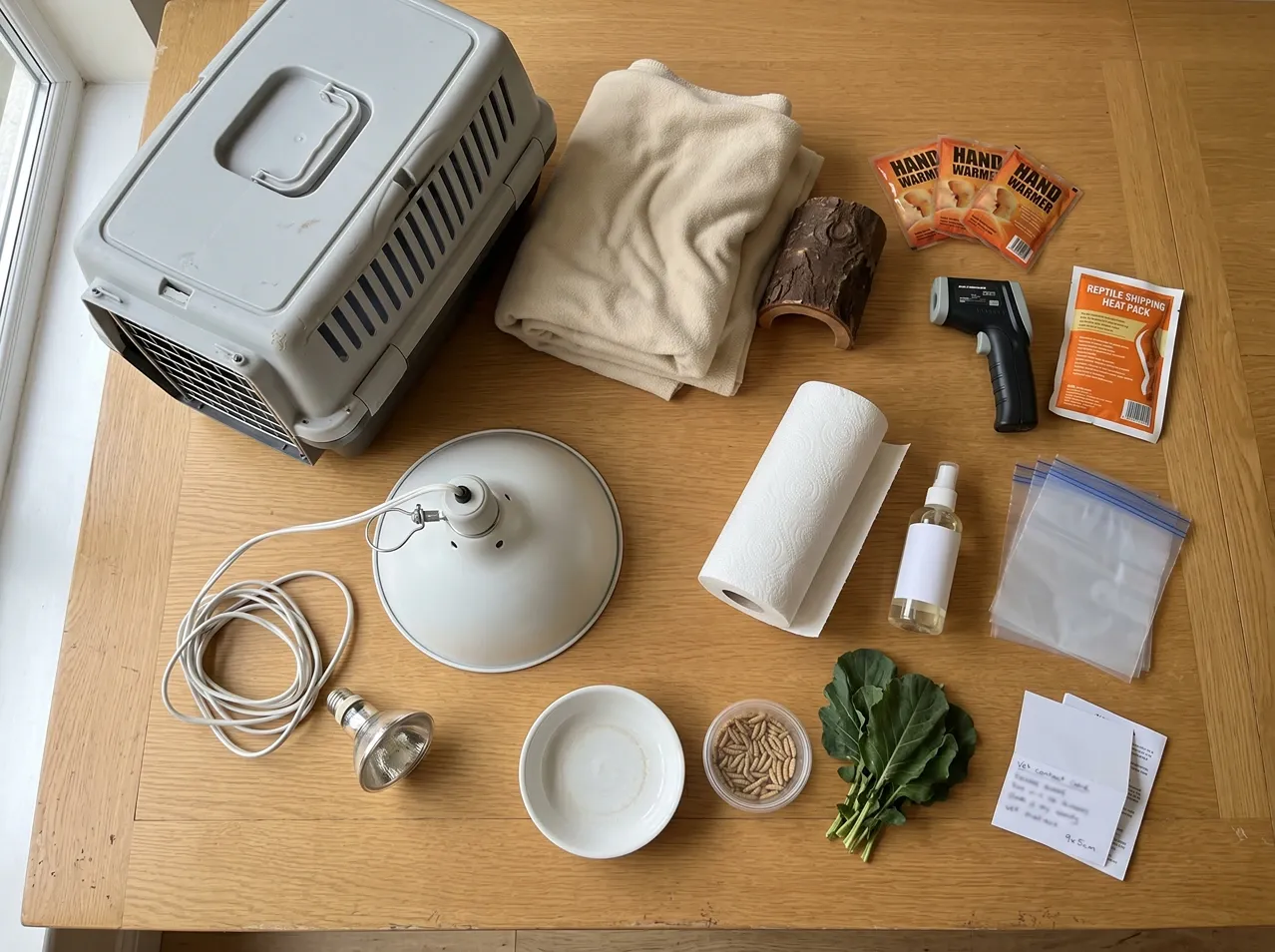
- Travel carrier with secured lid and ventilation
- Two or three soft towels or fleece blankets for lining
- Small hide that fits inside the carrier
- Infrared thermometer (non-contact temp gun)
- Clamp lamp or adjustable lamp stand for trips over 24 hours
- Spare basking bulb and a spare UVB bulb if staying more than a week
- Disposable hand warmers or 40 to 72 hour heat packs
- Paper towels and a spray bottle of reptile-safe disinfectant
- Plastic bags for soiled towels
- Small cooler with vegetables, optional black soldier fly larvae
- Shallow container for baths and water offerings
- Spare fleece blankets
- Vet contact card and copy of recent fecal or weight records
A proper first aid kit should ride in the same bag. Travel is exactly when minor issues turn into bigger problems, and having the basics on hand saves you hunting for a reptile vet in an unfamiliar city.
Reading Your Dragon During Travel
A calm travelling dragon will usually settle into their hide or lie flat on the towel. A darker beard, fast breathing, repeated scratching at the sides, or gaping are all stress signals that mean something in the carrier is wrong.
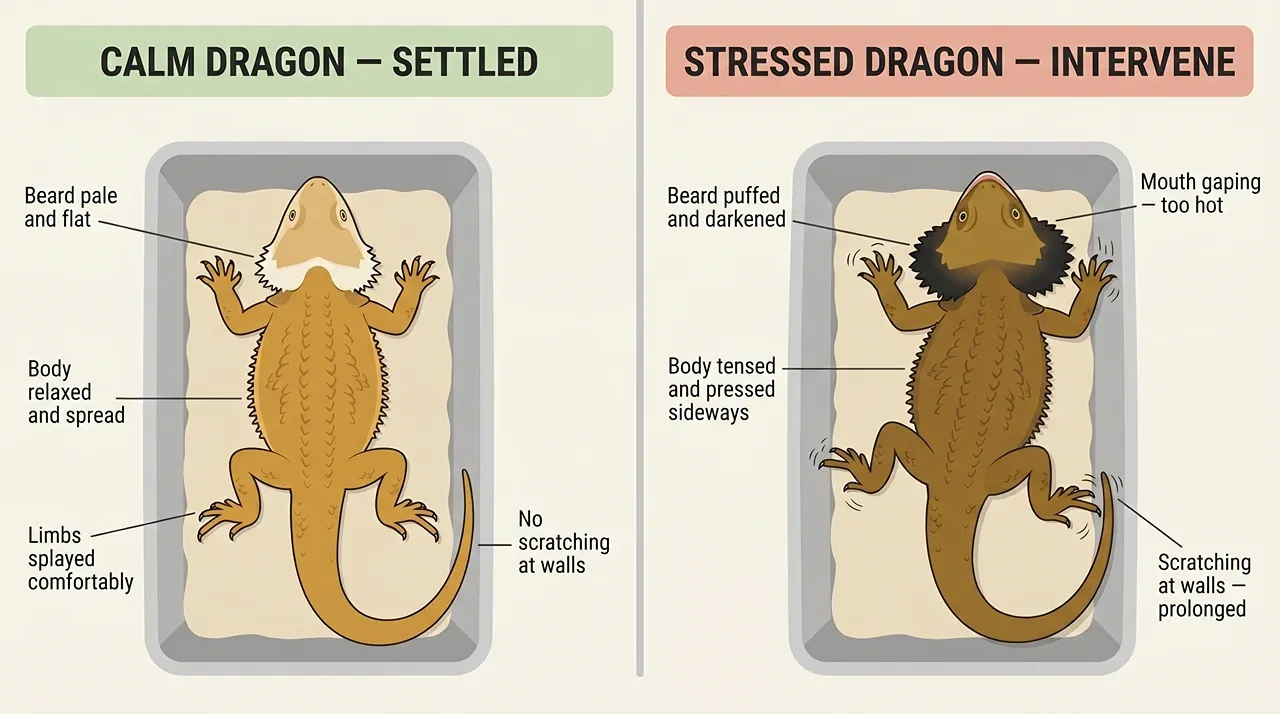
If they blacken and stay blackened for more than an hour, check the temperature first. Cold dragons darken to absorb ambient heat. A carrier that has dropped below 70°F (21°C) needs more insulation or a fresh heat pack. A dragon gaping with fast breathing is likely too hot and needs cooler airflow.
Glass-scratching and frantic movement in the first thirty minutes is normal. If it continues for an hour or more, pull over and check. Sometimes a dragon has shifted onto a hot spot or wedged themselves in a corner with no grip. Five minutes of repositioning usually solves it.
Pre-Trip Vet Check
For any journey over a day or two, a vet visit in the two weeks beforehand is worth the cost. A dragon showing early signs of a respiratory infection or parasite load will deteriorate fast under travel stress. Catching it before departure means treatment starts on day one instead of day seven in a hotel room.
Ask for a health certificate if you are crossing state lines in the US or crossing borders in Europe. Even for a road trip, some states technically require one for reptile transport, and you will not want to be tested on that at a weigh station.
If your regular vet is far from your destination, look up a reptile-experienced vet at each overnight stop before you leave. Locating a reptile vet follows the same process whether you are at home or on the road, but you want the phone numbers saved before you need them.
After the Trip Is Done
Dragons often refuse food for two or three days after returning home. This is normal stress recovery, not a medical problem. Offer water and a shallow bath, keep their basking temperatures correct, and give them space to settle back into their enclosure.
Watch for a darker beard, reduced activity, or runny stools for the first week. Most dragons bounce back completely within a few days. If stress signs persist past a week, or if appetite stays suppressed beyond ten days, book a vet visit. Prolonged travel stress can trigger underlying health issues that were previously subclinical.
Brumation season complicates this picture. A dragon already slowing down for seasonal brumation may appear extra lethargic after a trip, and it can be hard to tell travel stress from natural winter slowdown. When in doubt, weigh them weekly and monitor hydration rather than guessing.
Three Things Experienced Keepers Always Do
The small habits that separate a smooth trip from a disaster are rarely in the big checklists. After years of road trips with beardies, three things matter more than any piece of gear.
Put a piece of your dragon’s usual substrate or a worn fleece blanket from their enclosure in the travel carrier. The familiar smell reduces stress more than any amount of padding or hiding spots. Drive with the carrier strapped into the back seat, never the front. Airbag deployment on a front passenger seat can kill a dragon instantly, and the back footwell on the passenger side is the safest spot in most cars.
Finally, take photos of your home setup before you leave. Replicating basking spot placement, hide positioning, and water bowl location at your destination helps your dragon settle faster in unfamiliar surroundings.
Questions About Travelling With Beardies
Can I take my bearded dragon on vacation with me?
For trips under ten days with a reliable sitter available, leaving your dragon at home is usually less stressful than bringing them along. Longer trips, permanent moves, or situations with no sitter are when travelling with them is the safer choice.
What temperature should the travel carrier be?
Target an ambient temperature of 75 to 85°F (24 to 29°C) inside the carrier during travel. Hot spots from heat packs should never exceed 95°F (35°C) and should be on one side only so the dragon can move to cooler areas.
Can bearded dragons fly on planes?
Most major airlines including Delta, American, and United refuse bearded dragons in both cabin and cargo. A few specialised cargo services accept reptiles on specific routes with IATA-compliant containers and vet health certificates. Driving or using a licensed live-animal shipper is more realistic than flying for most domestic moves.
Should I feed my dragon before travelling?
Skip the last meal before departure. Stress slows digestion, and undigested food sitting in a stressed dragon increases impaction risk. Offer water and a shallow bath the morning of travel instead, and resume normal feeding once they have settled at the destination.
Do I need UVB lighting on a road trip?
For trips under a week, UVB is not critical for a healthy adult dragon. For longer trips or hotel stays, pack a compact UVB coil or mercury vapour bulb and give them a morning bask for 30 to 60 minutes each day using a clamp lamp.
How long can a dragon stay in a travel carrier?
For a healthy adult with correct temperatures, 8 to 10 hours of driving in the carrier is acceptable with short breaks. For trips longer than 24 hours, plan overnight stops where they can come out, bask for an hour, and move around a hotel room or playpen. Juveniles and senior dragons need more frequent breaks.
Why is my dragon’s beard turning black during travel?
A darker beard during travel usually signals either cold or stress. Check carrier temperature first, and if it has dropped below 70°F, add more insulation or a fresh heat pack. If temperature is correct, it is stress response to the unfamiliar environment and movement.
Your Travel Day Action Checklist
- One week before, start carrier conditioning with daily sessions
- Three days before, do a 10 to 20 minute practice drive
- 24 hours before, skip the last solid meal and offer water and a bath
- 1 hour before departure, warm up the car cabin and activate heat packs
- 30 minutes before, verify carrier temperature with an infrared thermometer
- Loading, strap carrier into back seat belt and confirm ventilation is unblocked
- Every hour on the road, quick temperature check without opening the carrier
- At every fuel stop, visual check and never leave unattended in a parked car
- At the destination, let them settle for 30 minutes before offering food or handling
- First day back home, return to full normal routine and expect 2 to 3 days of reduced appetite
Written by
Sarah ArdleySarah has kept bearded dragons for over ten years. She founded Beardie Husbandry after discovering that most mainstream care advice — including what she followed with her first dragon — was doing more harm than good. Every article on this site is grounded in veterinary research and real keeper experience.