Safe Live Plants for Bearded Dragons (That Will Actually Survive the Heat)
You buy a lush houseplant, drop it into your bearded dragon’s tank, and within 48 hours, it is either scorched brown by the heat lamp or trampled into a pulp. If the heat does not kill it, your scaly bulldozer will try to eat it.
Finding live plants that work in this enclosure means solving two problems at once. Every leaf must be 100% non-toxic when swallowed, and the root system must be tough enough to survive an arid, 105°F oven. You cannot just guess at the garden center. Commercial plants are soaked in systemic pesticides and toxic fertilizers that will poison a reptile. Keeping greenery alive and safe requires stripping away those chemicals and planting desert-native species that can actually handle the abuse.
Quick Cheat Sheet For The Garden Center
If you are standing in a plant shop right now, use this table to make a fast, safe decision.
| Plant Type | Status | Notes |
|---|---|---|
| Elephant Bush (Portulacaria afra) | Best Choice | Indestructible. Edible. Loves extreme heat. |
| Ponytail Palm | Best Choice | Thick, woody trunk withstands heavy climbing. |
| Air Plants (Tillandsia) | Safe | Zero soil required. Eliminates impaction risk. |
| Spineless Prickly Pear Cactus | Safe | High calcium. Must be the spineless variety. |
| Echeveria (Rosette Succulents) | Safe | Totally edible, but dragons usually eat them down to the dirt fast. |
| Snake Plant (Sansevieria) | Safe | Tough, rigid leaves. Keep it on the cool side of the tank. |
| Fresh Basil or Cilantro | Safe | Great for the cool side only. Will fry under the heat lamp. |
| Spider Plant | Use Caution | Non-toxic, but the thin leaves shrivel up fast in low humidity. |
| Aloe Vera | Use Caution | Safe, but causes diarrhea if they eat too much of it. |
| Pothos or Ivy | Toxic | Causes severe mouth burning and kidney damage. |
| ZZ Plant | Toxic | High in calcium oxalates. Causes immediate vomiting and pain. |
| Sago Palm | Toxic | Commonly sold in pet stores, but causes fatal liver failure. |
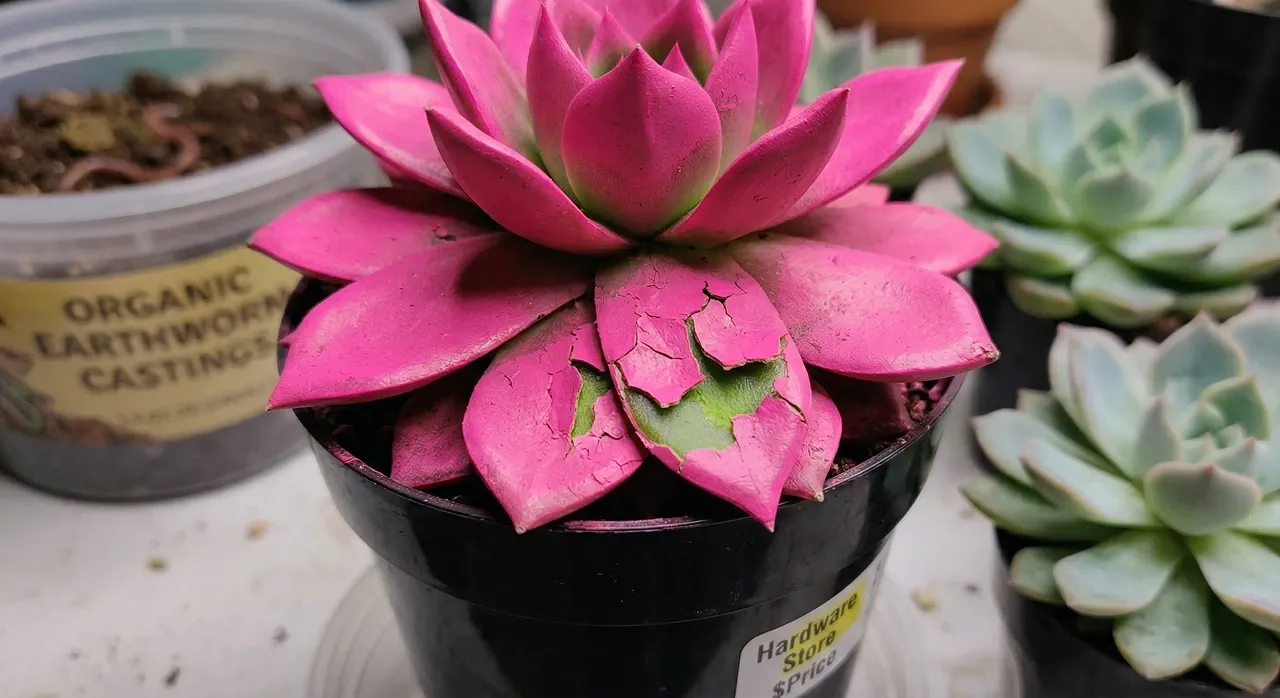
| “Painted” Succulents | Toxic | Hardware stores spray-paint them. The paint is poisonous. |
Desert Plants That Actually Survive The Heat
These plants are native to arid environments. They handle the intense heat, the bright UVB light, and low humidity perfectly.
Buy Elephant Bush For The Basking Zone
This is the single best plant for a bearded dragon enclosure. It looks like a miniature jade plant with reddish stems and small, round green leaves.
- Why it works: It thrives in dry soil right under the lights. It has thick, woody stems that hold up well when a heavy lizard climbs over it.
- Safety: 100% edible. It is packed with moisture and vitamin C, making it a great natural snack.
Plant A Ponytail Palm For A Sturdy Trunk
Despite the name, this is a succulent, not a true palm tree. It has long, stringy leaves and a massive, swollen trunk at the base.
- Why it works: That thick trunk acts as a physical barricade. A heavy adult dragon cannot trample or break it. They love to sleep against the woody base.
- Safety: The stringy leaves are completely safe if ingested and offer great visual cover.
Spineless Prickly Pear Cactus Is Great Food
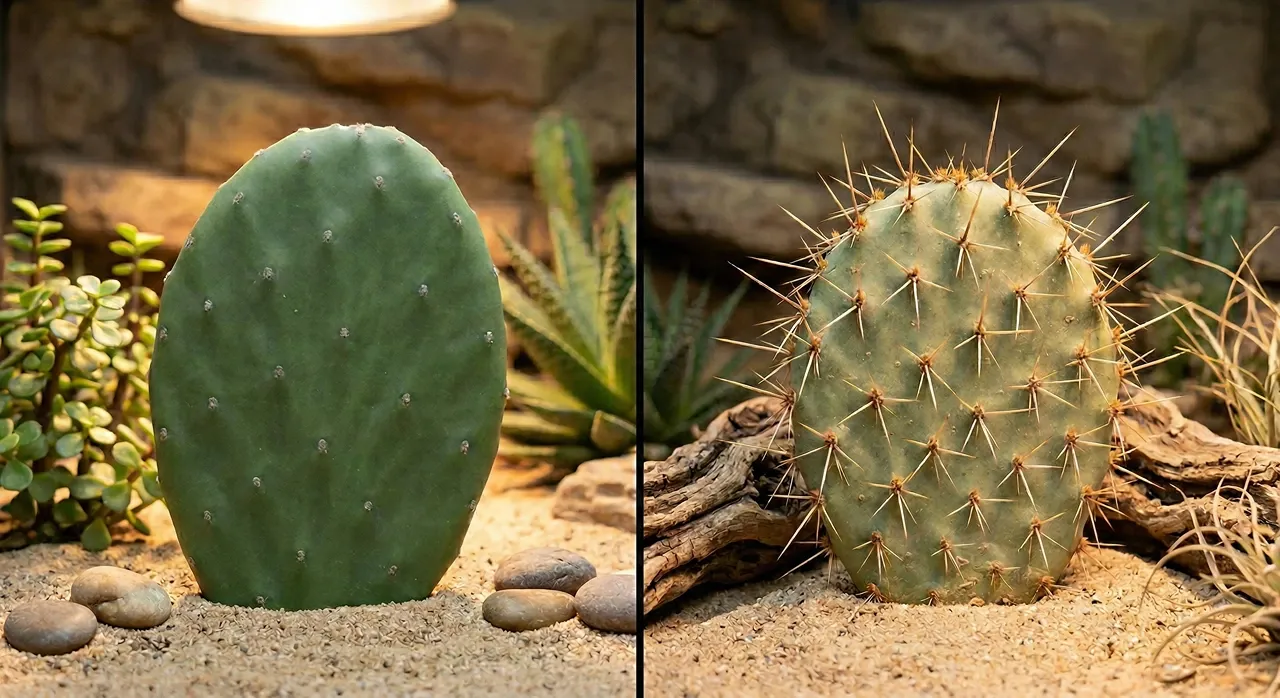
This cactus is a staple in the wild Australian outback. Make absolutely certain you buy the spineless variety (Opuntia ficus-indica) so your dragon does not get a face full of needles.
- Why it works: It is virtually indestructible. You can put it directly in the 105°F zone. Maintaining proper basking spot temperatures usually kills standard houseplants, but Opuntia loves the heat.
- Safety: Extremely high in calcium. The cactus pads are fantastic foraging food.
Watch Out For Watery Succulents Like Aloe
Aloe Vera and Haworthia look similar with their thick, spiked leaves, but Haworthia stays much smaller.
- Why it works: They love dry heat and have a tough outer skin that resists scratching.
- Safety: They are safe, but they hold a massive amount of water. If your dragon treats an Aloe plant like an all-you-can-eat buffet, it acts as a laxative and causes runny poop. Pull the plant out if they will not stop eating it.
Keep Edible Herbs Strictly On The Cool Side
You can plant standard grocery store herbs in the tank. They smell great, provide mental enrichment, and are already staples on the safe bearded dragon food list.
The catch is that herbs will immediately fry if you put them near the basking lamp. You must place these on the extreme cool side of the tank around 80°F.
The Best Safe Herbs
- Basil
- Cilantro
- Parsley
- Mint
Grow Wheatgrass For Cheap Grazing
If your dragon destroys plants too fast, stop buying expensive succulents. Buy a bag of organic wheatgrass seeds. Grow them in a shallow plastic Tupperware tray near a real window. Once the grass is four inches tall, drop the entire tray onto the cool side of the tank. It costs pennies, provides massive enrichment, and acts as a highly nutritious salad replacement.
Air Plants Eliminate Impaction Risks
Air plants (Tillandsia) are the ultimate hack for paranoid keepers. They do not require any soil to live. They pull moisture directly from the air.
Since they do not need a pot of dirt, there is zero risk of your dragon digging up and swallowing soil. You can simply wedge an air plant into a crack in a piece of cork bark or between two rocks on the cool side of the tank. They are completely safe to eat. To water them, just take them out of the tank once a week, soak them in a bowl of water for ten minutes, let them dry completely, and put them back.
Grow Safe Flowers For Foraging Treats
Beyond green leaves, you can grow safe flowering plants that mimic wild foraging habits. Bright colors instantly trigger a predatory feeding response in reptiles.
You can grow Nasturtiums or Hibiscus (specifically Hibiscus rosa-sinensis) in pots near a sunny window and drop the freshly bloomed flowers directly into the tank.
Never pull Dandelions or wild flowers from your front yard to feed your dragon. Even if you do not spray your own grass, the wind carries commercial weed-killer and pesticide drift from your neighbor’s lawn directly onto your weeds. If you want to feed Dandelions, buy the seeds online and grow them indoors in organic dirt.
Toxic Pet Store Plants You Need To Avoid
Just because a plant is sold in a pet store does not mean it is safe for your lizard. Stores frequently sell plants meant for dart frogs and crested geckos right next to the bearded dragon supplies.
Never Put These Houseplants In The Tank
- Pothos (Devil’s Ivy): Contains calcium oxalate crystals. Chewing the leaves causes severe burning in the throat and leads to kidney failure.
- Philodendron: Highly toxic for the same reasons as Pothos.
- Ficus: The white sap inside the stems is highly irritating to reptilian skin and eyes.
The Real Danger Of Fake Plastic Plants
Fake plants seem like an easy win if you want the green look without the watering. But they come with a massive risk. Clumsy dragons frequently miss the cricket they are lunging at and bite the decor instead. If your dragon swallows a fake plastic leaf, it creates a fast, deadly blockage in their gut. You will need to know the immediate signs of impaction and likely pay for emergency surgery. If you use fake plants, buy heavy, thick plastic ones that cannot be torn.
How To Clean Store Bought Plants
You cannot buy a plant from a hardware store or local nursery and drop it straight into your tank.
Commercial plants are drenched in systemic pesticides, leaf-shining chemicals, and toxic fertilizers like Miracle-Gro. If your dragon takes a bite of that, they are poisoned. You have to strip the plant down first.
Sanitize New Plants In Four Steps
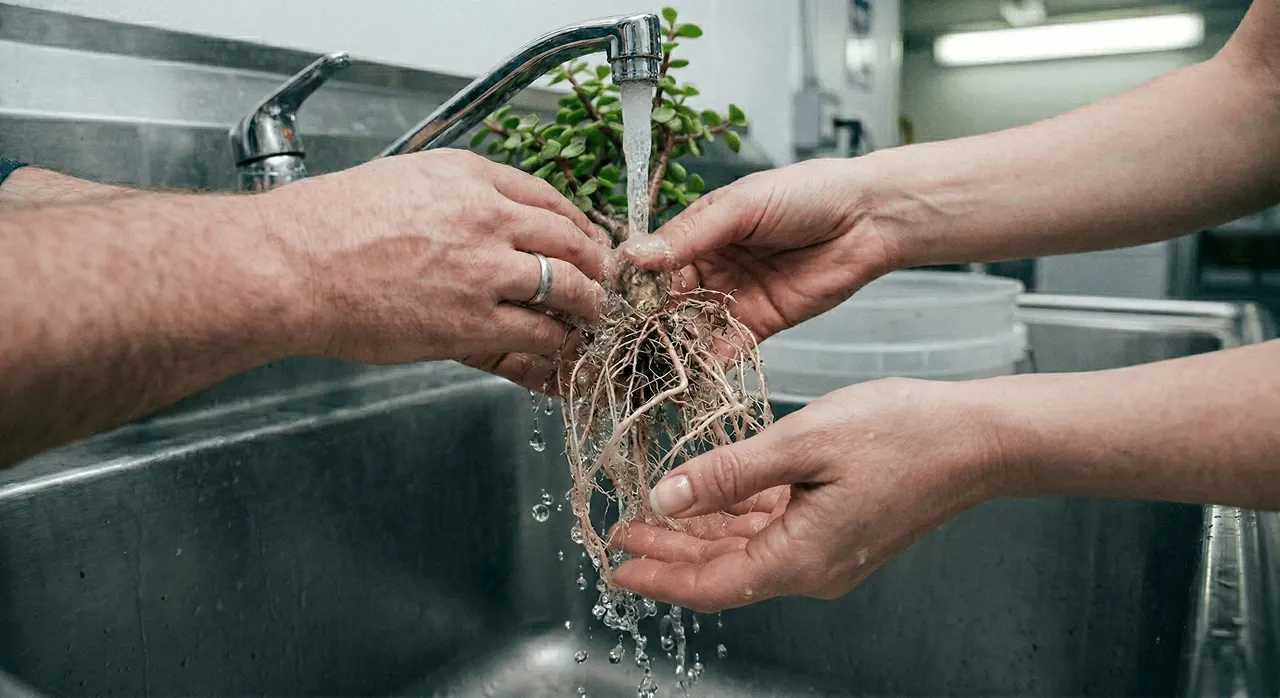
- Strip the Dirt: Take the plant outside and pull it out of its plastic pot. Aggressively shake off every grain of dirt from the roots. Rinse the bare roots under a hose until they are completely clean. Commercial soil is packed with toxic fertilizer pearls.
- Wash the Leaves: Wipe down every leaf and stem with water and a tiny drop of dish soap. This removes pesticide sprays and chemical leaf-shiners. Rinse it heavily.
- Repot with Safe Soil: Repot the plant using a 100% organic, fertilizer-free topsoil mix. Use the exact same dirt recipe recommended in our safe substrate guide.
- Wait Thirty Days: Keep the plant in a sunny window in your house for an entire month. Nurseries use systemic pesticides that the plant absorbs into its veins. You must wait a full month for the plant to flush those chemicals out naturally before your dragon can safely take a bite.
How To Feed Your Plants Without Poisoning Your Dragon
You stripped away the Miracle-Gro, washed the roots, and planted your succulent in plain organic dirt. Now the plant is starving.
You can never use chemical liquid plant food or synthetic fertilizer spikes. If the plant absorbs those chemicals into its leaves, your dragon eats them. To keep your Elephant Bush and herbs alive long-term, mix 100% organic earthworm castings directly into your topsoil. It looks exactly like black dirt, carries zero impaction risk, and feeds the root system naturally.
If you are running a fully bioactive enclosure, you do not need fertilizer at all. A cleanup crew of Porcellionides pruinosus (Powder Orange isopods) and arid springtails will break down your dragon’s waste and turn it into safe, natural plant food automatically.
How To Plant Without Causing A Respiratory Infection
Do not dump a cup of water into the tank to water your plants. Wet soil under a heat lamp acts like a humidifier. If the tank’s humidity stays above 50% for too long, your dragon will breathe in that wet air and develop a deadly respiratory infection.
Always take potted plants out of the tank to water them. Let them drain completely in your sink for an hour before putting them back inside.
Stop Your Dragon From Trampling The Plants
An adult male bearded dragon weighs between 450 and 550 grams. If you plant a fragile Basil sprout right in the middle of his walking path, he will snap the main stem in half by lunch.
You have to map out the tank. Look at the exact routes your dragon takes from the basking slate to the food bowl.
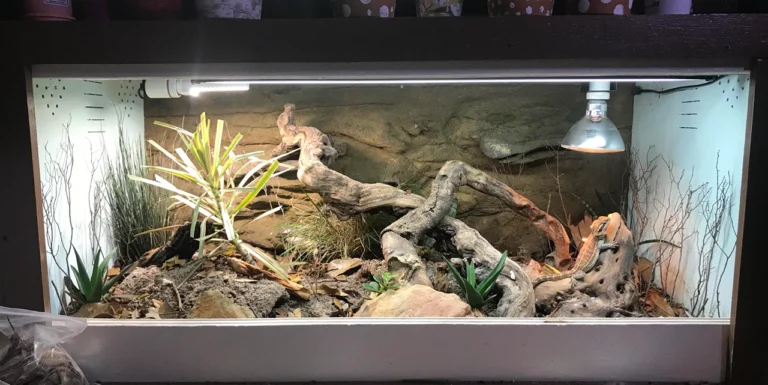
- The Heavy Lifters: Plant your heavy-duty succulents like the Ponytail Palm or Elephant Bush near the basking zone. Let the thick, woody stems act as physical climbing anchors.
- The Fragile Greens: Plant your soft herbs in the back corners of the 80°F cool side. Wedge them tightly between two heavy pieces of driftwood or cork bark. This creates a physical barricade, forcing the dragon to lean over the wood to nibble the leaves instead of walking directly over the root crown.
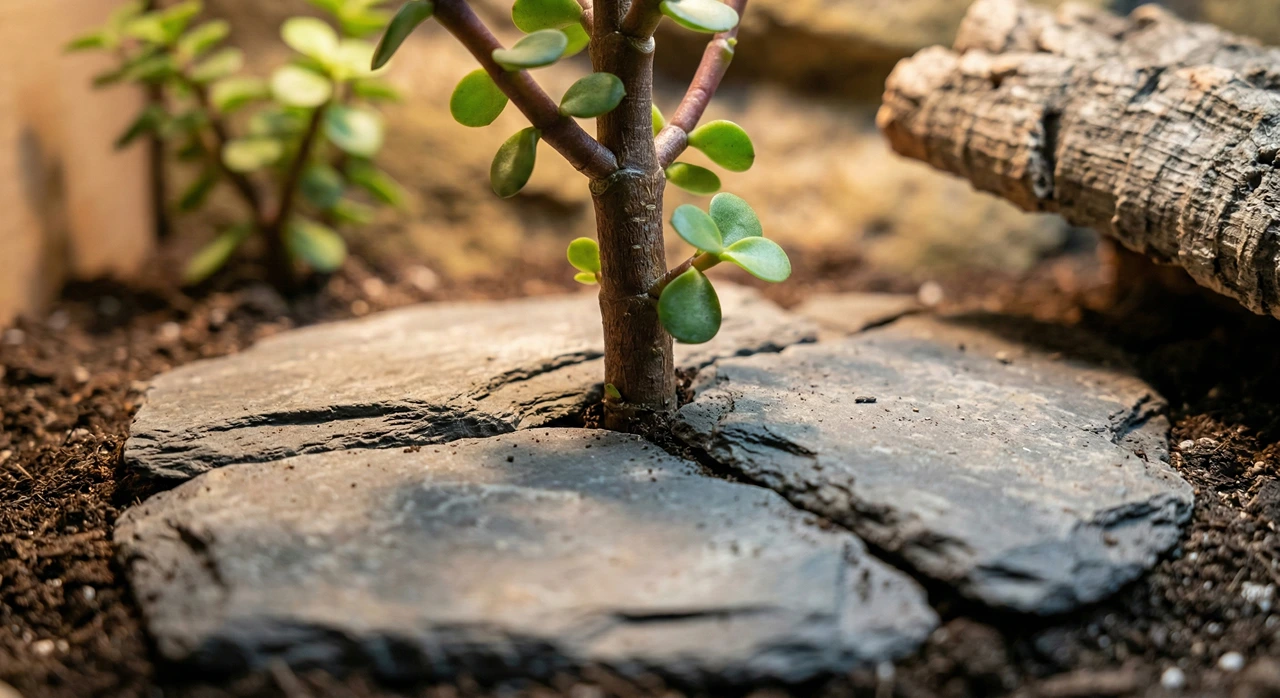
- The Soil Defense: Place large, flat pieces of slate rock or heavy river stones directly over the soil around the base of the stem. Water can still reach the roots, but your dragon’s claws cannot dig up the dirt.
Frequently Asked Questions
My dragon ate a piece of a fake plastic plant. What do I do?
Watch them closely. If it was a tiny piece, a healthy adult dragon might pass it. Keep their basking temperatures high and offer a few drops of olive oil on their snout to lubricate the digestive tract. If they stop pooping for more than 48 hours, start dragging their back legs, or vomit, you need an exotic vet immediately. The plastic is stuck.
Can I use the painted succulents from the hardware store?
Absolutely not. Those plants are sprayed with thick, toxic paint to make them look pink, blue, or purple. If your dragon bites that paint, they ingest heavy chemicals. Only buy natural, green, unpainted succulents.
Can I use standard potting soil if I cover it up?
No. Standard potting soils contain perlite (the little white balls) and chemical fertilizers. Dragons will inevitably find a way to dig into the pot. Perlite causes severe impaction, and the fertilizer is toxic. You must repot the plant in plain, organic topsoil.
Your Pre Planting Checklist
Before you put any greenery into your dragon’s home, check these boxes.
- Confirm the exact species of the plant and verify it is completely edible.
- Wash the leaves and rinse the roots bare to remove all chemical fertilizers.
- Repot the plant in 100% organic topsoil with zero perlite or additives.
- Wait 30 days while the plant sits in your house to flush out systemic pesticides.
- Cover the exposed soil with heavy stones so your dragon cannot eat the dirt.
Once your plants are prepped and safe, you need to arrange the rest of the climbing branches and basking rocks to match. Finding safe wood and rocks for bearded dragons is the exact same process of stripping away wild pests and toxic sap before putting them in the tank.
Written by
Sarah ArdleySarah has kept bearded dragons for over ten years. She founded Beardie Husbandry after discovering that most mainstream care advice — including what she followed with her first dragon — was doing more harm than good. Every article on this site is grounded in veterinary research and real keeper experience.