How to Gut Load Feeder Insects for a Bearded Dragon
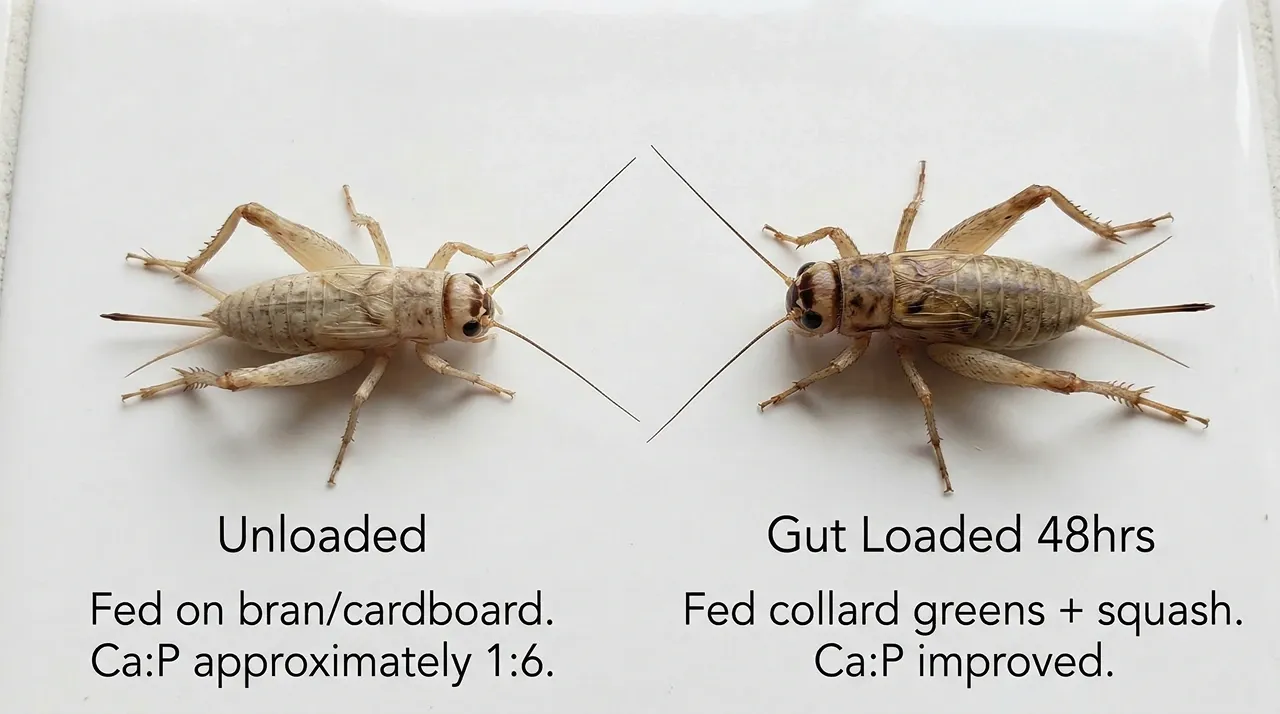
A cricket that has been sitting in a pet store box for three days eating cardboard and stale bran has almost no nutritional value by the time it reaches your dragon. The protein is there. The calcium is not. Gut loading feeder insects in the 24 to 72 hours before feeding is what closes that gap, and it is the step no supplement powder can replace on its own.
Plenty of keepers dust religiously and still see early signs of calcium deficiency in their dragons. The reason almost always traces back to what the insects themselves are carrying inside their guts when they get eaten.
What Gut Loading Feeder Insects Actually Does
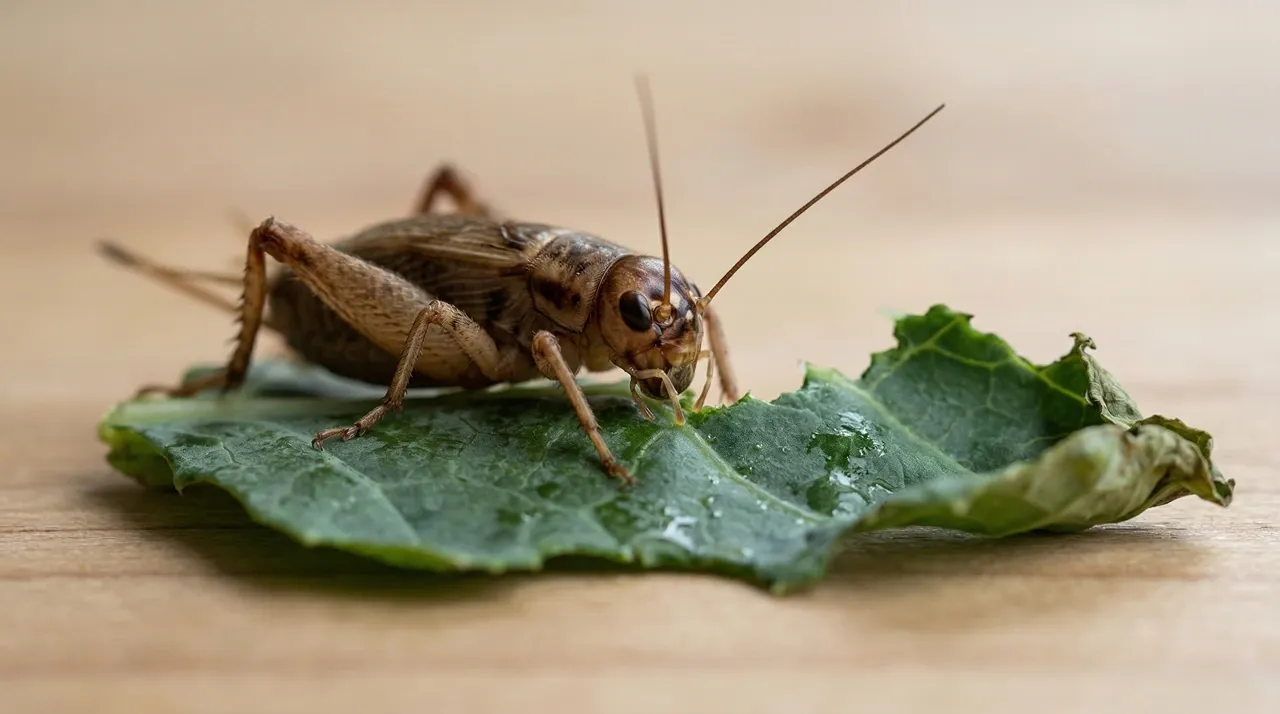
Insects do not store nutrients in their bodies the way vertebrates do. Their nutritional value at any given moment is almost entirely determined by what is currently in their digestive tract. Feed a cricket collard greens and butternut squash for 48 hours and it becomes a meaningful source of calcium, beta-carotene, and hydration.
Feed it nothing, or feed it the empty grain substrate most pet stores use to keep insects alive during transit, and it delivers almost none of those things at the point of feeding.
The core problem gut loading fixes is the calcium to phosphorus ratio. Research on commercially available feeder insect species consistently shows that crickets, mealworms, and superworms are poor sources of calcium with inverse Ca:P ratios. Phosphorus at those levels actively blocks calcium absorption.
A dragon eating unloaded crickets every day is not just getting less calcium than you think. The high phosphorus content is working against whatever calcium they are getting from supplements, and metabolic bone disease in captive dragons almost always has this pattern somewhere in its history.
Why Pet Store Insects Are Nearly Empty on Arrival
Pet store crickets and dubias go through several stages of handling before reaching the shelf. They are bred in bulk, packed for transport, and kept in holding containers for days before purchase. During that entire period they are typically fed low-cost grain substrate that keeps them alive but does nothing for their nutritional content.
By the time you bring them home, their guts have largely cleared. The insects are sold as feeders, not as finished nutritional products, and the gut loading step belongs in your hands rather than the supplier’s.
Buying pre-gut-loaded insects is not a reliable shortcut. You have no way of knowing when they were loaded, what they were loaded with, or how long ago their guts cleared in transit.
The Best Foods for Gut Loading Any Feeder
The goal is to raise the calcium content of the insect’s gut while adding vitamins that work alongside your dragon’s regular calcium and vitamin dusting routine. These foods reliably improve the nutritional profile of any feeder insect:
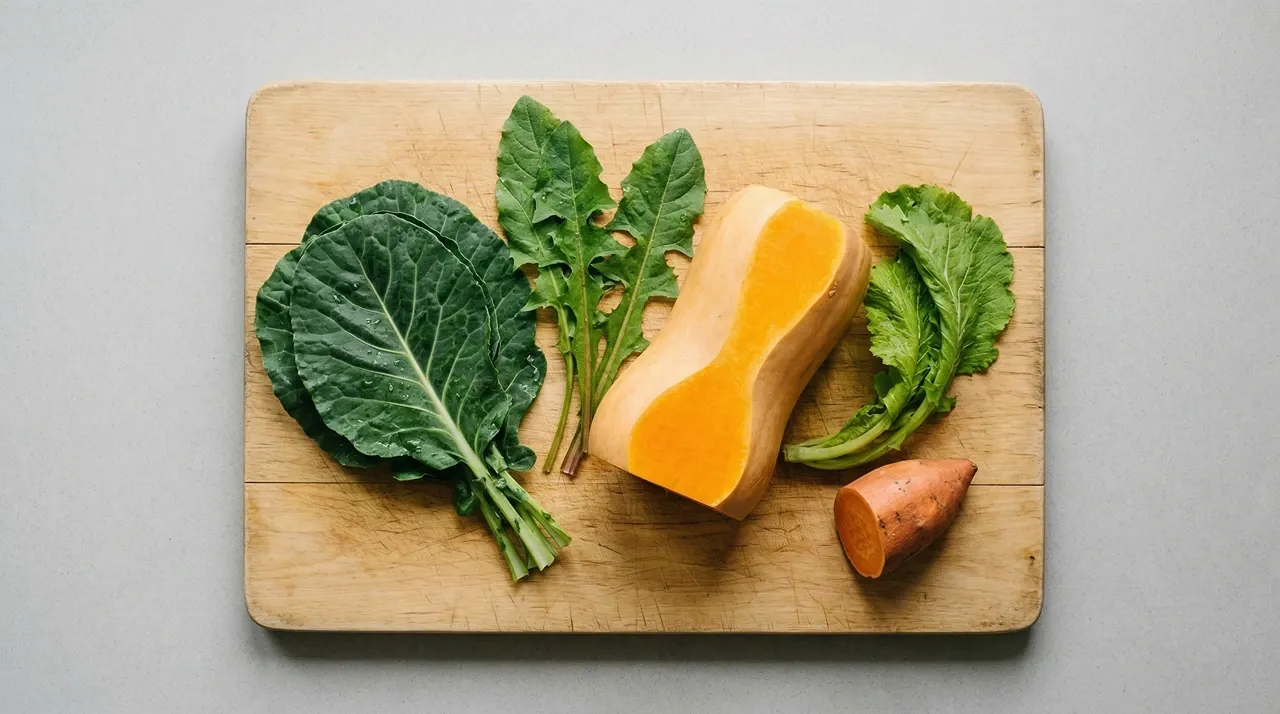
- Collard greens. High calcium, low oxalates. The single best gut load green for raising the Ca:P ratio.
- Mustard greens. Strong calcium content and a good hydration source for the insects.
- Butternut squash. Good beta-carotene source, palatable to most insects, provides moisture.
- Dandelion greens. Excellent calcium, readily eaten by crickets and dubias.
- Sweet potato. Vitamin A precursor, eaten readily, and a particularly good loading food for dubias.
- Endive and escarole. Underused but high in calcium and accepted by most feeder species.
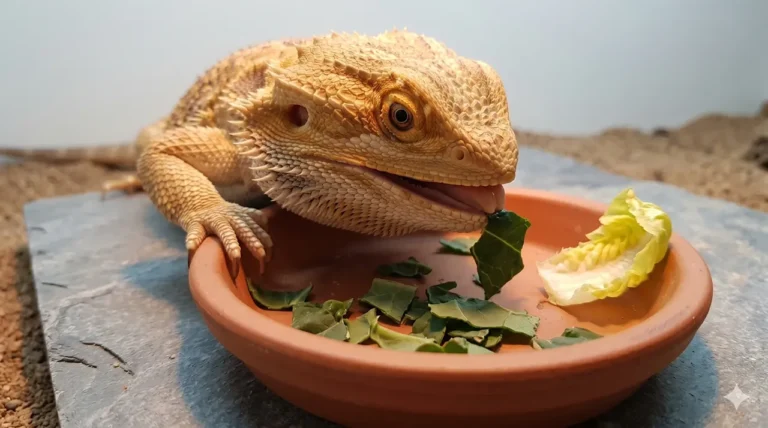
Variety matters more than quantity. Rotating three or four of these across loading sessions produces a broader nutrient profile than feeding the same green every time. Whatever you are already slicing for your dragon’s salad bowl can go straight into the gut load tub, and the Ca:P ratios for each vegetable apply equally when those vegetables pass through a feeder insect first.
Foods That Actively Hurt Your Gut Load
Some foods are fine for your dragon but counterproductive in a gut load because they move the insect’s Ca:P ratio in the wrong direction or carry compounds that interfere with calcium absorption.
- Spinach. High oxalate content binds calcium and blocks absorption. Avoid entirely in gut loads.
- Kale and bok choy. Goitrogens present in quantity. Occasional use is fine but not as a gut load staple.
- Iceberg lettuce. Almost no nutritional value. Provides hydration but nothing else worth the container space.
- Citrus fruits. Useful for keeping a dubia breeding colony hydrated, but not suitable for insects being fed to your dragon.
- Cat or dog food. Sometimes recommended in older guides. The phosphorus content is high and the protein-to-fat ratio is wrong for reptile feeders.
How Long to Gut Load Feeder Insects
Different insect species process food at very different rates. Feeding an insect to your dragon after the gut has already cleared defeats the purpose entirely, so timing the loading window matters as much as the food itself.
| Feeder Insect | Minimum Load Time | Maximum Useful Window | Notes |
|---|---|---|---|
| Crickets | 24 hours | 48 hours | Fast digesters. Load the day before feeding, not two days before. |
| Dubia roaches | 48 hours | 72 hours | Slower digesters. Hold a gut load longer. Load two to three days before feeding. |
| Superworms | 24 hours | 48 hours | Similar rate to crickets. Use the same day-before protocol. |
| Mealworms | 24 hours | 48 hours | Worth loading but offer as occasional treats only. 48 hours produces the best Ca:P improvement. |
| Black soldier fly larvae | No loading needed | N/A | Naturally high calcium. Feed straight from the container. |
| Hornworms | 24 hours | 48 hours | Primarily a hydration feeder. Load anyway for whatever extra value you can get. |
The cricket timing catches new keepers out regularly. If you buy crickets on a Saturday planning to feed on Sunday, load them the moment you get home on Saturday. Loading at 9am and feeding at noon gives you three hours, which is far short of the 24 hours needed for nutrients to reach meaningful levels in the gut.
Why Dusting Cannot Replace Gut Loading
These two steps get treated as alternatives all the time. They are not. They work through completely different mechanisms and neither one replaces the other in a complete feeding protocol.
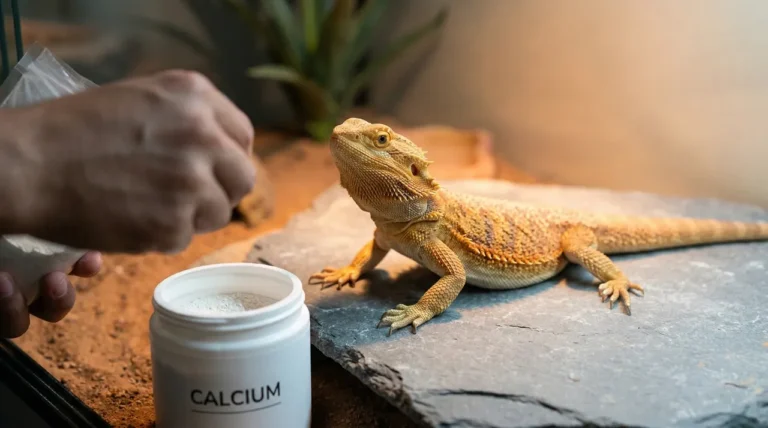
Dusting puts a coating of calcium or vitamin powder on the outside of the insect. Your dragon licks or bites it off as they eat. The absorption rate from dusting is reasonable but inconsistent. Active insects shake powder off, and any insect that has been sitting in the feeding dish for more than a few minutes has lost most of its dusted coating. Dusting also has no effect on the Ca:P ratio inside the insect itself.
Gut loading changes the nutritional content of the insect from the inside. The nutrients are present in the digestive tract when your dragon consumes the whole insect, absorbed alongside the insect’s own protein rather than licked off a surface. A complete feeding protocol uses both. Gut loading without dusting leaves gaps. Dusting without gut loading leaves bigger ones.
How to Set Up a Gut Loading Container
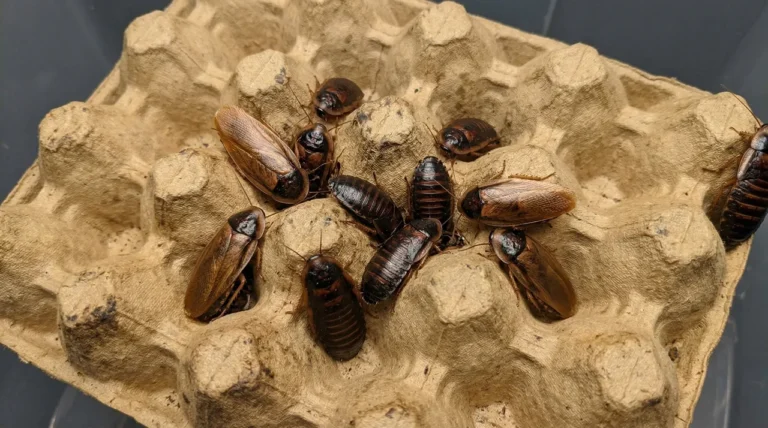
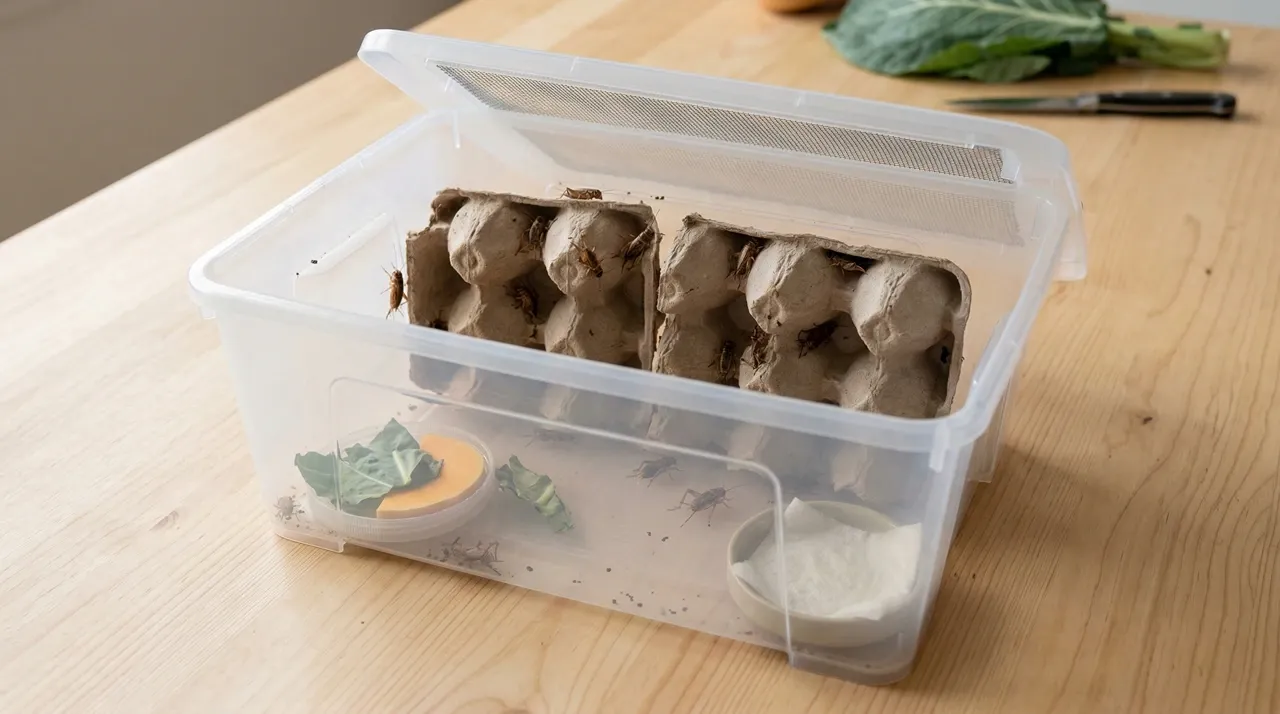
A clean, ventilated plastic tub with a loose-fitting lid is all you need to gut load feeder insects at home. Egg carton pieces give insects somewhere to hide and reduce stress. A stressed cricket hiding in a corner and refusing to eat is not gut loading effectively no matter what you put in the tub, so keeping the container warm above 70°F and not overcrowded matters as much as the food.
Keep the food fresh. Cut greens and vegetables begin to dry out and mould within 24 hours at room temperature, particularly in a warm cricket tub. Check the container daily and replace wilting or mouldy food.
Remove dead insects promptly too. A dead cricket in a warm tub creates bacterial problems that spread quickly to the live feeders around it.
Hydration needs to be handled separately from food. Crickets drown easily in open water. Use a shallow dish with a crumpled paper towel soaked in water, or commercial water gel crystals. A well-hydrated feeder also passes that moisture on to your dragon, which helps when you are trying to keep fluids up between soak days.
Should You Gut Load Insects from Your Dubia Colony
If you run a home dubia breeding colony, the answer depends on what your breeders eat day to day. A colony fed on varied greens and squash carries a reasonable nutritional load most of the time. The problem is that a breeding colony’s diet is optimised for reproductive output and colony health, not for the specific Ca:P ratio your dragon needs at each feed.
The cleanest approach is to pull your planned feeding batch two to three days ahead and move those dubias into a dedicated loading container with fresh collard greens and butternut squash. It keeps the colony management separate from your feeding protocol and means you are always delivering the same nutritional standard at the bowl, regardless of what the main bin has been eating that week.
Frequently Asked Questions
Can You Use Commercial Gut Load Products Instead
Yes, and products like Repashy Superload are well-formulated for this purpose. Commercial gut loads work well as part of a mixed loading diet alongside fresh vegetables. Using a commercial product alone is acceptable, but rotating in fresh greens produces a broader nutritional profile than any single product can deliver.
How Do You Gut Load Just a Few Insects at a Time
A small container with a piece of damp paper towel, some collard green leaves, and a slice of squash is all you need for a handful of insects. The minimum effective gut load is 24 hours with food available the entire time, no matter how few insects you are loading.
Do Mealworms Need Gut Loading
Yes, though mealworms should be an occasional treat rather than a staple feeder, so the loading investment is proportionally smaller. Their chitin-to-nutrition ratio makes them a poor staple regardless of loading quality. Load them the same way as crickets, 24 hours on fresh greens, and offer them sparingly alongside better staple feeders.
Can You Gut Load with the Same Greens You Feed Your Dragon
Yes, and this is the most practical approach for most keepers. Whatever dark leafy greens and vegetables you are already preparing for your dragon’s salad bowl can go straight into the gut load container. Collard greens, mustard greens, dandelion greens, and butternut squash all work for both.
Is Gut Loading Still Necessary if You Dust Every Feed
Yes. Dusting coats the outside of the insect and is easily shaken off before your dragon eats it. Gut loading changes the nutritional content inside the insect, which no amount of external dusting can replicate. A dragon fed well-dusted but unloaded insects is still consuming a poor Ca:P ratio from the insect body itself.
Your Gut Loading Routine in Practice
- ✅ Pull feeders the day before, not the morning of. Crickets need 24 hours minimum. Dubias need 48.
- ✅ Set up a ventilated loading container with egg carton hides, fresh gut load food, and a damp paper towel. Keep it above 70°F.
- ✅ Use collard greens as your default base. Rotate in mustard greens, dandelion greens, butternut squash, and sweet potato. Skip spinach.
- ✅ Dust immediately before feeding, not before insects go into the gut load tub.
- ✅ Black soldier fly larvae need no loading. Feed them straight from the container.
- ✅ Replace food daily. Wilting greens in a warm tub grow mould fast.
- ✅ If you run a dubia colony, pull your feeding batch two to three days ahead into a dedicated tub.
Written by
Sarah ArdleySarah has kept bearded dragons for over ten years. She founded Beardie Husbandry after discovering that most mainstream care advice — including what she followed with her first dragon — was doing more harm than good. Every article on this site is grounded in veterinary research and real keeper experience.