Why Bearded Dragons Refuse to Hide and How to Fix It
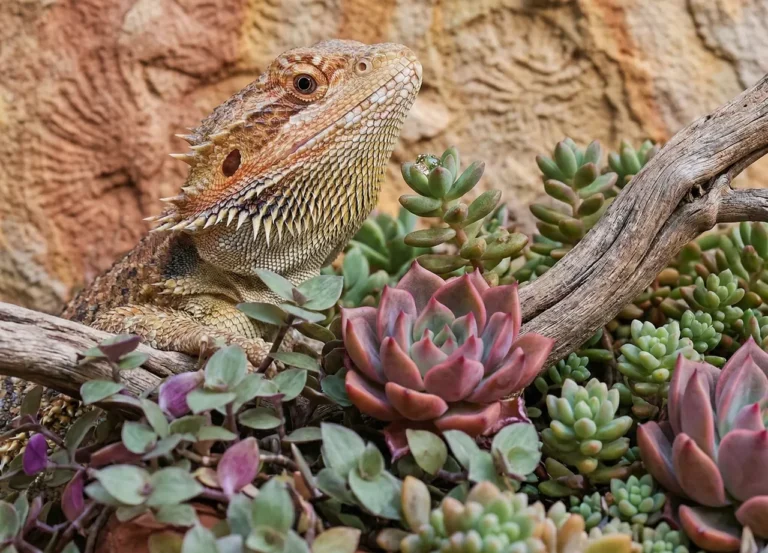
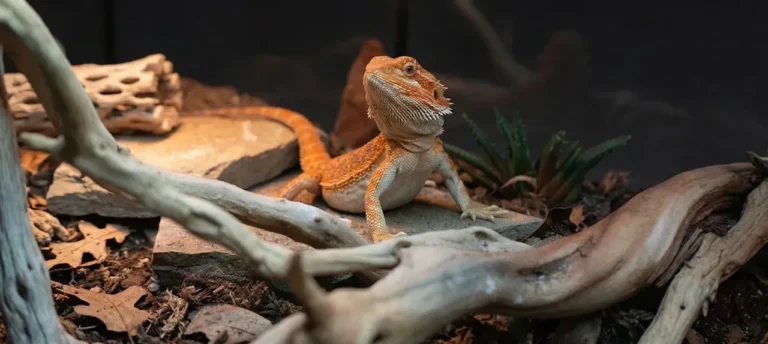
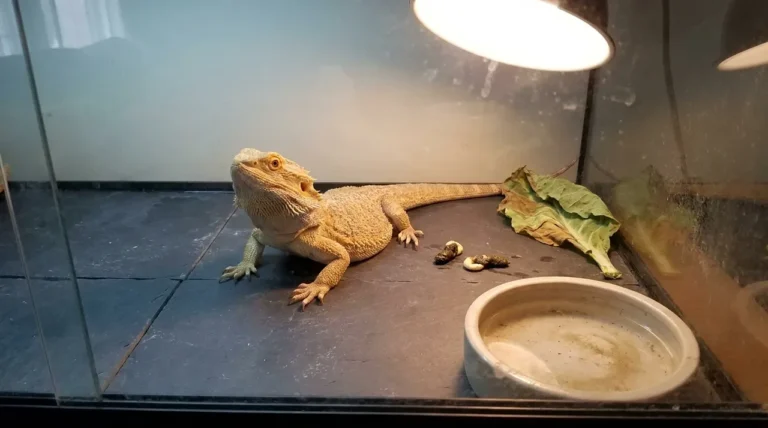
A bearded dragon that basks in the open all day and never sets foot in its hide worries a lot of new keepers. You bought the cave, tucked it into the corner, and it sits there empty while your dragon sprawls flat under the lamp. In most cases a bearded dragon that won’t use its hide is doing exactly what its biology tells it to do. These lizards are open baskers, not burrowers, so an ignored hide is rarely the warning sign it feels like.
There is one situation that does matter, though. A dragon that clearly wants cover but refuses the hide you gave it is telling you something is off with the setup.
When Skipping the Hide Is Normal
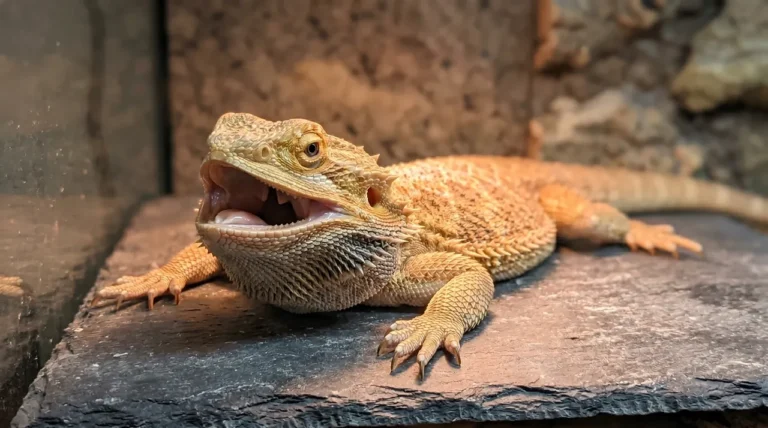
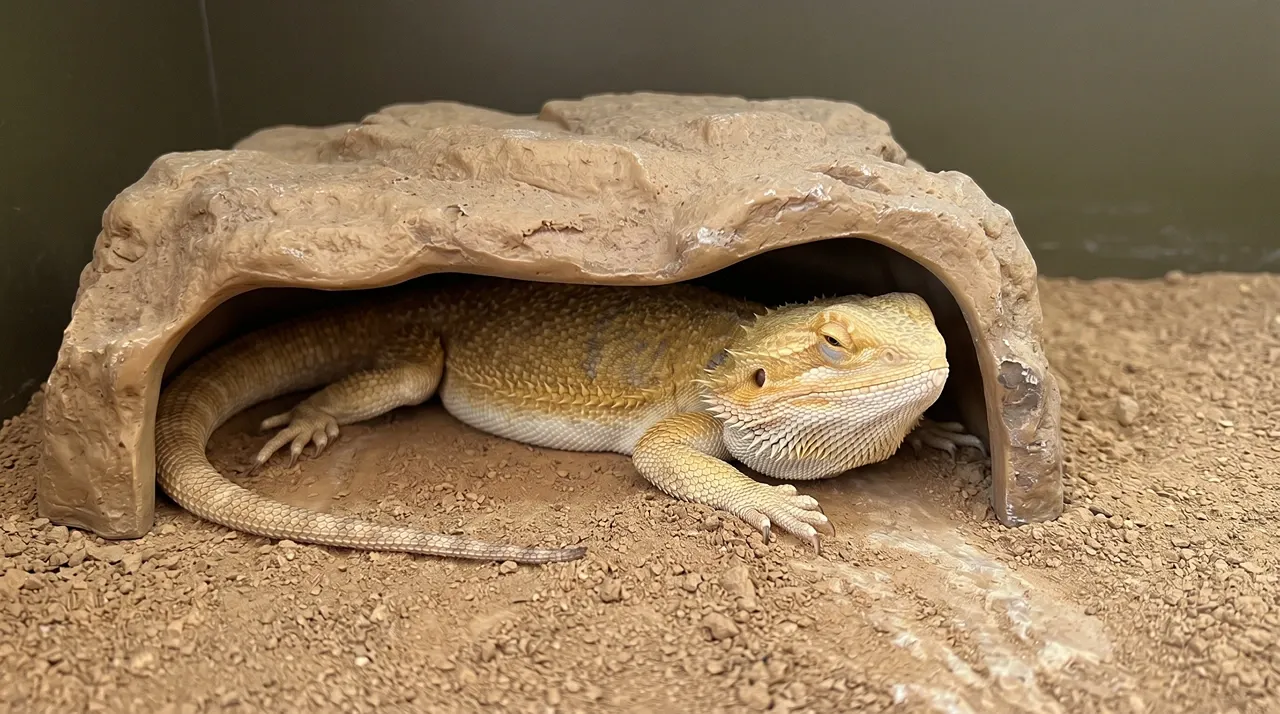
Plenty of healthy dragons treat their hide like furniture they never sit on. A dragon that ignores its hide while basking happily and eating well is usually just being a bearded dragon.
They spend the day out in the open, soaking up heat and light, then sleep wherever they happened to flop. That is not a problem to solve.
They Bask in the Open by Nature
Bearded dragons come from the dry woodlands and scrub of inland Australia, where they sit out on rocks and branches to thermoregulate. Cover is for escaping predators or extreme heat, not for daily lounging.
So a dragon parked under its lamp instead of buried in a cave is following instinct. A correctly set basking spot temperature actually pulls them into the open, which is where you want them for UVB exposure anyway.
Some Beardies Are Just Bold
Personality varies more than most beginners expect. Some dragons are confident from day one and never bother with cover. Others are naturally cautious and use a hide for the first few weeks in a new home.
A confident dragon ignoring its hide is a good sign. It feels safe enough in the open that it sees no reason to tuck away.
The Hide Itself Might Be the Problem
If your dragon seems to want somewhere to retreat but keeps snubbing the hide, the hide is usually the thing at fault. Three setup mistakes cause most of this.
Your Hide Is Too Big or Too Small
A hide that swallows your dragon in empty space feels exposed, not safe. One that is too cramped to enter gets ignored for obvious reasons.
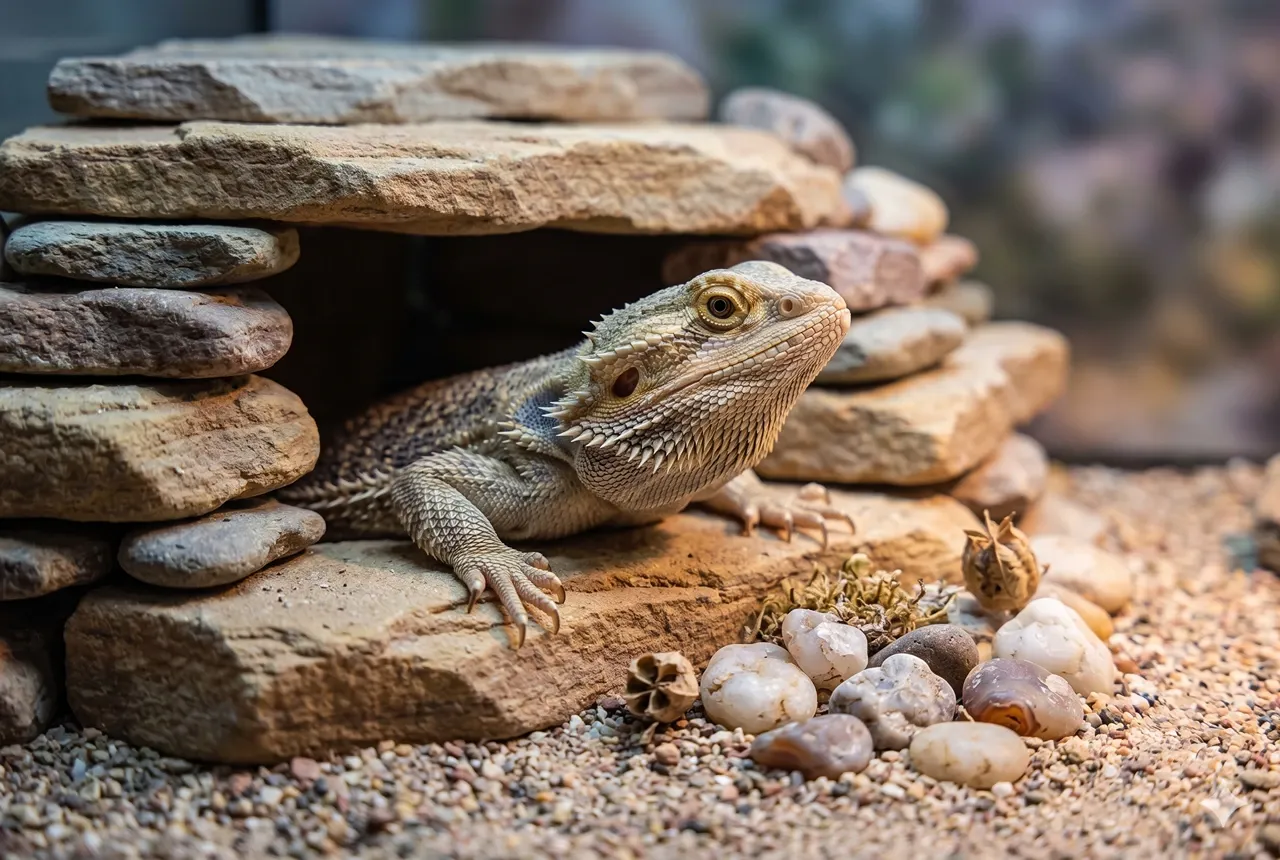
The interior should let the dragon walk in, turn around, and rest with its back lightly brushing the roof. Snug but not crushing is the target.
It Sits on the Wrong Side
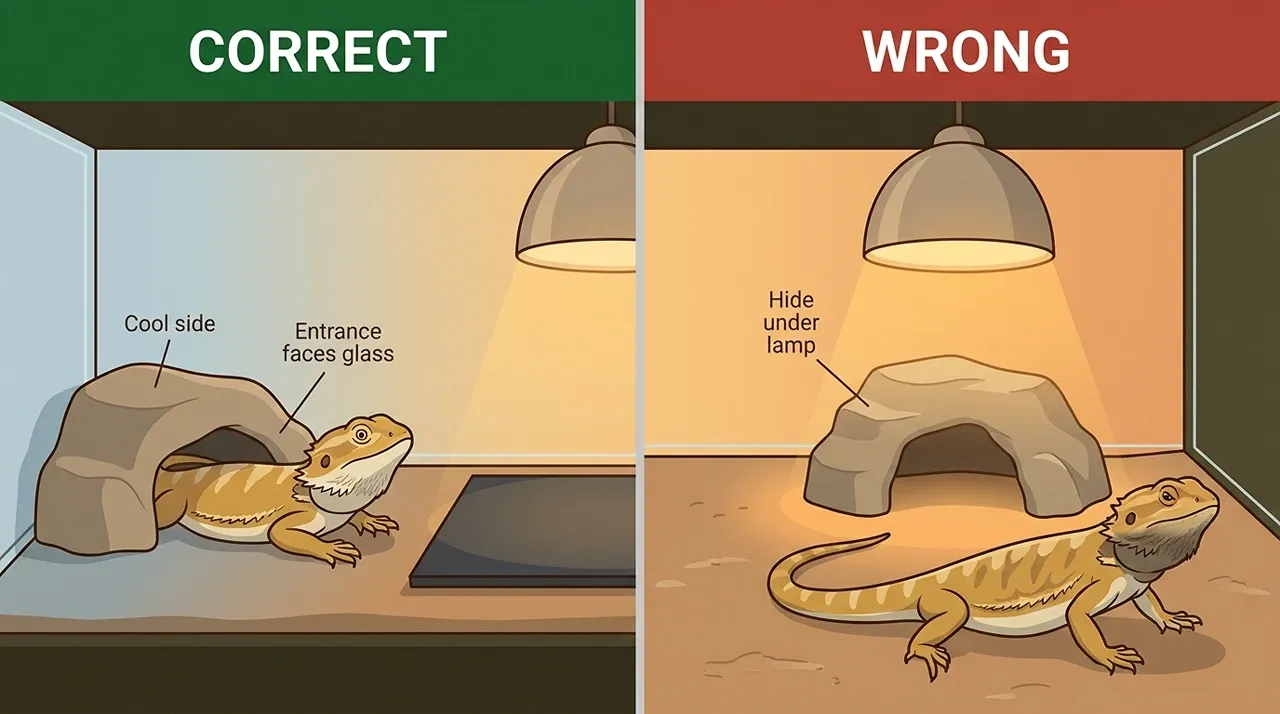
Park the hide directly under the basking lamp and it becomes an oven your dragon will avoid. Reptiles use cover to cool down and feel secure, so the heat end is the worst place for it.
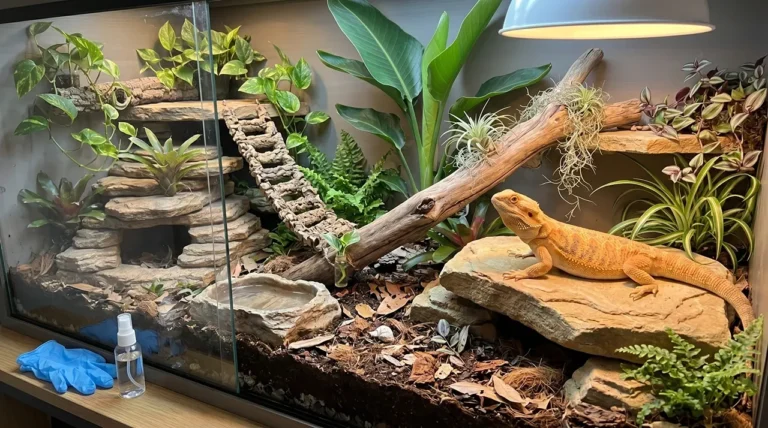
Put the main hide on the cool side, where the interior stays comfortable for resting. A second hide on the warm side is a nice extra, but the cool-side one does the real work.
It Feels Too Open to Settle In
A plastic cave with a wide doorway facing into the room offers very little psychological cover. Dragons settle better when the entrance faces a wall and the sides feel enclosed.
Angle the opening toward the back glass, bank some safe vivarium decorations around it, and the same hide your dragon ignored last week suddenly gets used.
When Your Beardie Wants Cover But Won’t Hide
This is the case that actually needs attention. The dragon is showing it wants to get away from something, yet it rejects the hide and copes in worse ways instead.
Watch for a dragon sleeping jammed into a bare corner, frantic glass surfing followed by collapse, or persistent dark stress marks on the belly and chin. Those say the enclosure feels unsafe and the current hide is not fixing it.
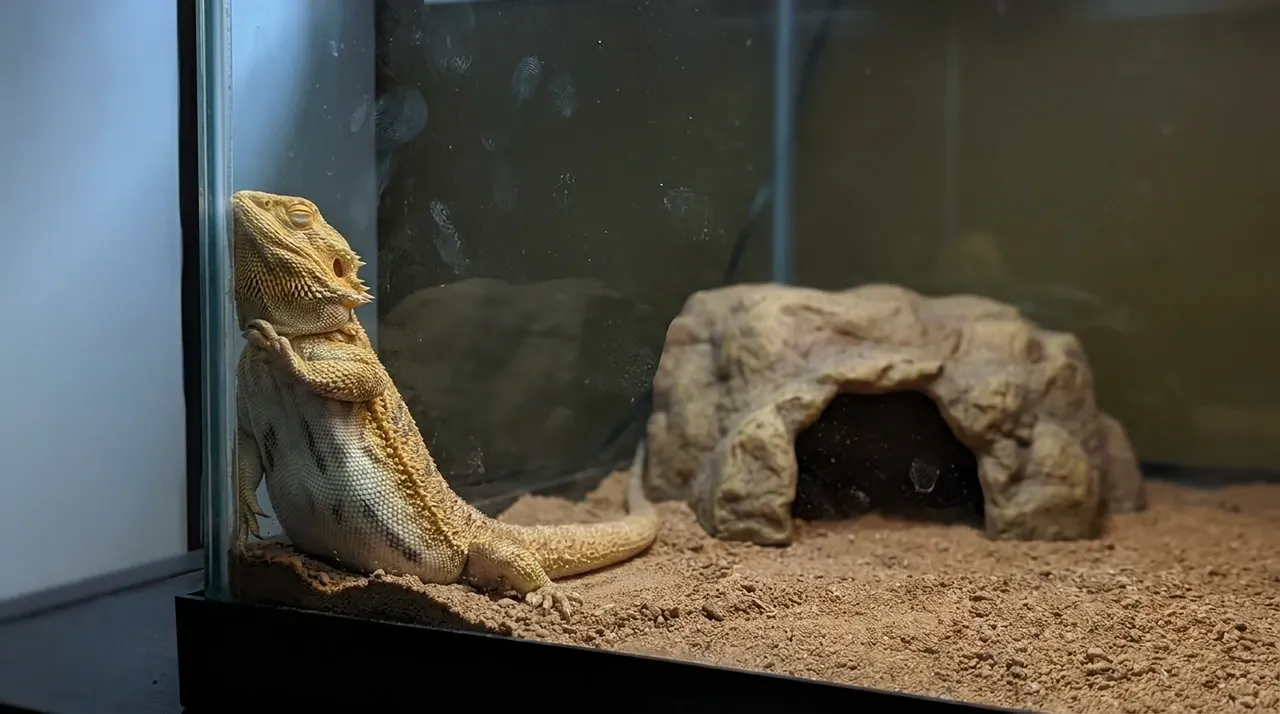
The usual trigger is too much visible activity outside the glass. Cats, dogs, a busy room, or a TV in eyeline all keep a dragon on edge.
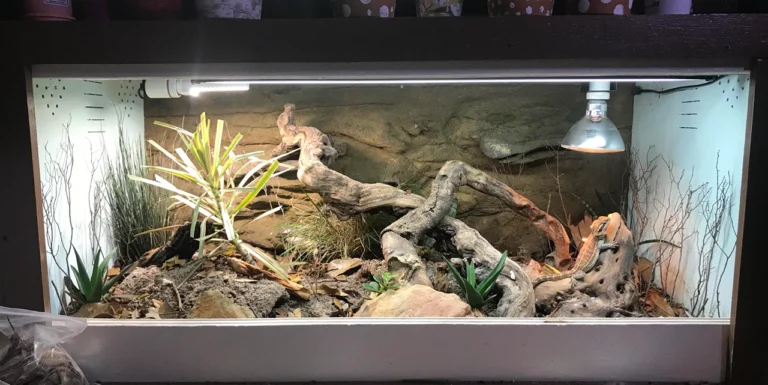
Cover three sides of the tank with background film or card, leaving only the front open. Reducing what the dragon can see outside does more for a nervous beardie than any single piece of decor. For a skittish new dragon, give it a week of low-traffic quiet before expecting it to relax.
How to Get Your Dragon Using Its Hide
If your bearded dragon won’t use its hide and you genuinely want it to, work through these in order. Most dragons respond to the first two or three.
- Move the main hide to the cool end, away from direct lamp heat.
- Swap to a hide sized so your dragon fits snugly with light roof contact.
- Turn the entrance toward the back or side glass, not the open room.
- Bank cork bark, rock, or sturdy decor around it to enclose the sides.
- Cover three sides of the enclosure to cut outside stress.
- Give it two weeks before judging. Dragons adopt new cover slowly.
Notice what you are not doing here. You are not forcing or placing the dragon inside, which only teaches it that the hide is where scary handling happens.
Read the Behaviour Before You Act
The right fix depends entirely on what you are seeing. This table maps the common patterns to what they usually mean and the move that matches.
| What you are seeing | What it usually means | What to do |
|---|---|---|
| Basks in the open all day, eats well, alert | Normal open-basker behaviour | Nothing. Leave the hide available and relax |
| Sleeps pressed into a bare corner, not the hide | Hide feels unsafe or sits in the wrong spot | Move to cool side, enclose the sides, face entrance to glass |
| Glass surfing, then ignores the hide | Stress from reflection or activity outside | Cover three sides of the tank |
| Digging near the hide but not entering | Wants a tighter retreat or nearing brumation | Offer a snugger hide and check the season |
| Hides constantly and skips basking | Possible illness or incorrect temperatures | Check temps first, then see a vet |
That last row is the one to take seriously, and it is the opposite of the problem most readers arrive with.
Digging Instead of Hiding Has Its Own Meaning
A dragon scratching at the substrate near its hide is often hunting for a tighter, cooler retreat than the one you provided. In autumn it can also signal the brumation slowdown starting, when dragons seek a dark spot to settle for weeks.
Offer a deeper or more enclosed hide and watch whether the digging settles. If it does, the original hide simply was not snug enough.
When to Actually Call a Reptile Vet
Refusing a hide on its own is not a medical issue. The picture changes when avoidance pairs with signs of genuine illness.
A dragon that has flipped from normal to refusing to bask while staying tucked away is the combination that warrants a check. Rule out the simple causes first by confirming your basking and cool-side temperatures are correct, since chronic heat or cold drives odd retreat behaviour.
When the symptoms above are present, book a reptile-experienced vet rather than waiting it out.
Frequently Asked Questions
Is it bad if my bearded dragon never uses its hide
No, in most cases it is completely normal. Bearded dragons are open baskers that often ignore cover entirely. As long as your dragon eats, basks, and acts alert, an unused hide is nothing to worry about.
Do bearded dragons even need a hide
Yes, keep one available even if it goes unused. Dragons need the option of cover for shedding, brumation, or stressful events. A hide that sits empty for months still earns its place the day your dragon needs it.
Where should I put my bearded dragon’s hide
Place the main hide on the cool side of the tank, away from the basking lamp. The cool end keeps the interior comfortable for resting, which is when most dragons actually use cover.
Why does my bearded dragon sleep in the corner instead of the hide
It usually means the hide feels too exposed or sits in the wrong spot. Move it to the cool side, face the entrance toward the glass, and enclose the sides so it feels secure.
Should I put my bearded dragon in its hide myself
No, never force it inside. Placing the dragon in the hide links that space to stressful handling and makes avoidance worse. Fix the setup and let the dragon choose to use it.
Your Hide Fix in Five Steps
Run through this today before assuming anything is wrong with your dragon.
- Decide which dragon you have. Calm and basking in the open needs no fix. Stressed and rejecting cover does.
- Move the main hide to the cool side, out of the lamp’s heat.
- Check the fit. Snug with light roof contact, never cavernous or cramped.
- Face the entrance to the back glass and enclose the sides with safe decor.
- Cover three sides of the tank, then give it two weeks before judging the result.
Most of the time a bearded dragon that won’t use its hide is a confident, healthy animal doing what comes naturally. Fix the setup only when your dragon is asking for cover and not getting it.
Written by
Sarah ArdleySarah has kept bearded dragons for over ten years. She founded Beardie Husbandry after discovering that most mainstream care advice — including what she followed with her first dragon — was doing more harm than good. Every article on this site is grounded in veterinary research and real keeper experience.