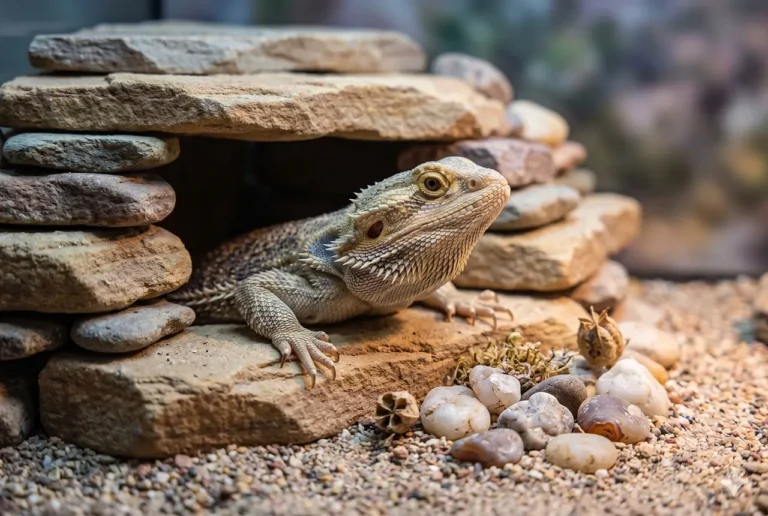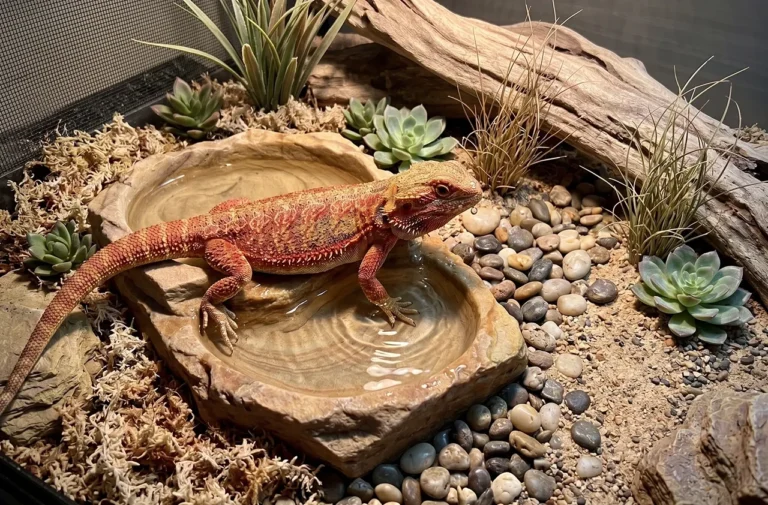
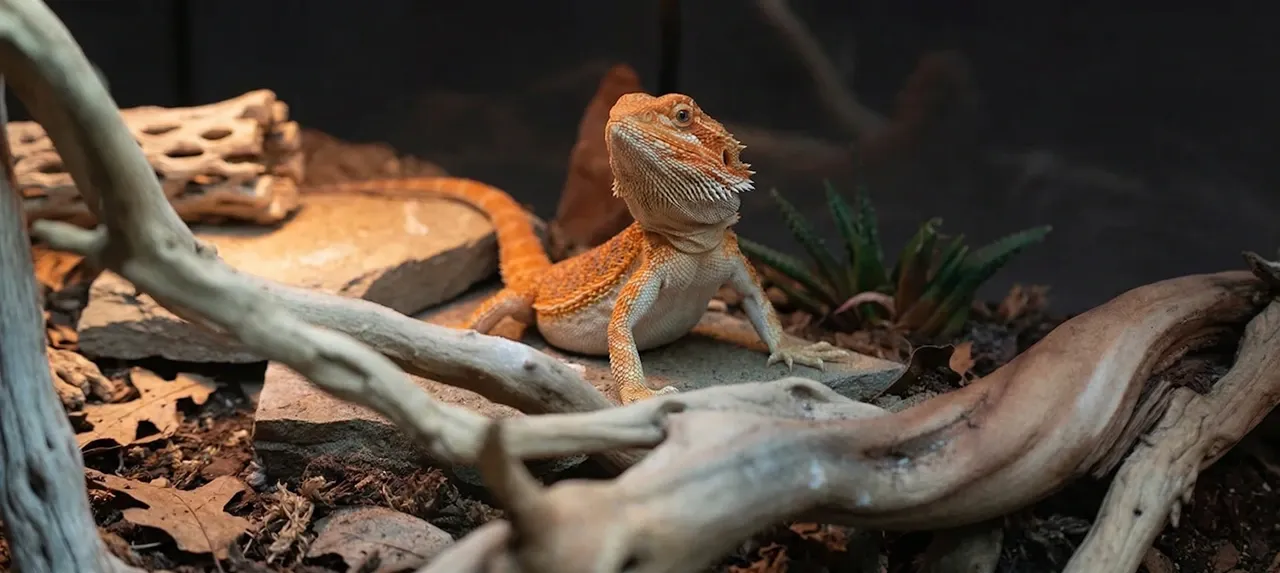
How to Sanitize Wood and Rocks for Bearded Dragons
Raw décor from the garden or the pet shop carries more than dirt. Bacteria, fungal spores, and parasites can survive on porous surfaces for weeks, and a bearded dragon pressed against a contaminated basking rock all afternoon has plenty of time to ingest whatever is living on it.
Knowing how to sanitize wood and rocks for bearded dragons takes less than an afternoon but can prevent health problems that take months to resolve. This is true whether the piece came from outside or from a pet shop shelf. Commercially sold reptile décor is not sterile.
Do Store-Bought Decorations Need Cleaning
Many keepers assume anything sold for reptile use is safe straight from the packaging. It is not. Commercial reptile décor is inspected for physical safety, not microbial contamination. It passes through warehouses, shipping containers, and store stockrooms before reaching you, and none of that handling is clean.
The risk is lower than with wild-collected pieces, but the same preparation applies. Any reptile-safe wood or rock you bring home, whether shop-bought or collected, should be sanitized before it enters your bearded dragon’s enclosure.
What You Need Before You Start
You do not need specialist equipment. Most of this is already in your kitchen or under the sink.
- A stiff-bristled scrubbing brush
- A bucket or tub large enough to fully submerge the piece
- Plain unscented household bleach with no added cleaners or fragrances
- An oven thermometer, because built-in dials are frequently inaccurate by 20–30 degrees
- A baking tray or oven rack
- Clean surface space and paper towels for air-drying
How to Sanitize Enclosure Wood
Wood is porous, which means pathogens can sit deep inside the grain rather than just on the surface. A quick rinse or wipe will not reach them.
You need heat or a penetrating chemical treatment, and a scrub before either step to remove the organic matter that shelters bacteria from treatment.
Oven Baking
Oven baking is the most reliable method for most pieces. Heat penetrates deep into the wood grain and kills bacteria, mite eggs, and fungal spores that a surface treatment cannot always reach.
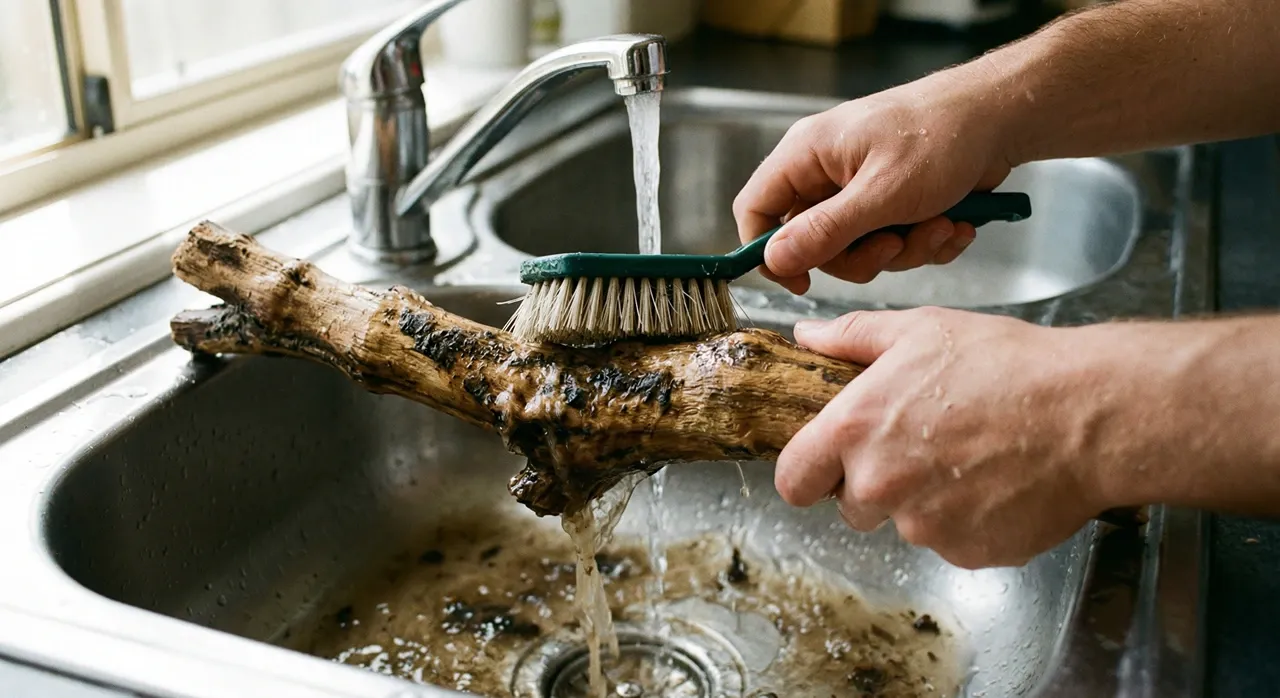
- Scrub the wood thoroughly under running water to remove loose dirt and visible debris.
- Pat dry and place on a baking tray.
- Set the oven to 250°F (121°C) and bake for 90 minutes to 2 hours.
- Check every 15 minutes. If you see smoke or scorch marks, lower the temperature immediately.
- Leave the wood inside the oven to cool fully before handling.
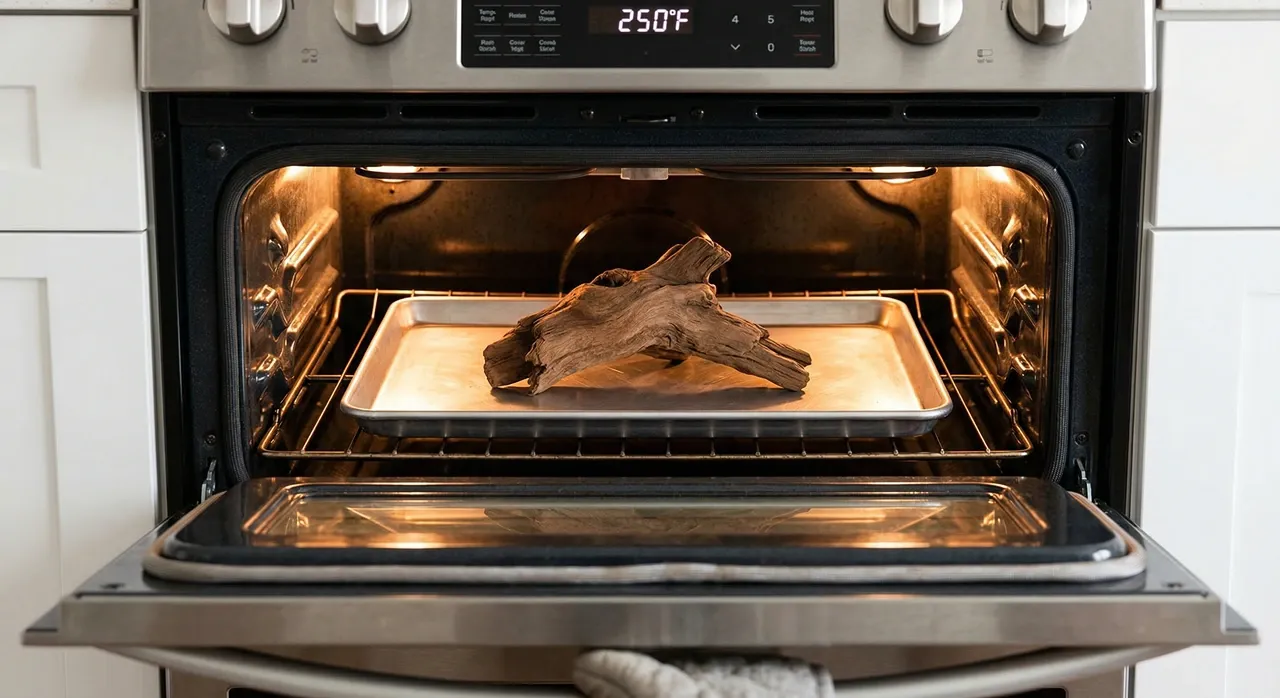
Thicker pieces need the full 2 hours because wood is a strong insulator. The surface reaches temperature long before the core does, and that core is exactly where parasites and spores can survive a shorter bake.
Bleach Soak
Use a bleach soak for pieces too large to fit in the oven, or as an additional step when wood came from an enclosure that housed a sick or parasitised animal.
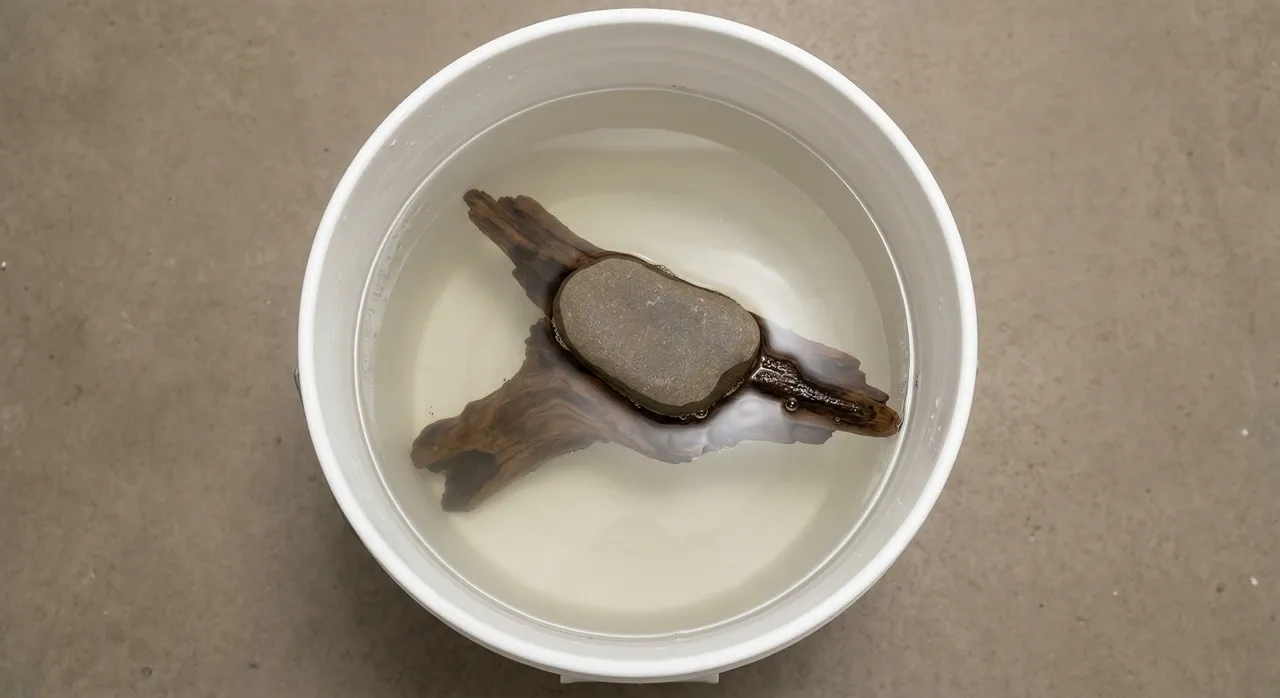
- Mix a 10% bleach solution: 1 part unscented bleach to 9 parts water.
- Fully submerge the wood, weighting it down so no surface is left exposed to air.
- Soak for 30 minutes.
- Remove and scrub under running water for at least 5 minutes.
- Air-dry completely before returning the piece to the enclosure. Allow 3 to 5 days for most pieces, longer for dense or thick sections.
Bleach residue left on porous wood is the most common mistake in this process. If you can detect any chemical smell after drying, soak the piece in clean water for an hour and dry again. Your bearded dragon will be pressed against this surface for hours a day.
Why Vinegar Rinses Don’t Work
Pouring boiling water over branches or scrubbing with vinegar is a widely circulated forum method. These steps remove visible dirt but do not sanitize reliably.
Salmonella, coccidia oocysts, and yellow fungus spores survive temperatures well above boiling water and are not neutralised by dilute acetic acid. Cleaning and sanitizing are not the same thing, and treating them as such is the gap that gets animals sick.
How to Sanitize Rocks
The process for sanitizing rocks in a bearded dragon setup differs from wood in one important way: rocks are generally non-porous or low-porosity, so pathogens live on the surface rather than deep inside the material. Two methods are worth using: boiling and oven baking.
Boiling
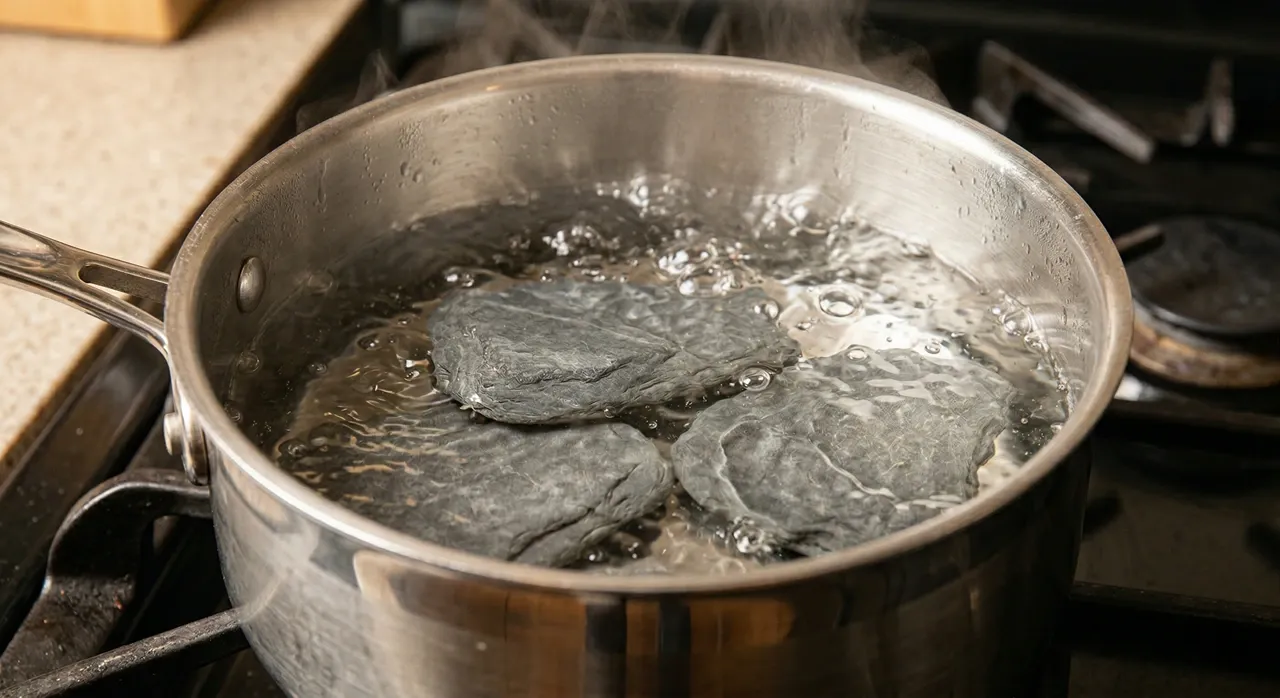
Boiling is the most accessible method and works reliably for the majority of smooth or semi-porous rocks.
- Scrub the rock under running water to remove surface dirt and debris.
- Place in a pot and cover with cold water by at least 2 inches.
- Bring to a full boil and maintain for 20 to 30 minutes.
- Remove carefully and allow to cool fully on a heat-safe surface before handling.
Rock temperature after boiling runs well above the water temperature. Do not set a freshly boiled rock onto cold ceramic or glass. The thermal shock can crack it.
Oven Baking for Rocks
Oven baking is effective for rocks but carries one risk that most guides mention briefly without making clear enough.
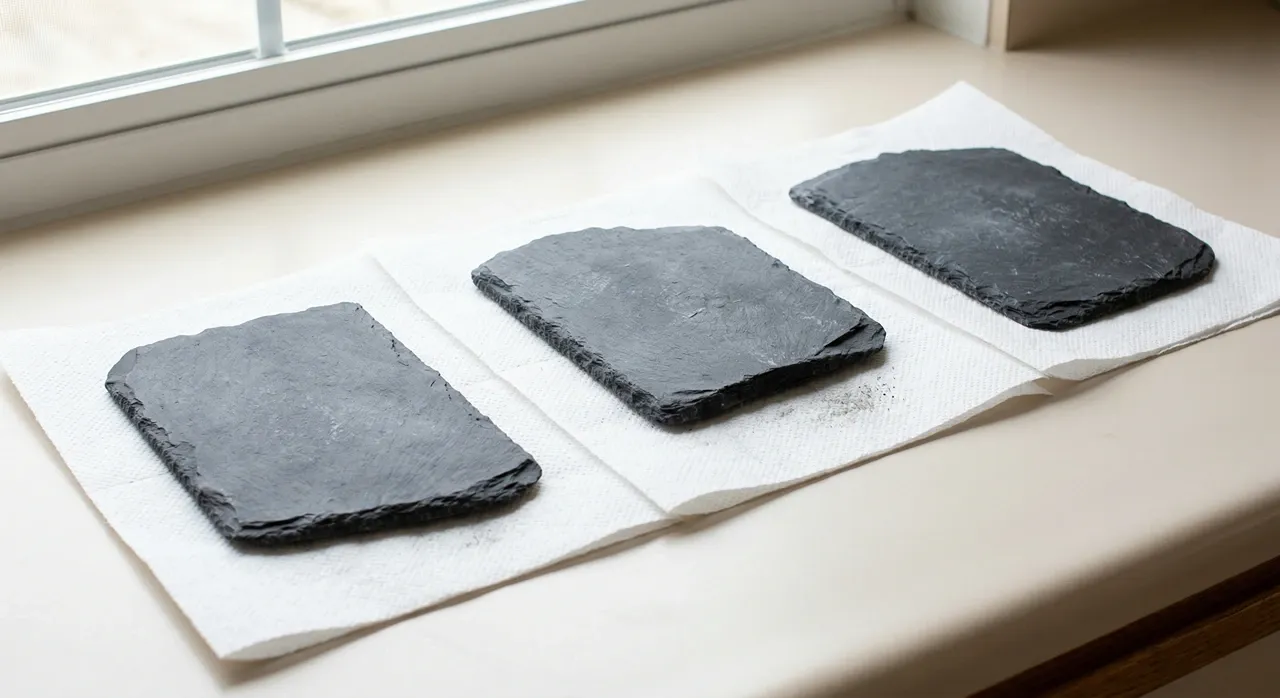
- Air-dry the rock for at least 48 hours at room temperature before attempting this method.
- Place on a baking tray with several inches of space around each piece.
- Set the oven to 350°F (177°C) and bake for 30 to 45 minutes.
- Turn the oven off and leave the rocks inside for at least 1 hour to cool gradually.
Highly porous rocks such as lava rock warrant extra caution. Their internal structure traps moisture and organic material more readily than smooth stone, so the 48-hour drying window is even more important. If you are uncertain whether a porous rock is fully dry, boil it rather than bake it.
Rock collected from riverbeds or dry streambeds warrants an extra day beyond the 48-hour minimum. Stone that has spent time near water can retain moisture in micro-fractures that are not visible from the outside. Those hidden pockets are where the fracture risk starts.
Every situation is a little different. Picking the right method based on where the piece came from and what happened in the enclosure since it was last sanitized matters more than always defaulting to the same approach.
Which Method Suits Which Situation
| Situation | Recommended Method | Key Notes |
|---|---|---|
| New wood from outside | Oven bake | 250°F for 2 hours; scrub before baking |
| New wood from pet shop | Oven bake | 1 hour at 250°F is usually sufficient |
| Wood too large for oven | Bleach soak | 10% solution; 30 min soak; rinse well; dry 3–5 days |
| Wood from a sick animal’s enclosure | Bleach soak + oven bake | Run both steps; do not skip either |
| New rocks from outside | Boiling | 20–30 min boil; cool slowly before handling |
| New rocks from pet shop | Boiling | Standard 20 min boil is sufficient |
| Rocks from a sick animal’s enclosure | Boiling + oven bake | Air-dry 48 hours minimum before the oven step |
| Highly porous rocks (lava rock) | Boiling only | Avoid oven if moisture retention is uncertain |
When Can Sanitized Wood Go Back In
Baked wood goes back into the enclosure once it has fully cooled, typically 1 to 2 hours after the oven switches off. The surface temperature drops faster than the core, so wait until the piece is completely cool to the touch, not just warm.
Bleach-soaked wood needs 3 to 5 full days of air-drying before it is safe to reintroduce. Dense or thick pieces take longer.
Returning damp wood to an arid enclosure spikes the humidity for days, which creates unnecessary stress and raises the risk of respiratory infections in an animal already unsettled by a full tank deep-clean.
When to Re-Sanitize Established Décor
A single sanitize before first use is not a permanent fix. Décor accumulates bacteria and organic material over time, and certain events require full re-treatment rather than just a routine wipe.
Re-sanitize any wood or rock in a bearded dragon enclosure if:
- Your dragon has been treated for internal or external parasites
- There has been confirmed or suspected yellow fungus anywhere in the enclosure
- A second animal was temporarily housed using the same décor
- You notice persistent biofilm, visible mould, or a smell that wiping does not clear
Outside of illness events, a full re-sanitize during a deep enclosure clean every 3 to 4 months is a reasonable routine. Between those cleans, a diluted F10SC solution at the manufacturer’s recommended ratio, applied and wiped off, is sufficient for surface maintenance.
Frequently Asked Questions
Does a Dishwasher Sanitize Reptile Décor
A dishwasher with a heated dry cycle will kill surface bacteria and mites on smooth non-porous rocks.
It is not reliable for wood because repeated steam cycles cause cracking over time, and the heat does not penetrate deeply enough to kill pathogens embedded in porous grain. Use the oven for wood.
What If the Piece Won’t Fit
Wrap the piece tightly in black plastic sheeting and leave it in direct sunlight for 3 to 5 days. For large items like full-size cork tubes or thick branching logs, this is a reasonable first pass before a thorough bleach wipe-down.
Rinse and air-dry fully before placing the piece in the enclosure. Solar treatment alone is not sufficient where a sick animal has been involved.
Does White Vinegar Actually Sanitize Décor
No. Vinegar neutralises some surface bacteria but does not meet the threshold needed to kill reptile-relevant pathogens. According to the Merck Veterinary Manual, Salmonella species are commonly shed by reptiles and can persist on surfaces at concentrations that require a proper disinfectant to eliminate.
Vinegar is a cleaning agent, not a sanitizing one.
Does Rock From My Own Garden Need Sanitizing
Yes. Garden soil carries fungal spores, bacteria, and potentially parasite eggs regardless of how clean the area looks. Where the rock came from does not change what is living on its surface, and a bearded dragon’s habit of licking new objects makes that contamination a direct health risk.
What to Check Before the Next Deep Clean
Pull each piece of décor out and inspect it properly. Look for cracks, flaking surfaces, and any whitish film that was not present when the piece went in.
Replace rather than retreat any piece showing:
- Soft spots or crumbling texture anywhere on the surface
- Mould that returns within a few days of wiping
- A persistent smell that a surface clean does not clear
- Cracks or flaking that expose the internal material
Both wood and rocks degrade inside a bearded dragon’s enclosure over time. Once the material itself has started breaking down, even the correct sanitizing method cannot fully clean it, and a compromised piece carries more risk than a freshly collected one from outside.
Written by
Sarah ArdleySarah has kept bearded dragons for over ten years. She founded Beardie Husbandry after discovering that most mainstream care advice — including what she followed with her first dragon — was doing more harm than good. Every article on this site is grounded in veterinary research and real keeper experience.