Bearded Dragon Parasites: Symptoms, Treatment And Cleaning
Finding out your bearded dragon has parasites sounds alarming. But the first thing any reptile vet will tell you is that “parasites” covers a huge range of situations, from a harmless low-level pinworm count to a serious coccidia infection that needs aggressive treatment.
Knowing which type of bearded dragon parasites you are dealing with, and how heavy the burden is, determines everything that follows.
Not All Parasites Are an Emergency
The vast majority of captive bearded dragons carry some pinworms. Studies examining fecal samples from captive Pogona vitticeps have found pinworm eggs in 49 to 65 percent of specimens. Pinworms in small numbers are considered commensal organisms, meaning they live alongside your dragon without causing measurable harm.
Coccidia is a different conversation. The species most commonly found in bearded dragons is Isospora amphiboluri, and unlike pinworms, it has a direct life cycle that allows it to multiply rapidly inside a single host.
Young dragons are particularly vulnerable, and a heavy coccidia load in a juvenile can cause stunted growth, persistent diarrhea, and death without prompt treatment. Over-treating low pinworm levels with dewormers can do more harm than good. That distinction changes every treatment decision that follows.
What Triggers a Parasite Outbreak
The balance between a manageable parasite burden and a full infestation usually tips because of stress. Inadequate basking temperatures, incorrect UVB, poor diet, overcrowding, or a recent move are all common triggers that weaken your dragon’s immune response and allow parasite populations to climb.
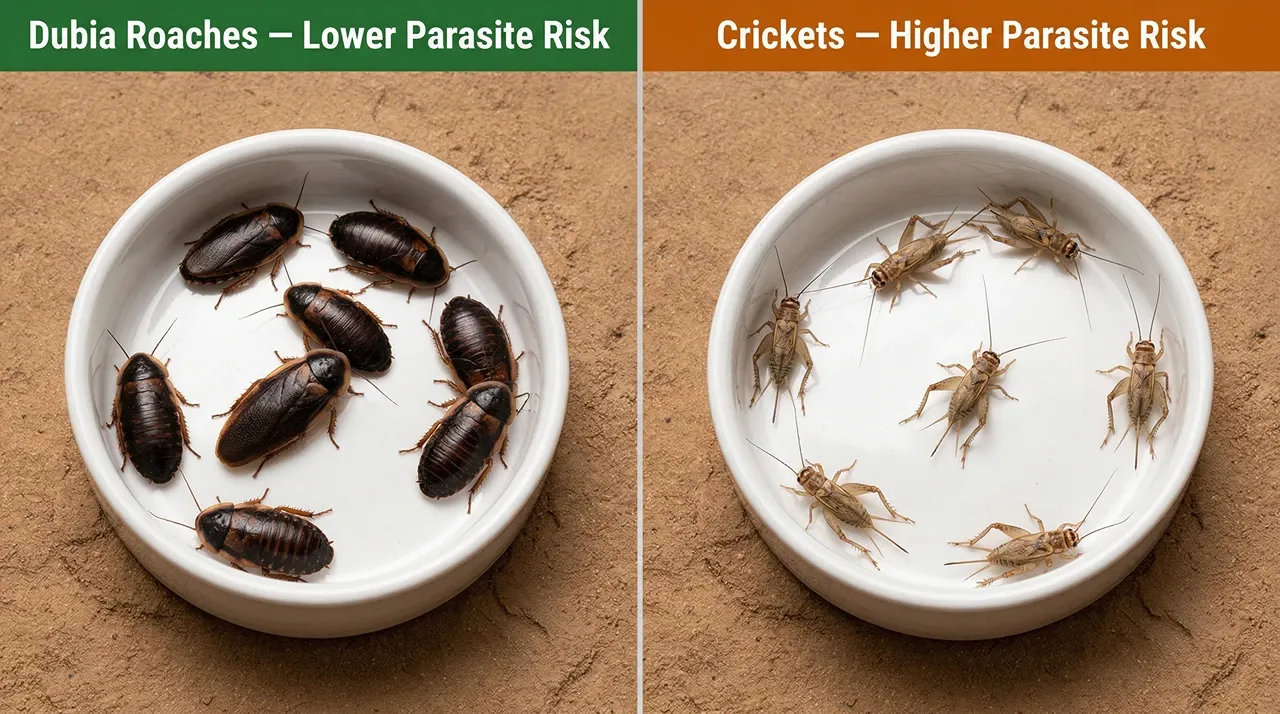
Feeder insect sourcing also plays a direct role. Crickets are a well-documented vector for pinworm eggs, and buying from low-quality suppliers increases exposure considerably. Reviewing how you source and prepare feeder insects before every feed is one of the most practical things you can do to limit ongoing reinfection.
Substrate choice matters more than most owners realise. Loose-particle substrates trap fecal matter and make thorough daily cleaning much harder, allowing parasite eggs to accumulate in the enclosure over time.
Symptoms of Bearded Dragon Parasites
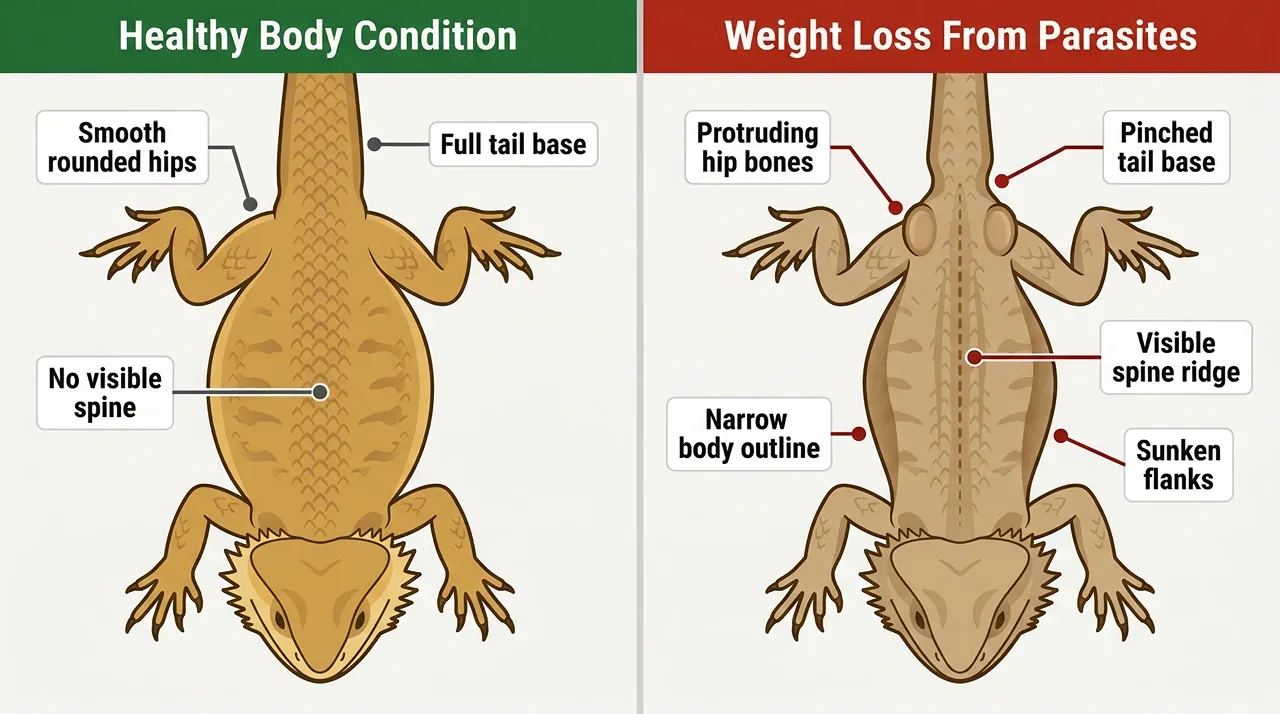
Early warning signs often look like a dozen other conditions. Weight loss that appears from nowhere, with a dragon still eating but visibly thinning across the hips and spine, is one of the clearest signs something is wrong internally.
If your dragon was maintaining weight through winter and is now dropping, do not assume it is brumation-related slowdown without ruling out parasites first. The two can look almost identical in the early weeks.
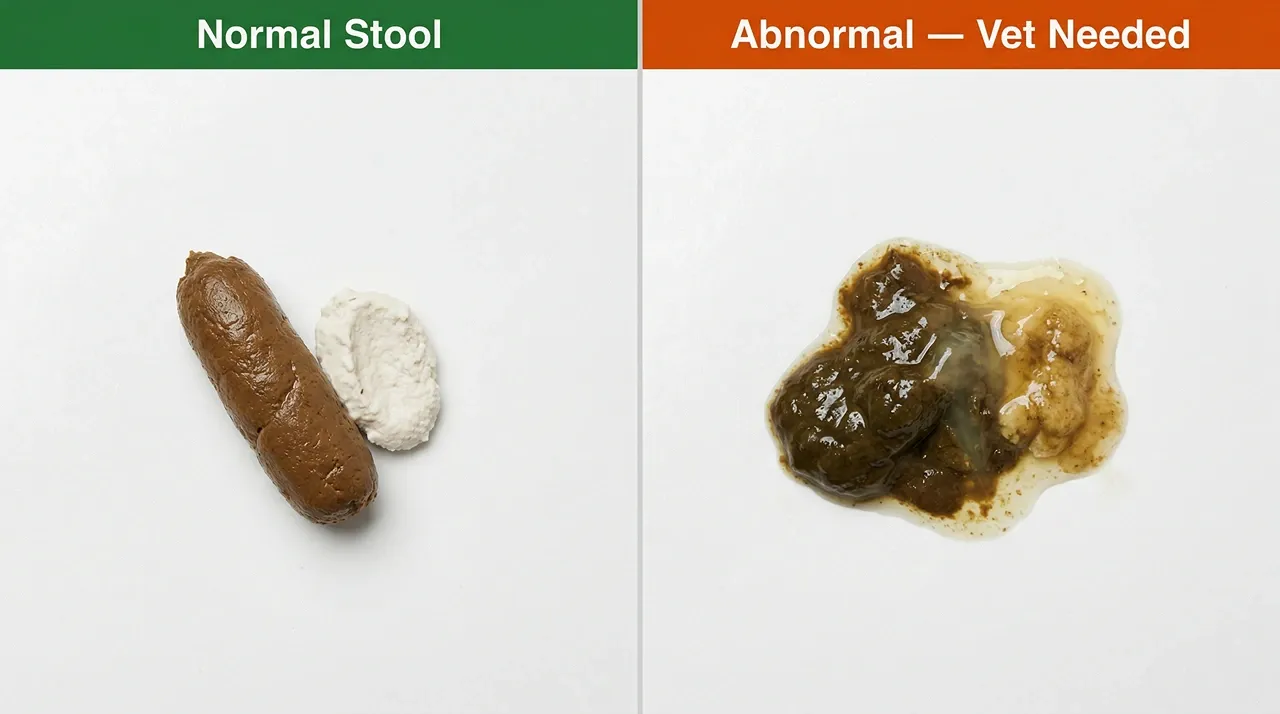
Stool changes are the other main tell. Loose, mucus-laden, or blood-streaked stool persisting beyond two or three days warrants a fecal test. One runny poo is not diagnostic, but recurring abnormal stools combined with weight loss almost always need investigating.
Physical Signs to Watch For
- Unexplained weight loss despite eating, with visible hip bones or a deflated-looking tail base
- Loose, watery, or mucus-heavy stools persisting more than two to three days
- Blood traces or dark staining in the stool
- Persistent lethargy that does not improve with correct basking temperatures
- Sunken eyes and skin that lacks normal elasticity, indicating secondary dehydration
- Loss of appetite lasting more than five to seven days with no other obvious cause
- Swollen or distended abdomen in severe or longstanding cases
How Parasites Are Diagnosed
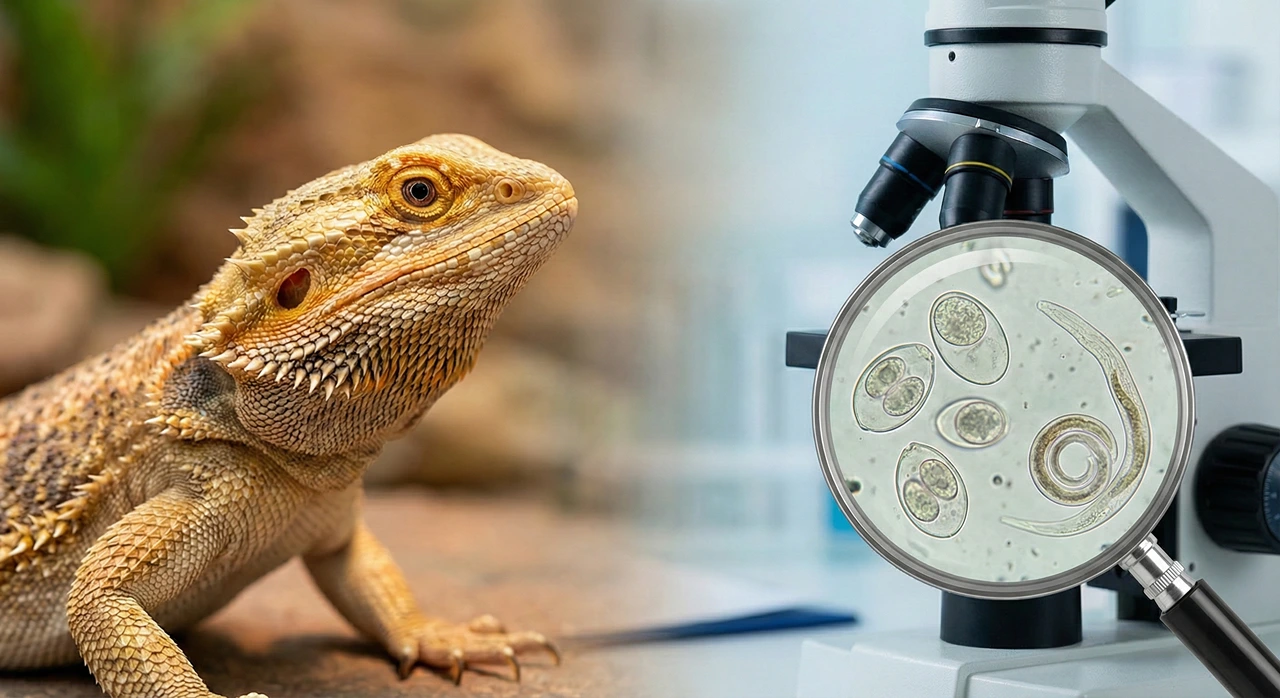
There is no way to confirm a parasite infestation by observation alone. You need a fecal flotation test performed by a reptile-knowledgeable vet.
The test identifies which parasite species are present and gives the vet an approximate burden count. Eggs per gram of feces is what drives the treatment decision, not symptoms alone.
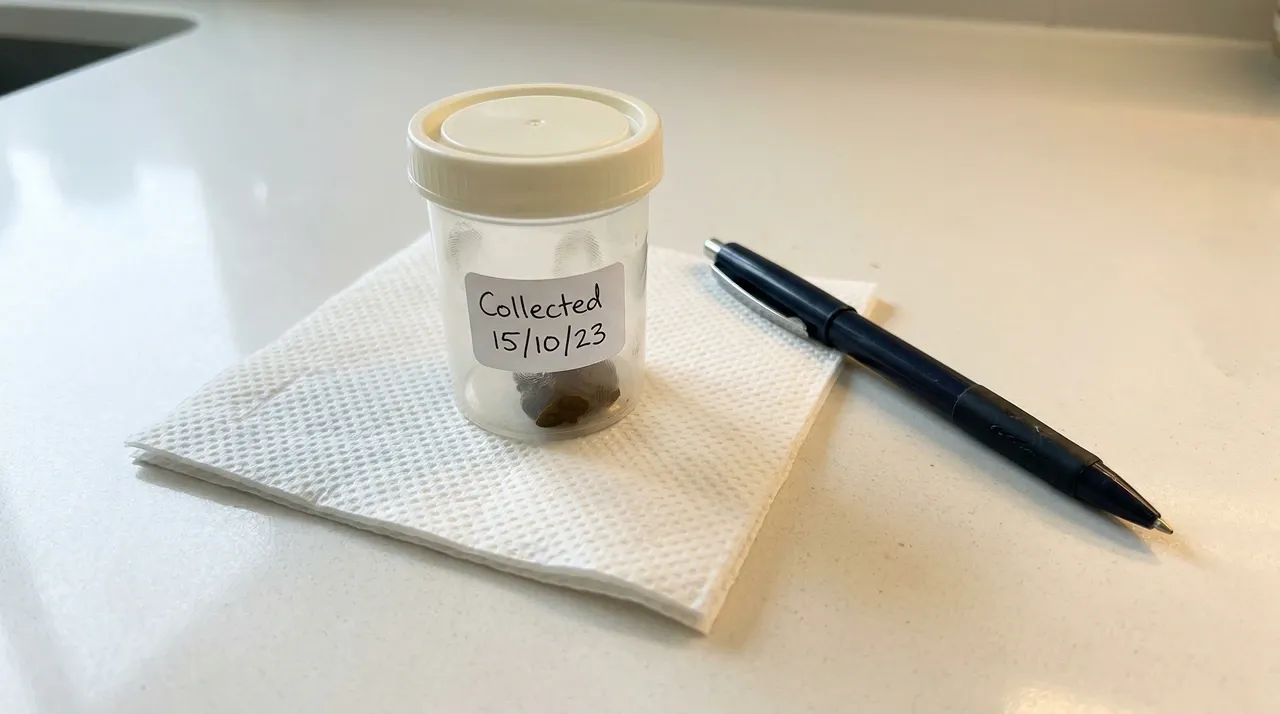
Bring a fresh stool sample collected within 24 hours of the appointment, stored in a sealed container in the fridge. Older samples degrade and can produce inaccurate results.
Some vets also run a PCR fecal test for cryptosporidium specifically, since standard flotation methods can miss it. If your dragon has chronic diarrhea and severe weight loss not responding to standard treatment, request this test explicitly.
Symptom and Action Reference
| What You Are Seeing | Likely Concern | Action |
|---|---|---|
| Pinworm eggs found on routine fecal, no symptoms | Low-level commensal load | Monitor; retest in six months; no treatment unless vet advises |
| Loose stools persisting three or more days | Possible coccidia or dietary issue | Collect fecal sample; book vet appointment this week |
| Weight loss despite normal eating | Internal parasite burden likely elevated | Fecal test needed; vet within three to five days |
| Blood in stool plus weight loss | Significant parasitic or bacterial infection | Vet within 24 to 48 hours |
| Severe lethargy, not eating, visible spine and hip bones | Heavy parasite load; possible secondary infection | Emergency vet visit same day or next morning |
| Chronic diarrhea not responding to dewormer | Possible cryptosporidium | Request PCR fecal test specifically for crypto |
Treatment for Bearded Dragon Parasites
Treatment is entirely determined by what the fecal test finds. Do not attempt to source or self-administer dewormers without a confirmed diagnosis and weight-based dosing from your vet. Underdosing achieves nothing; overdosing can be fatal.
Pinworm Treatment
Fenbendazole (Panacur) is the standard prescription for pinworms, typically dosed at 25 to 50 mg/kg once daily for five to seven days.
Resistance to fenbendazole has been documented in some captive pinworm populations. If the first course shows no improvement, your vet may switch protocol rather than repeat the same medication.
Ask your vet about running a probiotic supplement alongside or immediately after the course. Dewormers disrupt gut flora, and a probiotic helps your dragon’s digestive system recover more cleanly after treatment ends.
Coccidia Treatment
Ponazuril is the most commonly prescribed drug for coccidia in bearded dragons, typically dosed at 30 mg/kg every 48 hours for four doses. Sulfadimethoxine (Albon) is still used but often requires two to four weeks of continuous treatment.
According to the Merck Veterinary Manual, even under the best conditions, eliminating coccidia entirely is achieved in fewer than half of all cases. Reducing the burden is still worthwhile, because a lower oocyst count relieves symptoms and slows spread.
Reinfection from the environment is the primary reason coccidia treatments fail. Your vet will request a follow-up fecal sample around six weeks after treatment ends, and again at six months. Coccidia is only considered cleared after two consecutive negative results.
What About Cryptosporidium
Cryptosporidium is the hard one. There is currently no reliable treatment that clears it from reptiles, and an infected dragon can shed oocysts intermittently for life.
Management focuses on keeping the dragon well-nourished, reducing stress to limit flare-ups, and preventing spread to other animals. A dragon confirmed positive for cryptosporidium should never be housed with other reptiles.
Cleaning the Enclosure During Treatment
Medicating your dragon without overhauling the enclosure is the most common reason treatments fail. Coccidia oocysts are shed already sporulated, meaning they are immediately infectious when they hit the substrate.
Daily fecal removal is not optional during treatment. It is the single most effective thing you can do to stop your dragon reinfecting itself before the medication has had time to work.
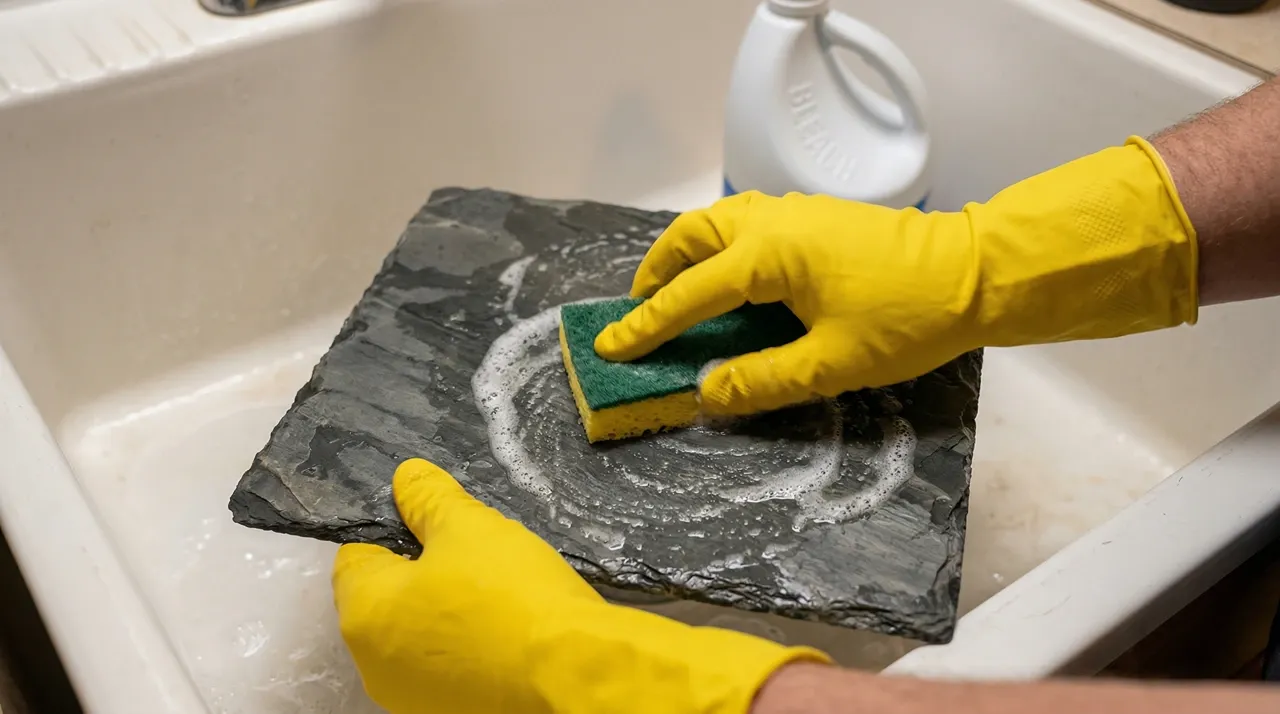
Loose substrates should be stripped and discarded completely at the start of treatment. Tile, slate, and other non-porous substrate options are far easier to decontaminate and are strongly preferable during any coccidia episode.
All decorations, hides, food dishes, and water bowls need to be scrubbed, bleached, rinsed fully, and dried before returning to the enclosure. If an item cannot be adequately cleaned, replace it rather than risk it becoming a reinfection reservoir.
Daily Cleaning Routine During Treatment
- Remove any stool immediately upon spotting it, every time. Do not leave it to deal with later.
- Wipe the area where feces were found with dilute bleach solution, then rinse and dry before your dragon returns to that surface.
- Wash food and water dishes in hot soapy water daily, rinsing fully before refilling.
- Wash your hands thoroughly before and after any contact with the enclosure or your dragon.
- Do a full enclosure scrub every five to seven days for the full duration of treatment.
Preventing Reinfection After Treatment
Reinfection almost always comes from the enclosure or from feeder insects. Once treatment is complete, the original source needs addressing or the cycle restarts.
Any new dragon added to a household must be quarantined for a minimum of 60 days and fecal-tested before coming anywhere near an established animal. The risk of importing a parasite load from a new arrival is the primary argument against housing multiple dragons together without rigorous health screening.
Switching from crickets to dubia roaches cuts down on pinworm reintroduction. Crickets carry pinworm eggs and act as a continuous reinfection route when used heavily. Sourcing from a reputable supplier and storing your feeders correctly before use helps reduce this risk further.
Annual Fecal Testing
Routine annual fecal testing is the most underemphasised part of staying on top of parasite levels in a healthy collection. A dragon with no obvious symptoms can still carry a coccidia load quietly building toward a problem.
This is especially true after a stressful period like a house move, a seasonal behaviour shift, or an extended dietary change. Any of these can suppress immune function enough to tip a manageable burden into an active infestation.
A yearly wellness check that includes fecal flotation costs less than most sick-dragon visits, and it gives you a baseline count so you can see whether parasite levels are stable, rising, or gone entirely.
Frequently Asked Questions
Can I catch parasites from my bearded dragon
Reptile pinworms and Isospora amphiboluri coccidia are highly host-specific and are not known to infect humans. Cryptosporidium is technically not species-specific but reptile strains are not considered a human health risk under normal circumstances. Standard handwashing after enclosure contact is sufficient.
My dragon was treated but parasites are still present
This is normal with coccidia, particularly after a first treatment course. The goal in many cases is burden reduction rather than total elimination. Keep up with the enclosure cleaning protocol and attend every follow-up fecal test your vet schedules.
Can I use over-the-counter dewormers
Some OTC dewormers contain walnut shell carriers that are harmful to bearded dragons. Beyond the ingredient risk, dosing without knowing the parasite species and your dragon’s exact current weight is outright dangerous. A vet prescription with weight-based dosing is the only safe route.
How long does treatment take
Pinworm treatment with fenbendazole typically runs five to seven days. Coccidia treatment can run two to four weeks, and the follow-up testing period extends to six months or longer. Expect the full process to take several months before a clean fecal result is confirmed.
Parasites were found but my dragon has no symptoms
A low pinworm count in an otherwise healthy, well-fed dragon often does not require treatment. Ask your vet for the actual egg-per-gram count and follow their recommendation. Do not push for deworming if your vet advises monitoring; unnecessary treatment causes its own problems.
What to Do Right Now
If your dragon is losing weight, producing abnormal stools, or becoming visibly lethargic, book a vet appointment and collect a fresh fecal sample today. The earlier a coccidia infection is confirmed, the better the treatment outcome. Waiting even a week can meaningfully change the prognosis in a young dragon.
If your dragon has recently finished treatment, focus on daily fecal removal, a clean enclosure, and attending every follow-up test. The medication is only half the work. Watching for signs of digestive distress alongside parasite management helps you catch secondary complications before they compound.
And if everything currently looks fine, schedule an annual fecal test at your next vet visit. It is the simplest way to stay ahead of bearded dragon parasites before they become serious.
Written by
Sarah ArdleySarah has kept bearded dragons for over ten years. She founded Beardie Husbandry after discovering that most mainstream care advice — including what she followed with her first dragon — was doing more harm than good. Every article on this site is grounded in veterinary research and real keeper experience.