Bearded Dragon Brumation: Sleeping, Brumating, or Dying?
Some keepers notice the slowdown coming over weeks. The food refusal, the shorter basking sessions, the dragon that increasingly prefers the cool corner to the lamp. Others check on their dragon one evening and find an animal that looks, for all intents and purposes, dead.
What you are looking at is almost certainly bearded dragon brumation, a seasonal dormancy hardwired into the biology of every captive dragon regardless of how warm and stable their enclosure is.
The difficulty is that the early stages of brumation look almost identical to several genuine illnesses, which is exactly why new owners panic so quickly. The difference between a sleeping dragon and a seriously ill one is real, but you need to know what to look for.
What Bearded Dragon Brumation Actually Does
During brumation, the whole system downshifts. Metabolism slows dramatically, heart rate drops, digestion halts, and body temperature follows whatever the coolest part of the enclosure allows.
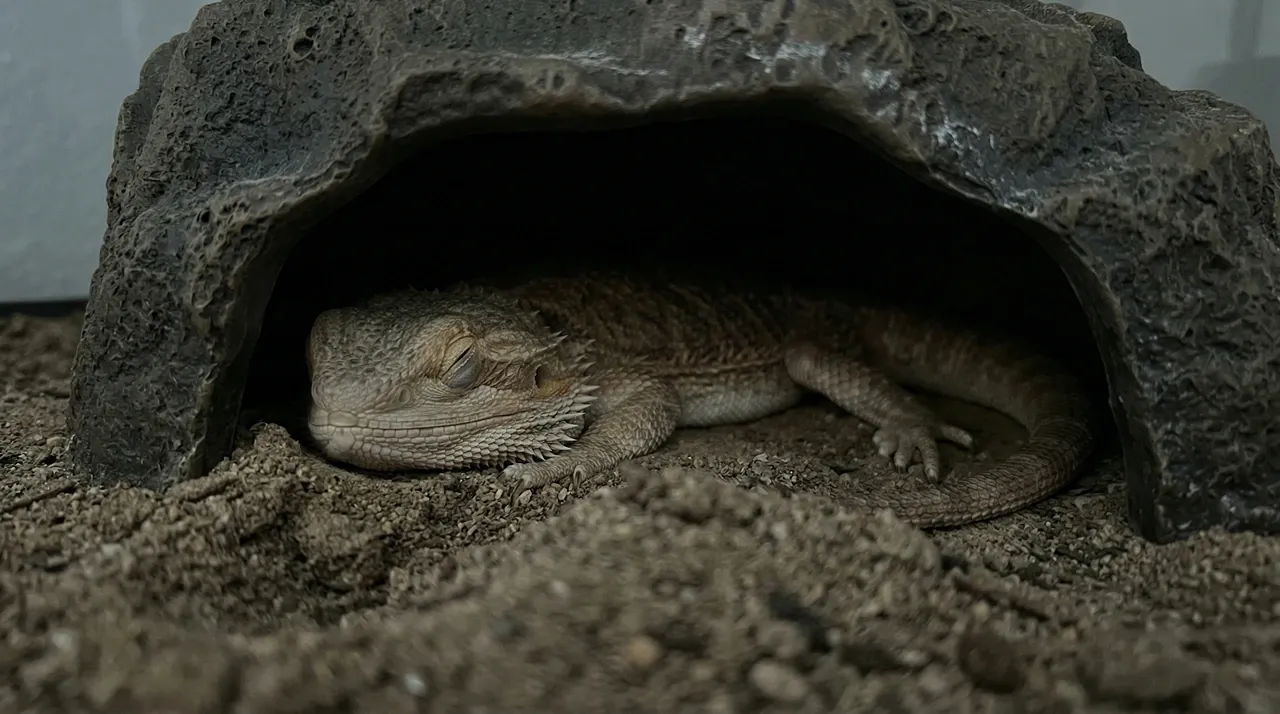
A brumating dragon is not unconscious. Most will shift position occasionally or briefly open one eye if you pick them up, because some level of environmental awareness stays active throughout.
Reptile brumation is better described as a sustained low-power state rather than the deeper physiological shutdown of mammalian hibernation. Some dragons come out of it for a few hours every week or two, bask weakly, drink a little water, and slide back under their hide. That kind of interruption does not mean brumation is over.
Bearded dragons allowed to brumate regularly show better long-term health outcomes than those kept artificially active through winter. There is a documented link between repeatedly skipped brumation seasons and fatty liver disease, because the body loses the chance to metabolise its stored fat the way the dormancy cycle is built to allow.
The biology is still being studied in detail, but the pattern among experienced keepers is consistent: let them sleep.
Signs Your Dragon Is Heading Into Brumation
Food Refusal Always Comes First
The first signal is almost always appetite. A dragon that normally attacks every feeder starts walking past them. Salad sits untouched in the bowl. This shift happens gradually over days or a couple of weeks, with eating becoming progressively less enthusiastic before stopping almost entirely.
Many owners mistake this for illness and try to force-feed at this stage. That is the wrong call. The appetite drop is intentional, and a stomach full of food going into brumation creates a serious and potentially fatal problem.
Leave food available if you like, but do not push it. The digestive system is winding down on purpose.
Then They Find a Spot and Stay
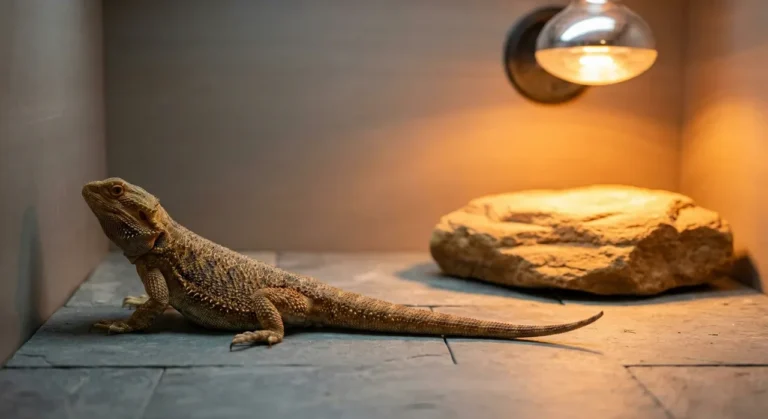
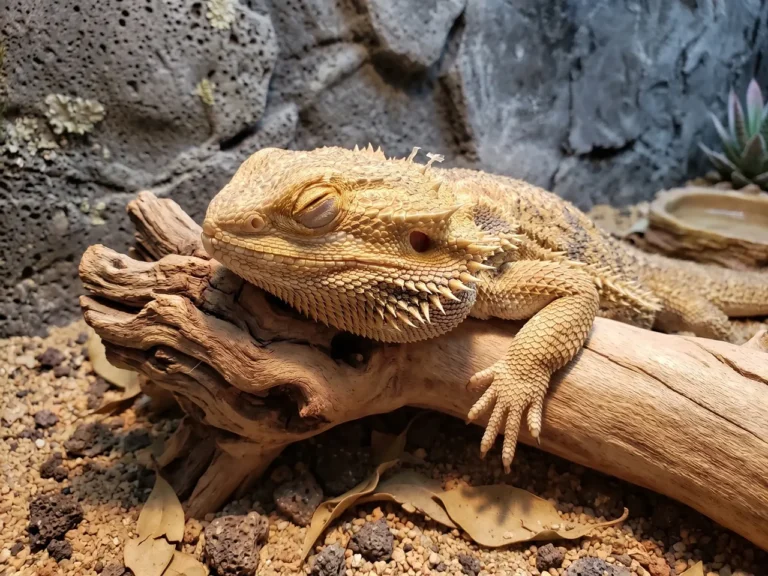
After the appetite goes, sleeping hours increase noticeably. Basking trips get shorter. The dragon spends more time under its hide, and eventually the basking spot becomes an occasional visit rather than a daily routine. Some dragons dig briefly at the substrate before settling; others just press themselves into the far corner and stop moving for days at a stretch.
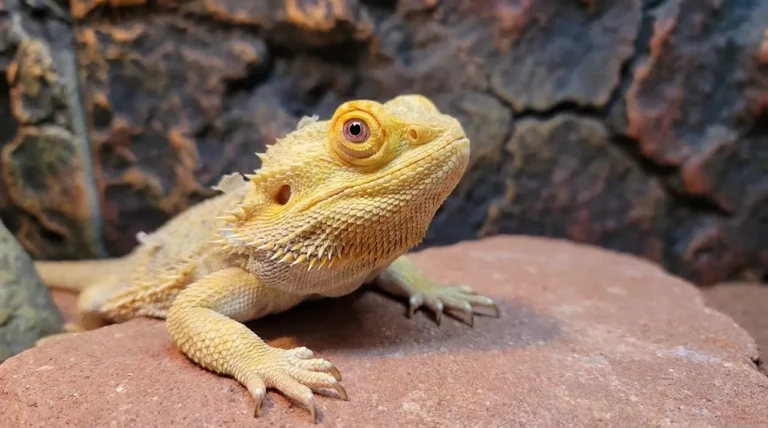
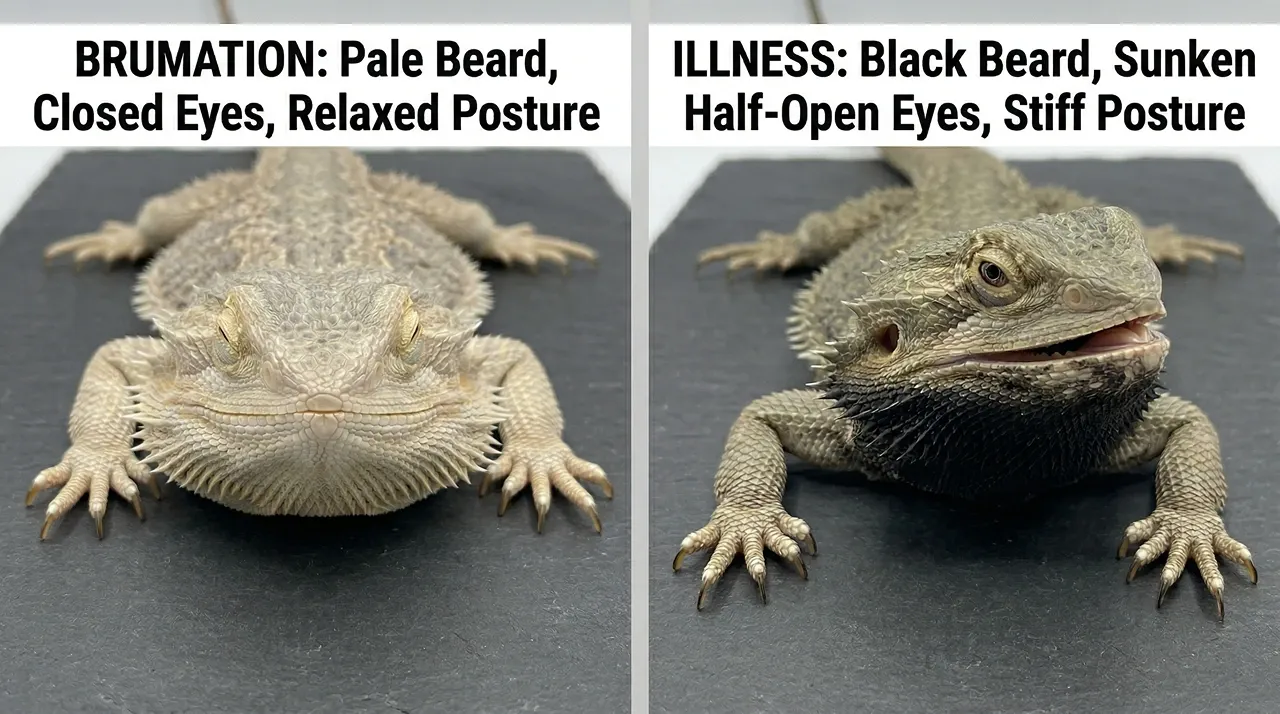
Watch colour and posture changes alongside the sleeping pattern during this period. A dragon heading into brumation tends to become paler or slightly greyer than normal, with a light-coloured or cream beard.
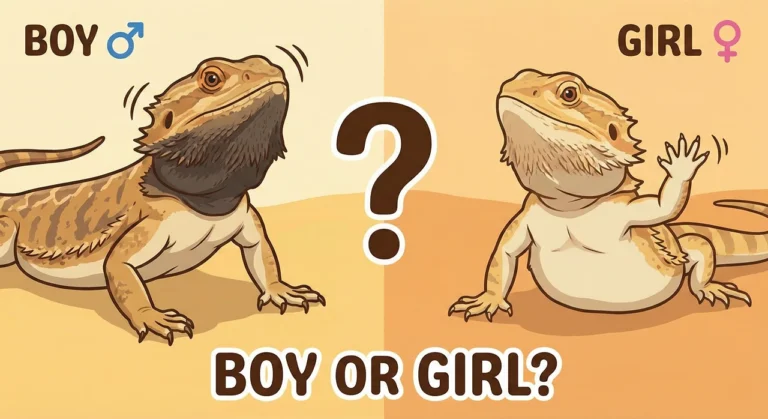
A dark or blackened beard in a lethargic dragon points to stress or pain, not brumation. That is a completely different situation that needs attention before dormancy is considered.
Is This Brumation or Something Worse
The question that keeps new owners awake at night has an honest answer: behaviour alone is never enough to make the call. Brumation and several serious illnesses look identical from the outside.
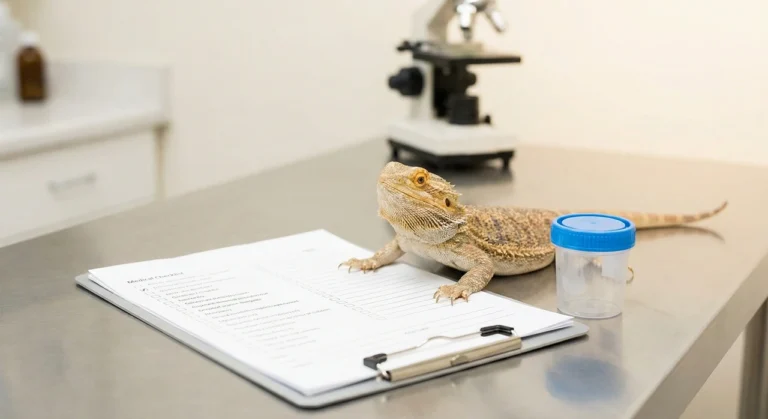
The only reliable way to rule out illness before allowing full dormancy is a vet visit with a fecal test. The Association of Reptilian and Amphibian Veterinarians maintains a vet locator that is useful if you have not yet established a relationship with a reptile-experienced practice.
A pre-brumation fecal check is worth doing every year, not just the first time. High parasite loads trigger the same sluggishness and food refusal that brumation does, and a dragon sleeping off a heavy parasite burden will deteriorate steadily rather than wake up well in spring.
Signs that point to illness, not brumation:
- A black or very dark beard alongside general lethargy
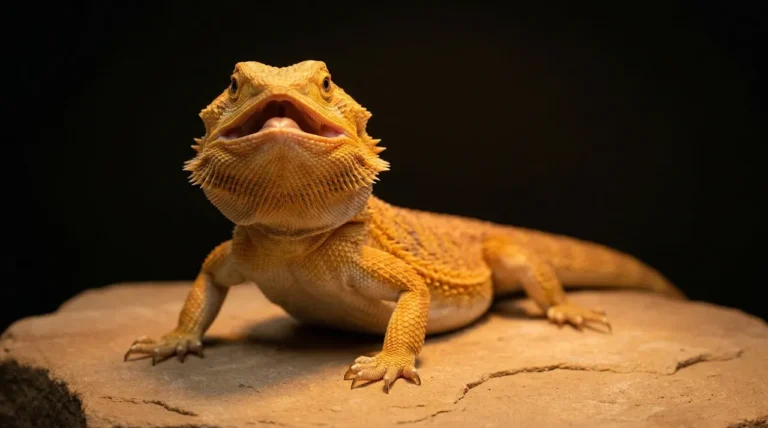
- Laboured breathing, clicking sounds, or open-mouth gaping
- Sunken or half-closed eyes that do not respond to light or touch
- Noticeable weight loss over two weeks
- Unusual skin discolouration or visible swelling
- Any of these signs appearing outside of autumn or winter
When the season and behaviour line up cleanly, brumation is the most likely explanation. When something about the picture does not fit, trust that instinct and get a vet check before assuming dormancy.
| What You See | Brumation | Illness | Death |
|---|---|---|---|
| Eyes | Closed; may flicker if touched | Half-open, glassy, or sunken | Fixed open or closed; no response to light or touch |
| Body | Pliable; shifts position occasionally | May be tense, twisted, or unusually limp | Fully limp at first, then stiffens with rigor mortis within hours |
| Response to handling | Slow position shift; may open an eye | Minimal or absent | None whatsoever |
| Beard colour | Normal or pale | Black, very dark, or abnormally pale | May appear mottled or discoloured post-death |
| Breathing | Very slow but visible if watched for 30 seconds | Laboured, clicking, or no visible rhythm | Absent |
| Muscle tone | Present; limbs feel slightly resistant when moved | Variable; may be flaccid or cramped | Absent; limbs move freely in any direction |
| Seasonal timing | Predominantly autumn and winter | Any time of year | Any time of year |
Undigested Food During Brumation Can Be Fatal
Most brumation guides handle the gut-clear rule too gently. If a dragon goes into full dormancy with food in its gut, digestion does not pause. It stops entirely, body temperature drops, and that unprocessed food begins to rot inside the digestive tract. The resulting infection is systemic and frequently fatal.
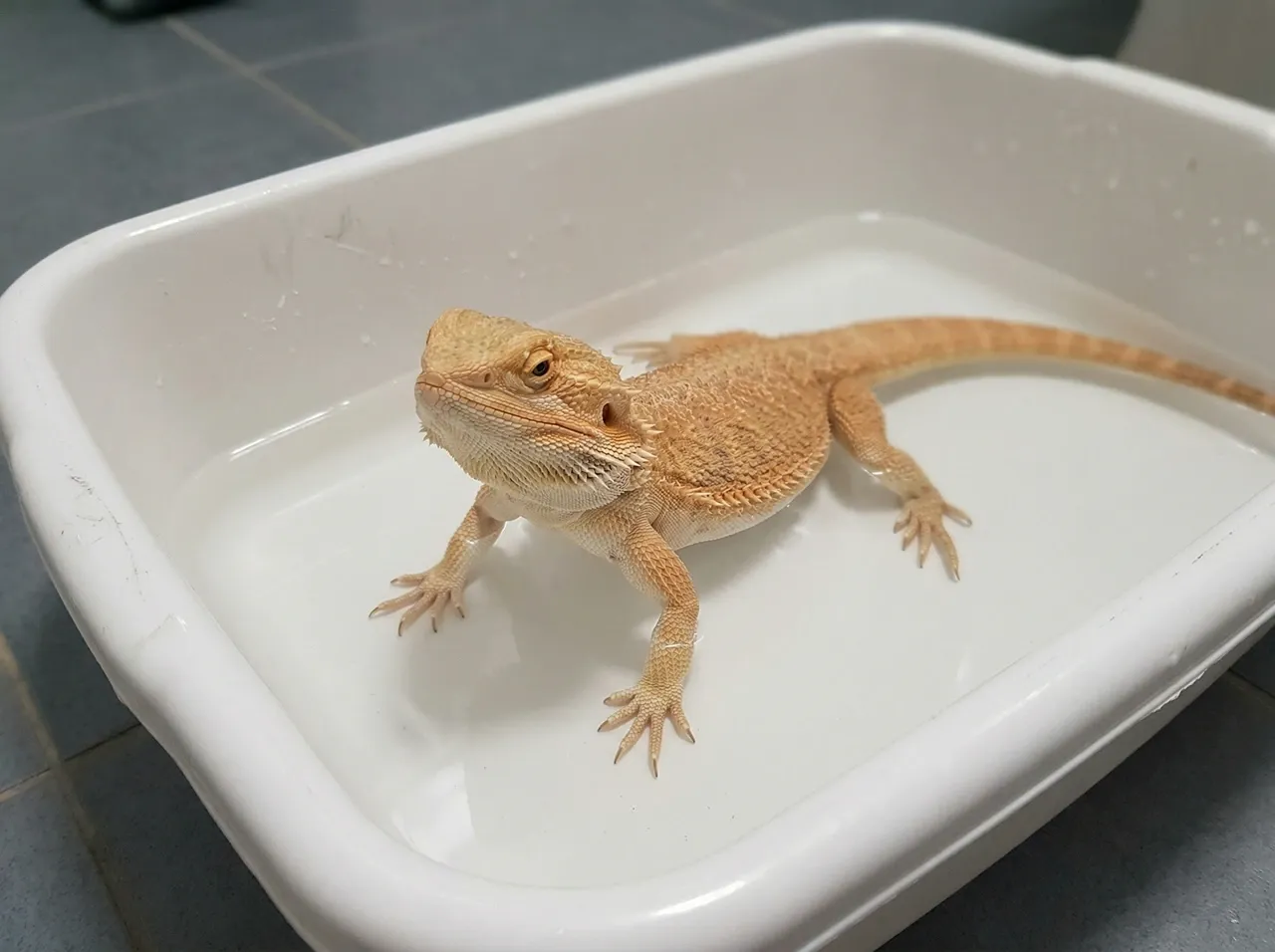
Your dragon’s instincts handle this naturally in most cases. Appetite disappears first, and then they wait several days to pass a final bowel movement before sleeping properly. That last defecation is the body clearing the pipeline.
Existing impaction issues need to be resolved before dormancy begins. A blocked gut going into brumation will not clear itself, and the consequences are severe.
Once eating has stopped, remove all live feeders from the enclosure completely. Do not leave crickets in the tank. A sleeping dragon cannot defend itself, and hungry crickets will bite the soft eyelids and the skin between the toes, causing injuries and infection while your dragon is completely defenceless.
Pre-brumation gut clear sequence:
- Stop offering insects as soon as appetite drops consistently
- Continue offering greens briefly; they digest faster than protein
- Give at least one warm pre-brumation soak to stimulate a final bowel movement
- Wait for that final defecation before reducing light and heat
- Confirm no live feeders remain in the enclosure before dormancy begins
What to Do While They Sleep
Should You Turn the Lights Off
Gradually is the key word. Do not pull the plug on heat and UVB overnight. Reduce the photoperiod by an hour every few days, mimicking how natural daylight shortens through autumn. Once your dragon is sleeping consistently and the gut is clear, you can turn the basking lamp and UVB off entirely.
A healthy brumating dragon tolerates ambient temperatures down to around 55°F (13°C) without harm. They do not need basking temperatures while dormant, so do not feel obliged to maintain them. Keep a digital thermometer in the room so you know the actual ambient temperature rather than assuming the enclosure is holding heat it no longer needs to provide.
Weighing Weekly Is Not Optional
Get a kitchen scale and weigh your dragon every seven days throughout brumation, recording the number each time. A small amount of weight loss is expected. The threshold that requires immediate veterinary attention is a loss of more than 10% of their pre-brumation body weight. A dragon that started at 400g and drops below 360g during dormancy needs a vet, not more time.
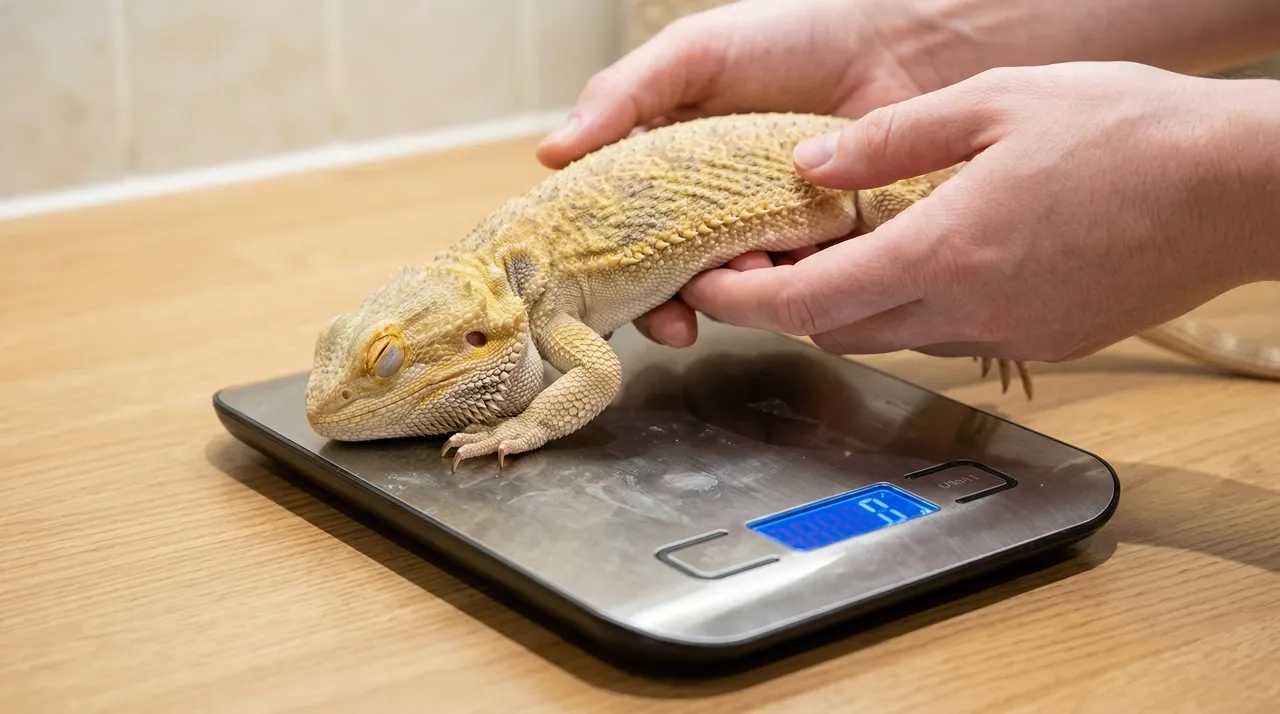
Keep a shallow water dish accessible throughout. Most sleeping dragons will not drink from it, but during partial wakings they may take water from the dish or accept drops dripped gently onto their snout. A weekly warm soak also helps with hydration if your dragon is sleeping too deeply to drink on their own.
Is My Dragon Dead or Brumating
Telling the difference between a brumating dragon and a dead one is harder than most care guides admit. The practical test takes under a minute.
Pick your dragon up gently and hold it in your warm hands for 30–60 seconds. A brumating dragon will almost always respond in some way: a slow shift of position, a slight tightening of grip, an eye that opens partway. Even in deep dormancy, the body retains muscle tone, and limbs will feel slightly resistant when you move them. That small amount of natural resistance means something is home.
A dead dragon feels fundamentally different. In the hours immediately after death, the body goes completely limp before rigor mortis sets in. There is no muscle tone, no response to handling, no reaction to warm hands or a warm surface.
Rigor mortis typically begins within a few hours, creating stiffness that resists movement in any direction. This differs from the gentle resistance of a living animal, which yields with slight pressure rather than locking in place.
If you hold a dragon in warm hands for a full minute and there is still zero response of any kind, take them to a reptile vet rather than waiting alone. Brain death in reptiles can occur before the heart stops, making definitive assessment at home unreliable.
What Happens When They Wake Up
Waking up is not a single event. Most dragons emerge gradually over several days, coming out to bask for an hour and then disappearing under the hide again before eventually committing to being fully awake. This back-and-forth is normal and does not mean something has gone wrong.
Do not push them toward a full routine until they are basking consistently and showing real interest in food. When they are clearly back, restart your dragon’s age-appropriate feeding routine gradually, offering greens before insects in the first few days. This gives the digestive system time to come back online before it hits a heavy protein load.
A warm bath shortly after waking helps with rehydration and usually triggers the first post-brumation bowel movement, which confirms the system is running properly again.
Be prepared for striking behaviour changes in the weeks after waking. Post-brumation hormonal behaviour can turn a calm, familiar dragon into a completely different animal almost overnight. Males especially become intensely territorial, arm-wave at their own reflections, black-beard at walls, and may become much harder to handle than they were before winter. This is temporary and normal, though it catches new owners completely off guard the first time they see it.
Should You Try to Prevent Brumation
Keeping temperatures and lighting consistent through winter does suppress brumation in most dragons. A consistent 12–14 hour photoperiod and a basking spot held at 100–105°F (38–40°C) will often prevent a significant slowdown. Whether that is the right call depends on the individual dragon and their health history.
Current evidence links repeatedly prevented brumation to fatty liver disease over multiple years. The body never gets the chance to metabolise its stored fat reserves the way the dormancy cycle is designed to allow. This matters most for older dragons, who show the clearest long-term benefit from regular brumation seasons and tend to age more gracefully than those kept on a constant summer schedule year-round.
There are valid reasons to prevent brumation. A dragon that is underweight, recently ill, or under twelve months old should not attempt a full dormancy. Young dragons lack the fat reserves to sustain it safely, and if a juvenile starts showing signs of slowing down in autumn, keep the basking temperatures high and increase feeder frequency rather than letting them drift into dormancy. A reptile vet consultation at that point is sensible rather than optional.
Questions Keepers Ask Every Autumn
Can a bearded dragon brumate in summer
Yes, captive dragons do not always follow the calendar precisely. If the photoperiod in the room shortens, temperatures fluctuate, or an internal seasonal trigger fires early, some dragons will attempt brumation outside of winter. If the behaviour fits the pattern and your dragon is in good health, it is generally safe to allow it regardless of the month.
How long does bearded dragon brumation last
Anywhere from two weeks to four months, depending on the individual. Some dragons sleep in a single long stretch while others take intermittent naps through the whole winter. Both are normal, and length varies by age, health, and how closely the enclosure reflects seasonal environmental changes.
Should I wake my dragon up to eat
Only if weight loss exceeds 10% of the pre-brumation baseline. Interrupting brumation repeatedly without that reason disrupts the hormonal cycle the dormancy is meant to complete, and force-feeding a dragon with an inactive digestive system recreates the same rotting-gut risk covered above.
Can a baby bearded dragon brumate
A dragon under twelve months old should not undergo full brumation. They lack the fat reserves to sustain it, and the risk of serious deterioration is real. If your juvenile is showing brumation signs in autumn, consult a reptile vet rather than assuming normal dormancy is appropriate at that age and weight.
Will my dragon recognise me after brumation
Yes. A well-socialised bearded dragon will recognise you after dormancy, though they may take a week or two to return fully to their pre-brumation personality. The temporary post-brumation hormonal surge can make them seem like a different animal for a few weeks, but that settles once the reproductive drive passes.
Before They Go Down, Check These Off
Run through this sequence before and during every bearded dragon brumation, and keep a written record so each year gets easier to manage.
- Book a vet visit and fecal parasite test before dormancy begins, every year
- Record your dragon’s exact weight on the day brumation starts as your baseline
- Stop offering insects once appetite drops consistently; continue greens briefly
- Give at least one warm bath to encourage a final bowel movement before sleep
- Confirm the gut has cleared before reducing light and heat
- Remove all live feeders from the enclosure completely before dormancy begins
- Reduce photoperiod gradually over one to two weeks, not overnight
- Weigh your dragon every seven days and log the number
- Seek veterinary advice immediately if weight drops more than 10% from baseline
- Keep ambient room temperature above 55°F (13°C) throughout
- Offer water during any partial wakings; a weekly soak supports hydration if they are not drinking
- When waking begins, restart feeding gradually with greens before insects
Medical Disclaimer: This article is written for educational purposes and reflects the experiences of long-term bearded dragon keepers. It is not a substitute for professional veterinary advice. If your dragon shows signs of illness before, during, or after brumation, contact a reptile-experienced veterinarian promptly. When in doubt, always seek professional guidance rather than waiting.
Written by
Sarah ArdleySarah has kept bearded dragons for over ten years. She founded Beardie Husbandry after discovering that most mainstream care advice — including what she followed with her first dragon — was doing more harm than good. Every article on this site is grounded in veterinary research and real keeper experience.