Bearded Dragon Atadenovirus – The Virus Behind Stargazing Disease
Bearded dragon atadenovirus is one of the most common viruses in captive dragons and one of the least understood by owners. If your dragon has just been diagnosed as ADV positive, or you are watching a young dragon tilt its head and stare at nothing, a positive result is not a death sentence. It is a diagnosis that changes how you manage your dragon going forward.
What Bearded Dragon Atadenovirus Does to the Body
Atadenovirus, also called ADV, wasting disease, and stargazing disease, is a DNA virus that targets multiple organ systems simultaneously. It causes inflammation of the liver, intestines, and kidneys and suppresses the immune system’s ability to fight off secondary infections. In some dragons the virus also invades nervous tissue, which is where the neurological symptoms that gave it the name “stargazing disease” originate.
The immune suppression is what causes the most problems in daily management. An ADV-positive dragon does not just carry a virus — it carries a compromised immune system that makes every other health challenge harder to resolve. Parasitic infections that a healthy dragon clears quickly become chronic in a positive animal. That relationship between ADV and secondary infections, particularly coccidia, is the management issue that catches most owners off guard.
Why So Many Bearded Dragons Test Positive
The prevalence of atadenovirus in captive bearded dragons is high. Research on wild Pogona populations in Australia found the virus circulating naturally, with most infected individuals otherwise healthy. Bearded dragons appear to be natural hosts for this virus, not accidental ones. The virus has been circulating through captive breeding populations for decades, passing vertically from mother to offspring and horizontally through shared environments at breeders, pet shops, and reptile expos.
A dragon that tests positive at purchase has almost certainly been positive since hatching or shortly after. The test tells you the virus is present, but it does not tell you how severely the animal will be affected or how long it will live. Those questions have no reliable answers at the point of diagnosis, and any article that implies otherwise is overstating what the science currently supports.
What an Active ADV Episode Actually Looks Like
Atadenovirus produces two distinct clinical pictures depending on which organ systems are most affected at a given time. The more common presentation involves the gut and liver. The dragon loses appetite, becomes lethargic, loses weight, and struggles to recover from routine parasitic infections. These symptoms overlap with many other common problems and are easy to miss as ADV-specific.
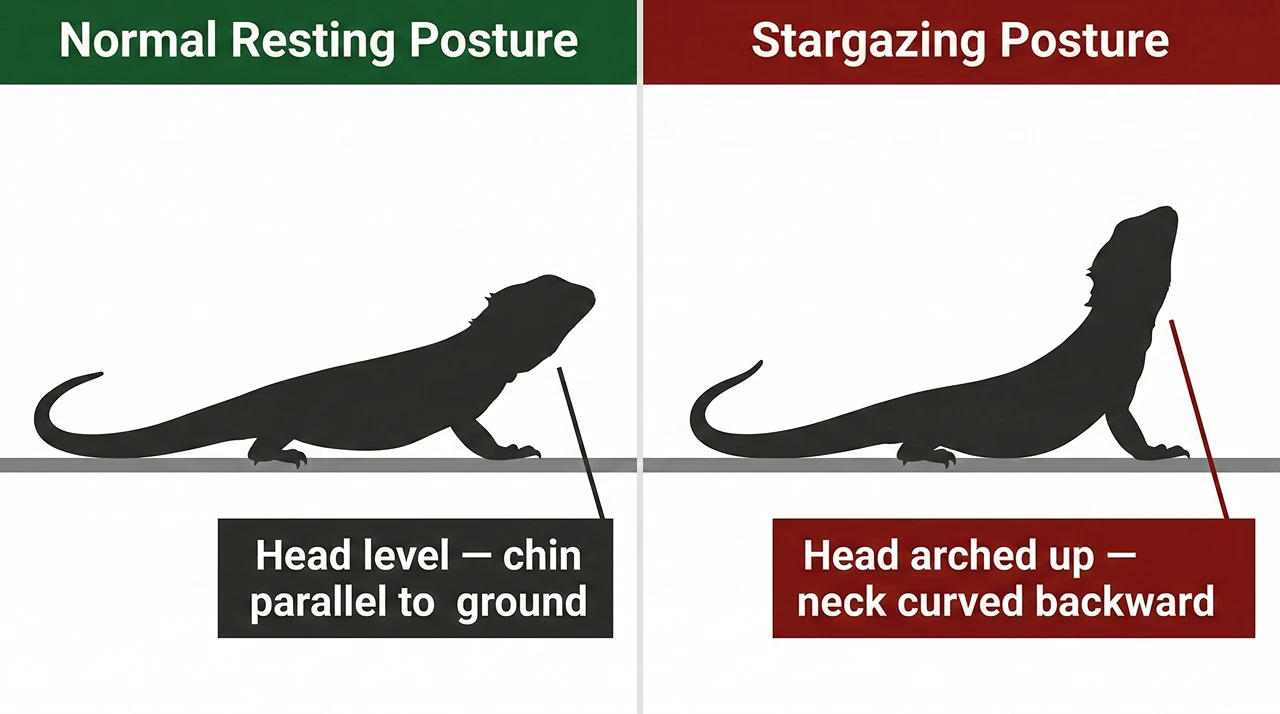
The neurological presentation is harder to miss. When the virus invades the brain and spinal column it causes a recognisable set of symptoms that distinguish it from most other conditions. These do not all appear together in every case, but any one of them in a young dragon warrants an urgent vet visit:
- Stargazing: the head arches upward and backward, the dragon appears to stare at the ceiling for extended periods
- Seizures: uncontrolled full-body convulsions lasting seconds to minutes
- Tail and toe twitching: rapid involuntary muscle movements at the extremities
- Rolling: the dragon loses postural control and rolls sideways or over completely
- Loss of coordination: stumbling, inability to right itself, dragging limbs
Fluid accumulation appears in some cases of advanced organ involvement. Swelling around the eyes, under the chin, or along the belly wall can indicate liver failure. Any visible swelling in these areas needs same-day veterinary attention.
Most ADV-Positive Dragons Look Completely Normal
A significant proportion of dragons carrying bearded dragon atadenovirus are asymptomatic carriers. They carry the virus, shed it, and can transmit it to other dragons, but show no clinical signs themselves, sometimes for their entire lives. Owners who receive a positive PCR result on a dragon that looks and behaves normally are not misreading the situation. That outcome is common in captive populations.
A carrier can remain asymptomatic for years, then enter an active episode triggered by a stressor: a new environment, a heavy parasite burden, a respiratory infection, or a period of poor husbandry. After the episode resolves with supportive care, the dragon may return to a carrier state and show no further symptoms for a long time. The virus does not follow a predictable linear progression in every animal.
What a Positive PCR Result Actually Means
The standard diagnostic test for bearded dragon atadenovirus is a PCR (polymerase chain reaction) that detects viral DNA directly rather than looking for an antibody response. A vet or lab technician takes a cloacal swab or collects a fresh fecal sample and sends it to an external laboratory. Results typically return within seven to ten days.
A positive result means viral DNA was detected in the sample. It confirms the dragon carries the virus. It says nothing about disease severity, current organ function, or prognosis. A negative result on a dragon with no known exposure history is reliable. On a dragon with unknown exposure history, treat it with more caution. The virus may be present below the test’s detection threshold, or the sample may have been taken between active shedding periods.
Why Recurring Coccidia Points to ADV
Coccidia, a common intestinal parasite, is manageable in a healthy, immunocompetent bearded dragon. The immune system controls the parasite load, the vet prescribes a course of ponazuril, and the dragon clears it. In an ADV-positive dragon that process breaks down. The suppressed immune system cannot build the resistance needed to keep coccidia under control long term, which means the same dragon may require repeated treatment and never fully clear the parasite.
A juvenile with recurring coccidia that responds to treatment but returns repeatedly, combined with slow growth and persistent low appetite, is a strong candidate for ADV testing regardless of whether neurological symptoms are present. Treating the parasite without testing for ADV means treating the symptom while missing the underlying cause. The same principle applies to other recurring parasitic infections and chronic bacterial illness.
How Atadenovirus Spreads Between Dragons
The primary transmission route is fecal-oral. A dragon ingests material contaminated with virus shed in another dragon’s feces. Vertical transmission from mother to offspring is well established, which is why so many captive-bred dragons are positive from hatching. The virus is also environmentally persistent, surviving on surfaces, equipment, and hands long enough to transfer between enclosures without direct dragon-to-dragon contact.
Shared feeding equipment, water bowls moved between enclosures, and hands that handle multiple dragons without washing between animals are all realistic transmission vectors. At reptile expos and breeder facilities where multiple dragons share table space, transmission risk is high regardless of whether animals are in direct contact. Any dragon whose early history includes a pet shop, expo, or multi-animal breeder facility should be considered at risk and tested.
How to Manage an ADV-Positive Dragon Long Term
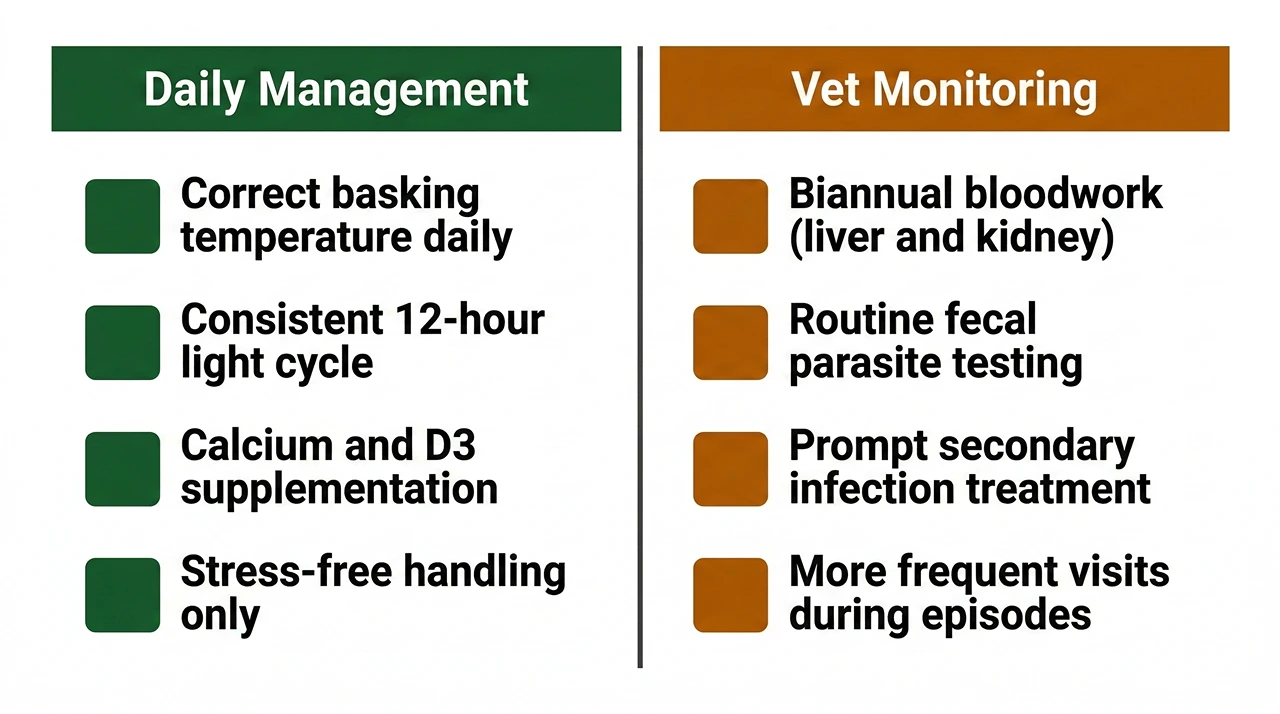
The management goal for an ADV-positive dragon is reducing the frequency and severity of active episodes by keeping every other variable in the animal’s favour. Husbandry quality matters more for a positive dragon than for a healthy one because the compromised immune system has less capacity to compensate for environmental shortfalls. Correct basking temperatures, consistent lighting cycles, low-stress handling, and a varied diet are the primary management tools available to you.
Regular veterinary check-ups form the second pillar. Bloodwork to monitor liver and kidney function, routine fecal testing for parasites, and prompt treatment of secondary infections before they become serious are all standard practice for a well-managed positive dragon. A stable carrier may need biannual visits, while a dragon in an active episode needs more frequent monitoring.
Supplementation consistency carries extra weight in a positive animal. The immune system relies on adequate calcium, vitamin D3, and a varied insect and vegetable diet to function at whatever level is available to it. A positive dragon on a poor diet is fighting the virus with both hands tied.
Signs That Need a Vet Today
Most ADV management is not urgent. The following situations are. If a positive dragon develops any of these, do not wait for a scheduled appointment:
| Symptom | What It May Indicate | Action |
|---|---|---|
| Stargazing lasting more than a few minutes | Active neurological involvement | Same-day vet contact |
| Seizure activity | Neurological episode, can cause injury | Emergency vet visit |
| Visible swelling around eyes, chin, or belly | Fluid accumulation, possible liver failure | Same-day vet contact |
| Complete food refusal beyond 10 days | Active episode or secondary infection | Vet appointment within 48 hours |
| Rapid unexplained weight loss | Active wasting, organ involvement likely | Vet appointment within 48 hours |
| Inability to stand or right itself | Severe neurological or muscular involvement | Emergency vet visit |
A dragon showing neurological symptoms for the first time needs a vet assessment to confirm the cause, rule out metabolic bone disease, and determine whether supportive care at home is appropriate or hospitalisation is needed. Never assume a first neurological episode will resolve without assessment.
When Euthanasia Is the Kindest Option
Most articles on atadenovirus avoid this topic entirely, or mention it briefly at the end as though few owners ever face it. Some ADV-positive dragons reach a point where active episodes are frequent, recovery between them is incomplete, body weight cannot be maintained despite assist feeding, and the dragon’s quality of life is poor. At that point euthanasia is not a failure of care. It is the most compassionate available decision.
That point is not reached by every positive dragon, or even by most. Knowing it exists as a real possibility and discussing it with your vet before a crisis — rather than during one — is part of responsible ownership. A reptile-experienced vet can help you identify the quality-of-life markers that matter, so the decision is made clearly rather than under pressure.
Frequently Asked Questions
Can a bearded dragon with atadenovirus live a normal life
Many ADV-positive dragons live as asymptomatic carriers for their entire lives with no significant health problems. The outcome varies considerably between individuals — some experience occasional manageable episodes, others develop chronic symptoms requiring ongoing veterinary care. A positive diagnosis does not determine the outcome on its own.
How do I know if my dragon has ADV without a vet visit
You cannot confirm atadenovirus without a PCR test. Symptoms like lethargy, weight loss, and appetite loss overlap with many other conditions. Neurological symptoms like stargazing are more specific to ADV but still require veterinary diagnosis to rule out metabolic bone disease as a concurrent cause.
Can atadenovirus spread to other pets or to humans
No. Bearded dragon atadenovirus is species-specific and does not cross-infect other reptile species, other animals, or humans. The hygiene precautions around ADV exist entirely to protect other bearded dragons from exposure, not human household members.
Should I test a new bearded dragon for ADV before bringing it home
Yes, particularly if you already keep other bearded dragons. Testing before introduction is the only way to know the new animal’s status before it can expose your existing dragons. Any dragon with unknown ADV status should be housed in isolation until results return.
Is there any treatment that clears atadenovirus from a dragon
No cure exists and the virus remains in the animal for life once contracted. Treatment is entirely supportive: managing secondary infections, maintaining hydration and nutrition during active episodes, and keeping husbandry optimal to reduce the frequency of flare-ups. Some vets use antiviral medications such as oseltamivir in severe cases, but these do not eliminate the virus.
What to Do After a Positive Test
- ✅ Do not panic. A positive PCR result tells you the virus is present. It does not tell you how the dragon will be affected. Many positive dragons are never visibly unwell.
- ✅ Isolate the positive dragon immediately if you keep other bearded dragons. House them separately with no shared equipment, food bowls, or décor. Wash hands between handling any dragon.
- ✅ Test all other bearded dragons in the household. A positive result on one animal means all others have had potential exposure. Knowing their status tells you how to manage housing going forward.
- ✅ Book a baseline vet appointment with a reptile-experienced vet. Bloodwork to assess liver and kidney function gives you a starting point to monitor against over time.
- ✅ Watch for early signs of an active episode: appetite drop, lethargy, unexplained weight loss, or any refusal to bask. Catching an episode early gives supportive care the best chance of resolving it before organ involvement progresses.
- ✅ Have the quality-of-life conversation with your vet early, not in a crisis. Knowing the markers your vet uses to assess suffering means you are prepared if the dragon’s condition deteriorates, rather than making that decision under pressure.
Written by
Sarah ArdleySarah has kept bearded dragons for over ten years. She founded Beardie Husbandry after discovering that most mainstream care advice — including what she followed with her first dragon — was doing more harm than good. Every article on this site is grounded in veterinary research and real keeper experience.