Bearded Dragon Digging – What Your Dragon Is Telling You
Bearded dragon digging is one of those behaviours that looks alarming the first time you see it, especially when it starts suddenly and with real intensity. Most of the time it means your dragon is responding to a biological signal, and the digging is the outward sign. It is rarely random and almost never meaningless. The hard part is working out which signal, because the same pawing-at-the-substrate behaviour can mean something completely different depending on your dragon’s sex, age, and the time of year.
Most digging is completely normal. A handful of situations are not, and catching them early is what separates a straightforward observation from a genuine emergency.
What Bearded Dragon Digging Actually Looks Like
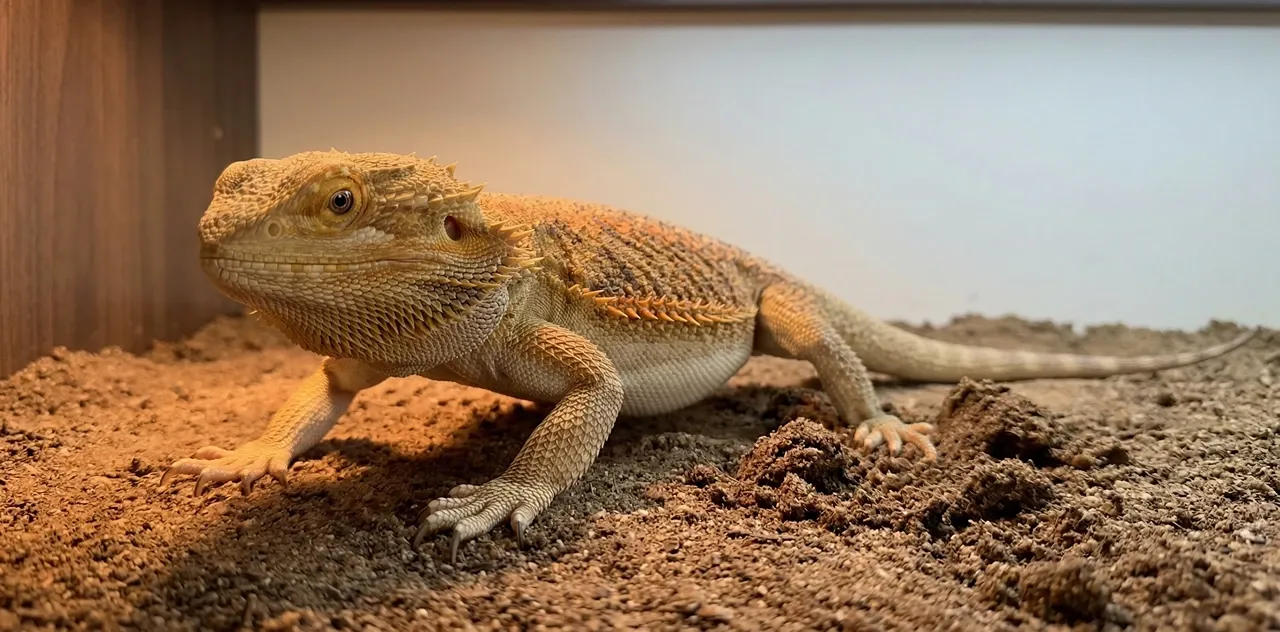
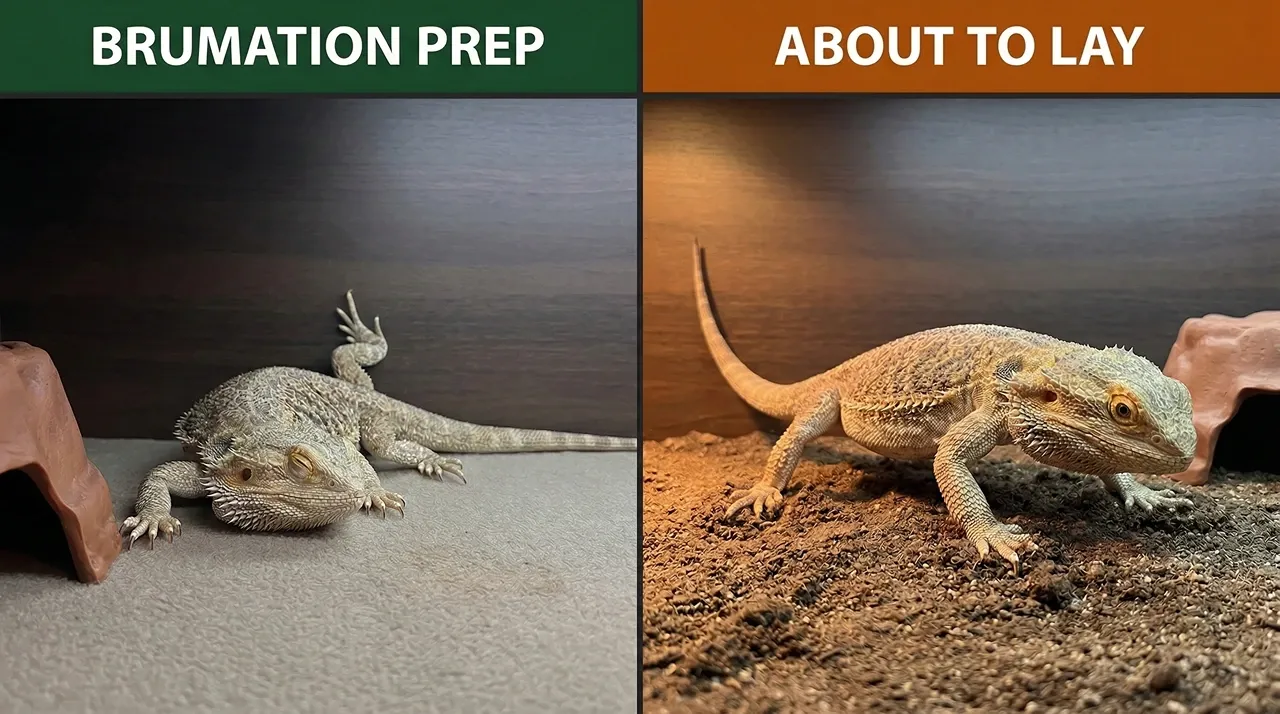
Bearded dragon digging varies quite a bit in character depending on what is driving it. Brumation-prep digging is slow and methodical. A dragon will repeatedly scrape at one corner, usually the cool end, sometimes doing it across several days before finally settling. Egg-laying digging is urgent and frantic by comparison. She tests multiple spots in rapid succession, scratches hard, moves to a new area, scratches again. Temperature digging looks more like restless circling: a dragon that cannot settle, keeps shifting position, and scratches intermittently without committing to one spot.
If your dragon has no loose substrate and is scratching at tile, carpet, or paper towel, the instinct is still real. They go through the full digging motion even without material to move. The cause is the same as it would be with loose substrate. Only the surface is different.
She’s Probably About to Lay Eggs
If you have a female over twelve months old who has started digging with genuine urgency, testing multiple spots, scratching hard, refusing food, pacing, she is almost certainly gravid. Female bearded dragons produce unfertilised eggs without any contact with a male, and the digging instinct is identical whether the eggs are fertile or not. The biology does not distinguish.
A clutch typically contains 15 to 25 eggs, and a single season can produce two to four clutches spaced roughly four to six weeks apart. The digging phase usually lasts one to three days before she commits to a spot and lays. Knowing what to do once she has laid matters as much as managing the digging itself. The post-laying care steps differ significantly depending on whether the clutch is fertile or infertile, and her behaviour in the weeks that follow gives you clear signals about which it is.
What to Do When She Starts Digging
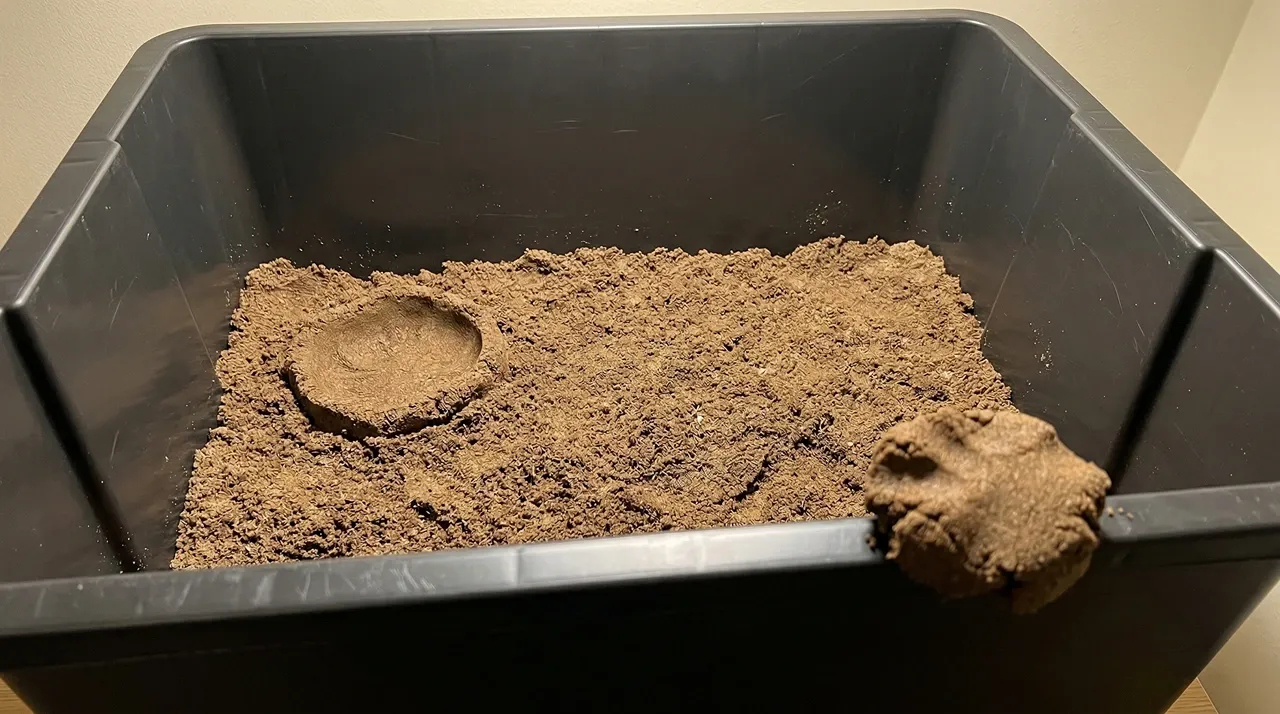
Set up a lay box immediately. Do not wait until she has been digging for a week. A plastic storage tub roughly 30–40cm deep, filled with slightly damp topsoil or a 50/50 mix of play sand and topsoil, is sufficient. The substrate needs to hold a tunnel without collapsing when she presses against the walls. Squeeze a handful: if it crumbles dry, add more water. If water runs out of it when you squeeze, it is too wet. You want it to hold its shape when compressed.
Put the lay box inside her enclosure so she can access it at any time, or temporarily move her into a separate container with the correct substrate depth. Keep handling to an absolute minimum during this period. Gravid females are under real physical strain, and regular interaction compounds the stress at the worst possible time.
When Digging Becomes an Emergency
A female digging continuously for more than 72 hours without laying, appearing visibly bloated around the abdomen, or becoming lethargic and unresponsive may be egg-bound. Dystocia, the medical term for egg binding, is life-threatening without intervention. It requires a vet, not a wait-and-see approach. Not every general practice vet is comfortable assessing a gravid reptile, so if you do not already have a reptile-experienced vet, the ARAV vet directory is the fastest way to find a qualified specialist near you. Do not attempt to palpate the abdomen yourself. If the 72-hour mark passes with no eggs and she is still digging or has stopped and appears exhausted, book a same-day appointment.
Brumation Is Coming
Brumation digging has a specific rhythm to it. It tends to start in late summer or early autumn, August through October in the northern hemisphere, and ramps up gradually over days or weeks before the dragon settles. The typical pattern is methodical corner scraping, usually at the cool end, returning to the same spot repeatedly. Alongside the digging you will usually see a reduced appetite, longer basking sessions followed by retreating to the cool end, and a general slowing of movement across the day.
The instinct is hardwired and you cannot talk it out of them. Wild Pogona vitticeps experience genuine seasonal temperature drops in central Australia that trigger dormancy cycles, and captive dragons retain the same photoperiod sensitivity regardless of how stable their enclosure temperatures are.
Blocking their chosen corner or disturbing them repeatedly does not stop brumation from happening; it just adds stress to the process. A dragon that is clearly heading down needs its gut completely empty before it goes fully dormant, which is the part most first-time owners get wrong when they allow brumation to begin without proper preparation.
Brumation Digging in Dragons Under 12 Months
A dragon under twelve months old should not be brumating. Their fat reserves are not sufficient to sustain dormancy, and the metabolic slowdown will compound any nutritional deficiencies already present. If a juvenile is showing digging behaviour alongside reduced appetite in autumn, a vet check is the right first step, not an assumption that brumation is the cause. Illness and brumation onset look almost identical in young animals. Assuming brumation and letting a sick juvenile slow down without treatment is a mistake a young dragon in poor condition may not recover from.
The Enclosure Is Telling You Something
Digging that has no link to season, sex, or brumation is usually an enclosure problem. Three situations produce this pattern most often: the basking temperature is wrong, the cool end is inadequate, or there is nowhere to hide properly.
A basking spot running above 115°F for adults causes a dragon to scratch at the substrate trying to get below the surface heat. The reverse is equally common: a spot running too cool produces a dragon that cannot thermoregulate, keeps repositioning, and appears to dig restlessly without ever committing. A quality digital probe thermometer on the slate surface will confirm whether temperature is driving the behaviour far faster than any amount of observation, and verifying the full heat gradient across both ends matters as much as the basking spot alone.
No Suitable Hide at the Cool End
A dragon with nowhere to retreat will dig to create one. This is especially common in enclosures that are technically large enough but have no structure: a flat surface with one open hide and nothing else. Two solid hides, one at each end, plus some physical barrier the dragon can get behind, reduce this type of digging significantly. If you are running a bioactive setup where the substrate is deep enough to actually burrow into, some of this digging is just normal use of the environment rather than a stress signal.
Digging at the Glass Is a Different Problem
Substrate digging and glass surfing are not the same behaviour, and they require completely different responses. Substrate digging is purposeful — the dragon is working toward something specific. Glass surfing is frustration. You will know the difference: a glass-surfing dragon runs back and forth along the front pane, body pressed against it, legs scrambling, sometimes for ten or twenty minutes without stopping. It looks frantic because it is.
The most common causes are an enclosure that is genuinely too small, a reflection the dragon reads as a rival, or a new environmental stressor: a pet now visible from the tank, a change in the room, different furniture near the enclosure. Covering the lower third of the front glass with an opaque background removes the reflection problem entirely for many dragons.
Adult bearded dragons need considerably more floor space than most commercial setups provide, and a dragon kept in an undersized enclosure will glass surf relentlessly regardless of how good the husbandry is otherwise. Glass surfing that comes paired with a darkened beard, flattened body posture, or refusal to eat points toward sustained stress, and those combined stress signals often indicate the problem is more layered than a single fix will resolve.
Night Digging Usually Has One Cause
Dragons are not naturally nocturnal, so scratching at night is worth investigating rather than dismissing. In most cases it is either a gravid female close to laying, who will sometimes dig through the night when laying is imminent, or a dragon heading into brumation that has not fully settled on a spot yet. Both are normal given the right context.
If none of those apply, wrong sex, wrong season, or too young to brumate, check your overnight cool-end temperature before assuming anything else. Dropping below 65°F at the cool end will make a dragon uncomfortable enough to pace and scratch intermittently throughout the night. A cheap digital min/max thermometer left in the enclosure overnight will give you the actual overnight low rather than a guess.
What Your Dragon’s Digging Is Telling You
| Digging Pattern | Who | When | Most Likely Cause | What to Do |
|---|---|---|---|---|
| Slow, methodical corner scraping | Any dragon | Autumn / winter | Brumation prep | Prepare for brumation. Do not intervene. |
| Frantic multi-spot testing, won’t settle | Female, 12+ months | Spring / summer | Gravid, about to lay | Set up lay box immediately |
| 72+ hours of digging, no eggs laid | Female | Any time | Possible egg binding | Same-day vet appointment |
| Restless shifting, no committed spot | Any dragon | Any time | Temperature wrong | Check basking and cool-end temps with probe |
| Vertical glass scrambling | Any dragon | Any time | Stress / enclosure too small | Check tank size, cover glass reflection |
| Night digging only | Female or any adult | Autumn or pre-lay | Gravid or brumation; cold if neither | Check overnight cool-end temperature |
| Digging + appetite loss in juvenile | Under 12 months | Any time | Do not assume brumation | Vet check before drawing conclusions |
Frequently Asked Questions
Why Is My Bearded Dragon Digging at the Glass
Glass surfing is a stress behaviour, not a natural digging instinct. The distinction matters because the fix is completely different. Cover the lower third of the front glass with opaque background material first, since reflection is the most common trigger. If that does not stop it within a couple of days, the enclosure size and any new environmental stressors in the room are the next things to check.
Can a Female Dig Without Ever Laying Eggs
Yes. Some females go through the full digging sequence, testing spots, scratching intensely, refusing food, and reabsorb the follicles before they develop into eggs. This is more common in younger or less physically robust females. If she digs intensely for 48 hours and then returns to normal eating and behaviour, reabsorption is the most likely explanation.
Is My Dragon Digging Because It Is Bored
Boredom rarely produces sustained purposeful digging. What looks like boredom digging is almost always an enclosure problem: inadequate hides, wrong temperature, or insufficient space. Addressing the husbandry issue resolves the behaviour faster than adding enrichment on top of an inadequate setup.
Should I Stop My Dragon When It Digs
Not unless the substrate is dangerous. Very fine dry sand that can be inhaled or swallowed in quantity warrants switching to a safer option, but the digging itself should not be interrupted. Intervening repeatedly adds stress without stopping the underlying biological drive. The goal is to understand the cause, not suppress the behaviour.
How Do I Know If My Dragon Is Egg-Bound
The clearest immediate sign is a female that has been digging intensely and then suddenly stops, not because she laid, but because she has no more energy to continue. If she is not responding to touch normally, looks bloated around the abdomen, or has been digging for more than 72 hours with no eggs appearing, call a reptile vet now rather than waiting to see how she is tomorrow.
What to Do Right Now
Start with the table above and match your dragon’s specific digging pattern to a cause. Most owners can narrow it down to one or two possibilities within a few minutes of observation. If you have a female and the digging is urgent and frantic, get a lay box set up before the next day. Substrate depth matters more than the container shape, and 25cm minimum gives her room to work properly.
If brumation is coming, check that your dragon is over twelve months old and at a healthy weight before you let the process run. A vet check before brumation is not excessive if this is your dragon’s first time and you are unsure about their condition. Dragons on an inadequate supplement schedule going into brumation with low calcium reserves are at real risk of complications when they wake up.
If the digging does not fit any obvious biological pattern, wrong sex, wrong season, no temperature problems you can identify, book a vet check rather than waiting months to see if it resolves. Unexplained behaviour changes that persist are worth investigating early.
Written by
Sarah ArdleySarah has kept bearded dragons for over ten years. She founded Beardie Husbandry after discovering that most mainstream care advice — including what she followed with her first dragon — was doing more harm than good. Every article on this site is grounded in veterinary research and real keeper experience.