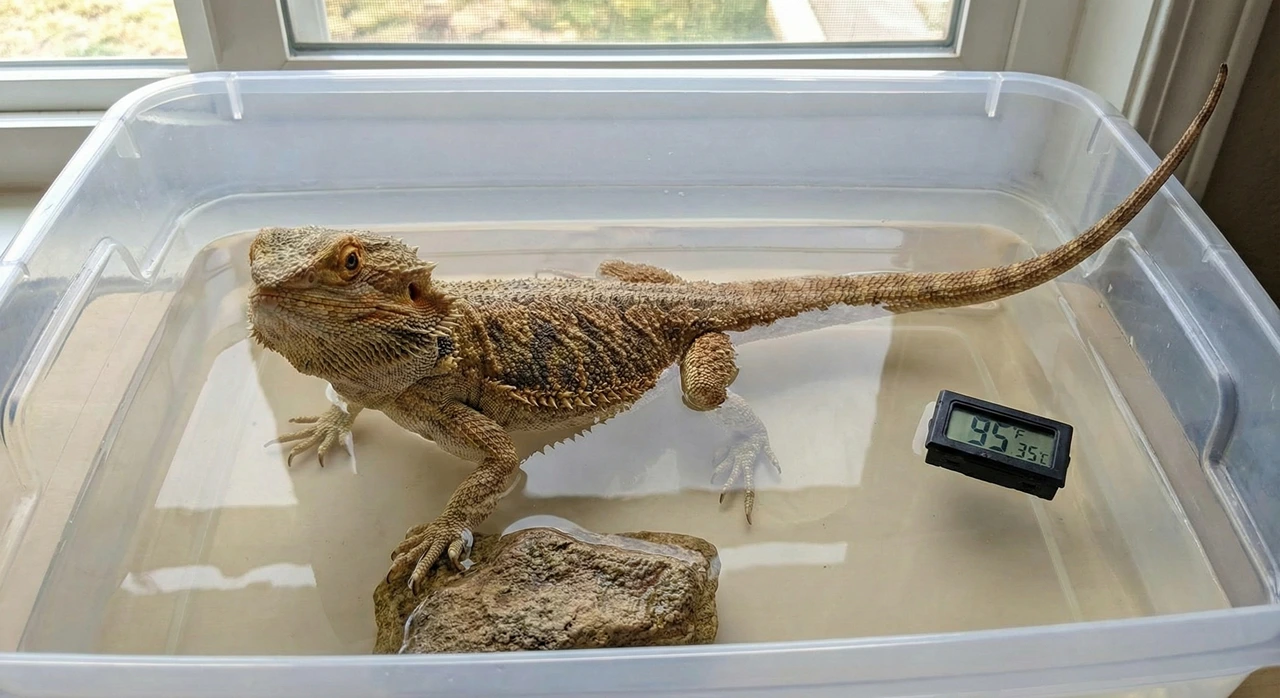
How to Bathe a Bearded Dragon Safely
Most keepers overthink the first bath. Knowing how to bathe a bearded dragon safely really isn’t complicated once you understand what actually needs measuring and what you can ignore. Temperature and depth have specific numbers. Your dragon’s behaviour during the soak tells you whether to continue or cut it short.
Done right, the whole thing takes fifteen minutes, and your dragon comes out more hydrated and back under its basking light before it even registers the interruption to its day.
What a Warm Bath Actually Does
Bearded dragons don’t come from wet environments, but captivity removes the moisture sources they would normally encounter in the wild. Most beardies drink poorly from a standing water bowl, and a warm soak fills that gap far more reliably than many keepers expect.
Most dragons drink actively during a bath, sometimes taking in more water than they would from a bowl over several days. For a dragon already showing dehydration signs like sunken eyes or wrinkled skin near the shoulders, a warm soak is often the fastest single intervention before anything else.
Bathing also stimulates gut motility. A warm soak encourages movement through the digestive tract, which is why it is typically the first recommendation when a dragon hasn’t defecated in several days. If bearded dragon impaction is a concern, a warm bath is step one, not a last resort.
During an active shed, warm water softens retained skin and speeds separation without the picking and pulling that causes damage. A beardie in mid-shed benefits from more frequent baths than usual, especially if stuck shed is forming around the toes or tail tip.
What You Need Before the Bath
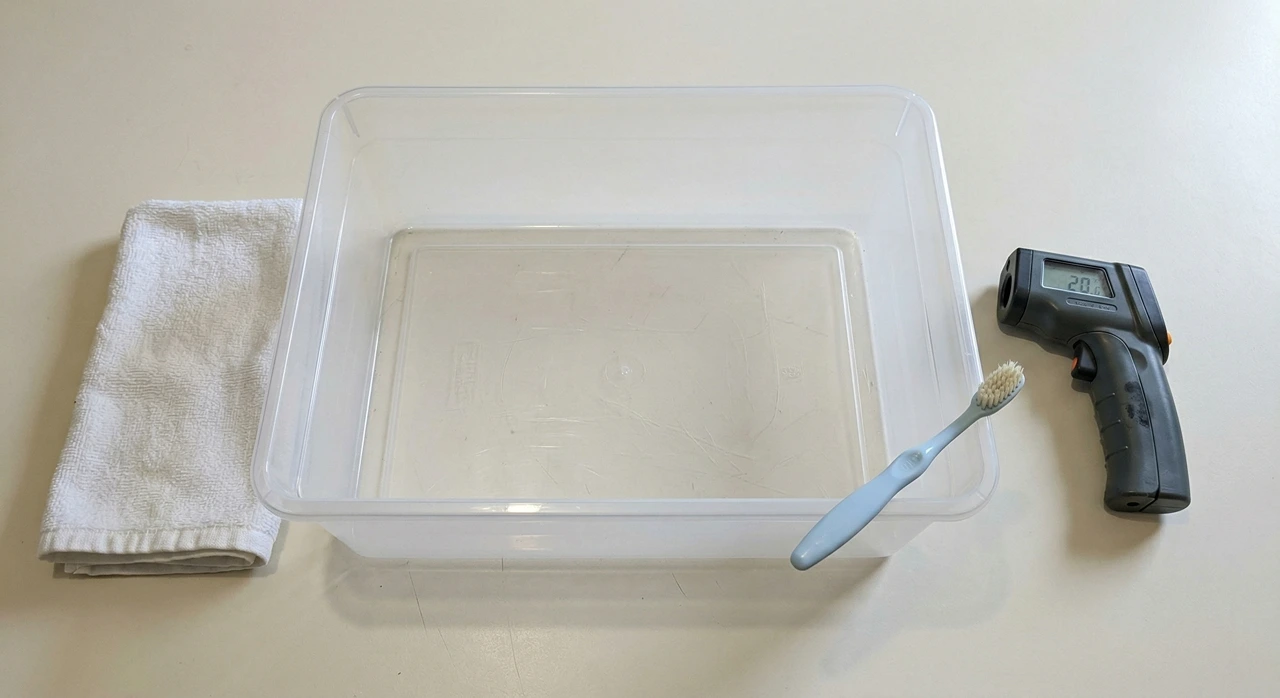
A dedicated plastic container is all you need for the tub itself. Something large enough for your dragon to turn around in, with low sides for easy lifting out. An underbed storage box or a plastic washing-up tub both work well, and they are easy to disinfect between uses with a diluted white vinegar solution.
Don’t use your household sink or bathtub. Residues from soaps and cleaners cling to those surfaces, and bearded dragons drink during baths regularly. A dedicated container keeps the soak clean and limits chemical exposure entirely.
A digital thermometer is not optional. What feels warm on your wrist can sit ten degrees below the safe zone for your dragon, and guessing is exactly how you end up chilling them instead of helping them. A basic infrared temp gun works perfectly and doubles for checking basking surface temperatures in the enclosure.
A soft toothbrush or baby-bristle brush rounds out the kit. You won’t use it every bath, only when there is shed debris around the toes or armpits, or after a dragon has walked through its own waste in the enclosure.
Getting the Temperature and Depth Right
These are the two measurements that make a bearded dragon bath safe or dangerous. Both have specific numbers, and both are easy to verify before your dragon enters the water.
How Deep for an Adult Dragon
Fill to 1–2 inches for a fully grown adult. The water should reach no higher than the joint where the front leg meets the shoulder. At this depth your dragon can hold its head above the surface without effort, even if it relaxes and stops paddling entirely.
Water temperature for adults should sit at 90–95°F (32–35°C). The wider range of 85–100°F you’ll see elsewhere is technically safe, but the lower end makes for an uncomfortable soak and the upper end risks stress. Start at around 95°F so the water stays in range for the full session as it gradually cools.
How Deep for Babies and Juveniles
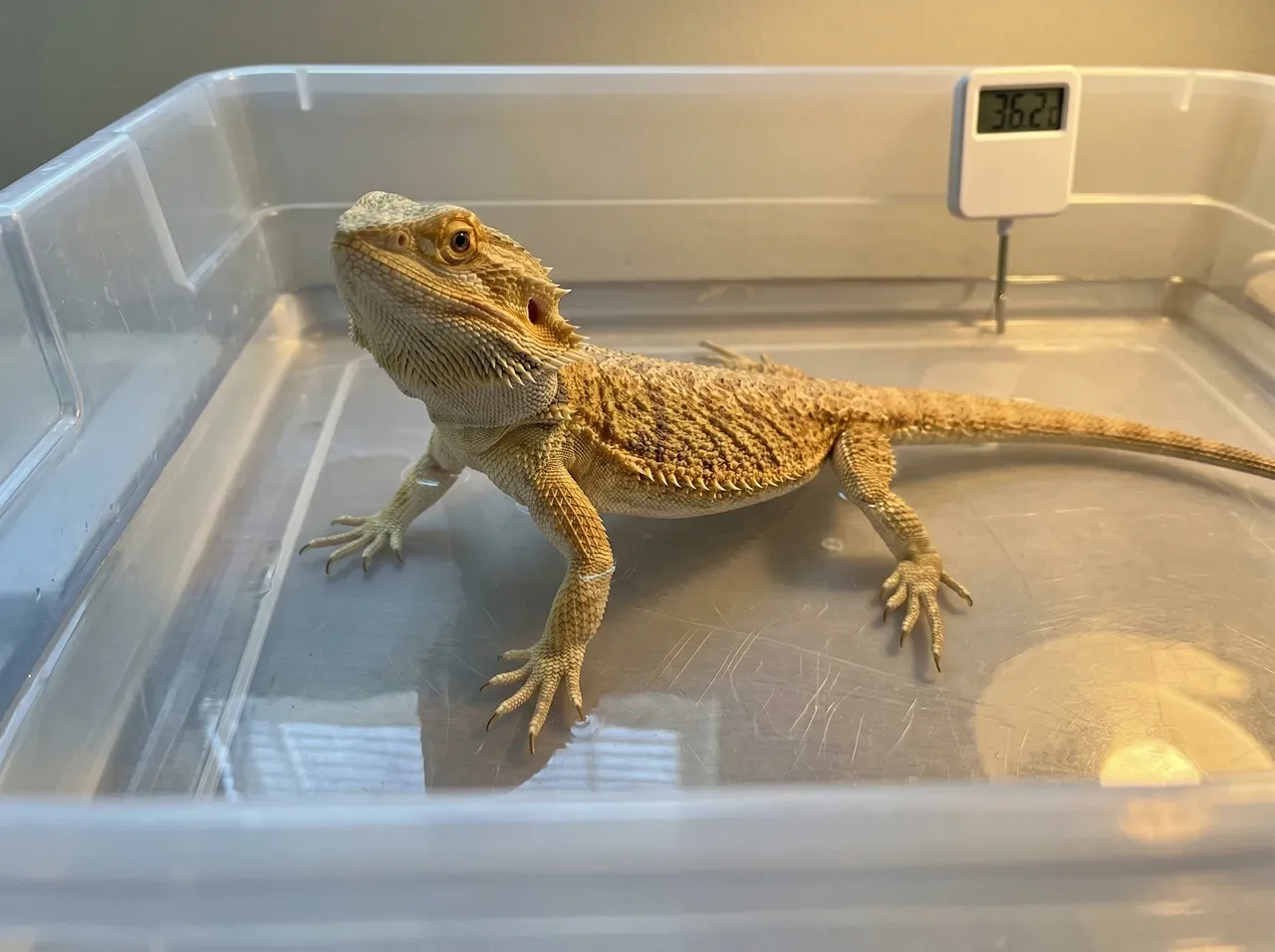
For juveniles between three and eighteen months, fill to half an inch to one inch. They are smaller, tire faster in water, and panic more easily than adults in unfamiliar situations. Keep sessions to ten minutes until they settle into the routine.
For hatchlings and babies under three months, a quarter to half an inch is enough. Babies can drown in less water than most people expect, and one hand should remain near them throughout the entire session. Maintain the same 90–95°F temperature range regardless of age.
How to Bathe a Bearded Dragon
Once the container is filled and the temperature is confirmed, the process is simple. Rushing the entry step is where most first baths go wrong, so take it one stage at a time.
- Verify temperature before adding your dragon. Check with a thermometer, not your hand. Confirm the reading, then lift your dragon.
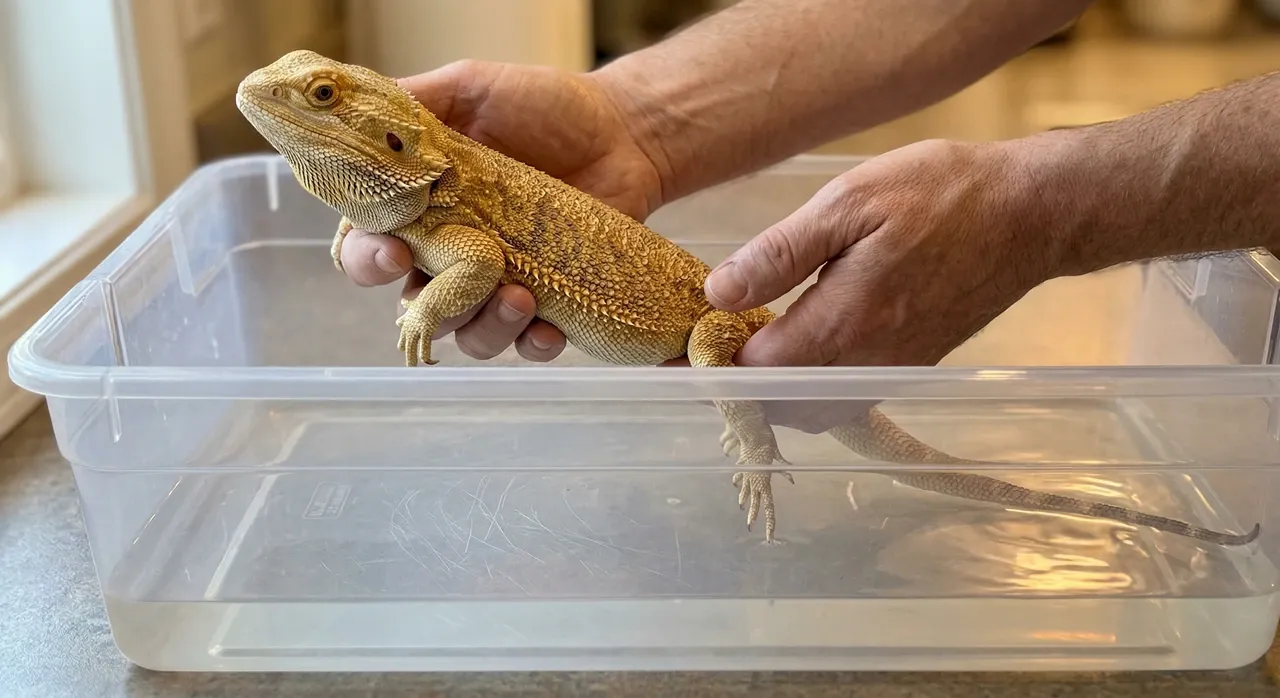
- Lower them in feet-first, not head-first. Hold them horizontally and let the feet and tail contact the water first. This is far less startling than an overhead entry and much less likely to trigger a panic response.
- Let them settle for two to three minutes before doing anything else. First-timers often freeze or immediately try to climb out. Give them time. Most dragons that resist initially calm down once they register the water is warm and nothing threatening is happening.
- Cup warm water over the back and sides using your hand or a small cup. Avoid the face. Getting water into the nostrils of a dragon that is already unsettled turns a manageable situation into a stressed animal very quickly.
- Use the toothbrush only if there is shed debris or visible soiling. Work gently around the toes, armpits, and beard area after the dragon has relaxed for a few minutes. Never introduce the brush during a first bath.
- Monitor water temperature throughout. If it drops below 85°F, add warm water from a pre-prepared jug. A cold soak provides none of the benefits and leaves your dragon needing to warm up from a deficit once it ends.
- Stay with them for the entire session. Never step away, even briefly. Dragons can flip face-down in shallow water faster than most owners expect.
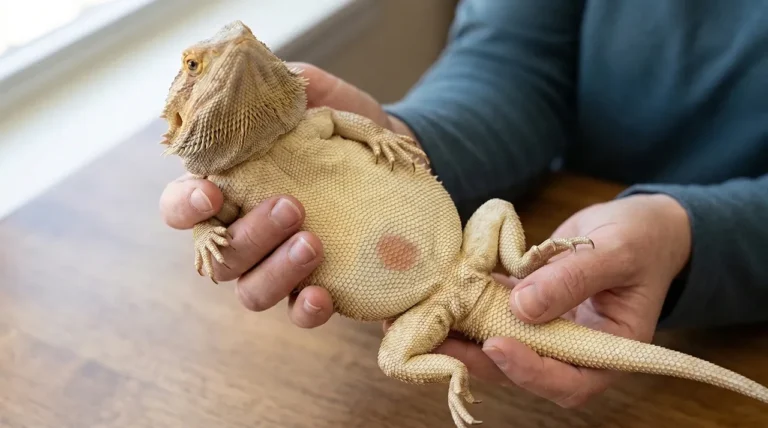
- Lift them out supporting the full body and dry immediately. Pat rather than rub, starting with the armpits and beard folds where moisture sits longest.
How Long Should Each Bath Last
Ten to fifteen minutes covers the majority of bathing purposes for an adult. Twenty minutes is fine for adults that clearly enjoy soaking, but beyond that point there is no meaningful increase in hydration benefit, and water temperature becomes harder to maintain.
If your dragon tries to climb out before the ten-minute mark, end the bath. It is communicating clearly that it has had enough, and forcing a longer soak will not improve outcomes. It also makes future baths harder to manage, because the association becomes negative.
For dragons being bathed to encourage a bowel movement, twenty minutes with a gentle circular rub along the lower abdomen is more effective than a longer passive soak. Temperature carries more influence on gut motility than duration does, so keep the water warm throughout.
How Often Should You Bathe Your Dragon
Two to three times per week works for most healthy adult dragons under normal conditions. The right frequency shifts depending on what your dragon is dealing with at a given time.
| Situation | Recommended Frequency | Session Length |
|---|---|---|
| Healthy adult (normal conditions) | 2–3x per week | 10–15 min |
| Active shedding | Daily or every other day | 15–20 min |
| Mild constipation or impaction concern | Daily until resolved | 20 min |
| Juvenile (3–18 months) | 2–3x per week | 10–15 min |
| Baby (under 3 months) | 3x per week | 5–8 min |
| Newly arrived dragon | Wait 2 weeks, then introduce slowly | 5–10 min to start |
| Brumating dragon | Never (unless vet advises) | N/A |
| Dragon showing RI signs | Never until cleared by a vet | N/A |
What to Do Right After the Bath
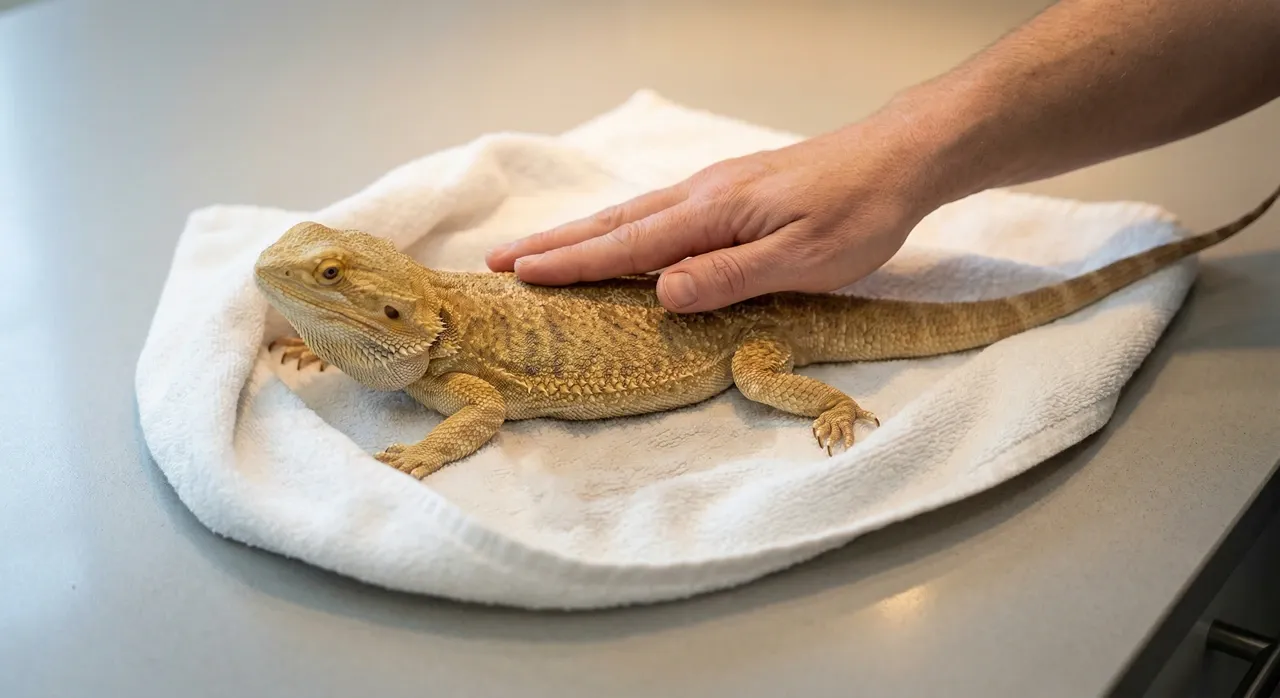
Drying matters more than most people realise on the first few baths. A wet dragon placed back into a substrate enclosure picks up particulate and ends up worse off than before it went in. A wet dragon also loses body heat faster than most owners expect, particularly in a cool room.
Pat dry with a soft towel rather than rubbing. Pay particular attention to the armpits, the folds under the beard, and between the toes. These areas hold moisture longer than the body surface, and if bathing is frequent and drying is careless, they become a starting point for fungal issues over time.
Place your dragon directly under the basking light as soon as it is dry, not just back into the enclosure generally. The surface temperature under the basking spot, ideally 105–110°F for adults, brings their core back up within fifteen to twenty minutes. A dragon that skips this step and sits cool and damp after a bath is far more vulnerable to respiratory infection than one that was never bathed.
What Most Owners Get Wrong at Bath Time
Most bath-related problems come from a small number of consistent errors. These show up repeatedly in keeper forums and reptile vet case notes alike.
- Water too deep. The most dangerous mistake. Even three inches is enough for a juvenile to drown if it cannot keep its head up throughout the session. Depth to the knee joint is a strict rule, not a rough guideline.
- Using soap or shampoo. Beardies absorb chemicals through their skin and drink bathwater actively. Even products labelled natural or reptile-safe are not appropriate for a bathing soak. Plain dechlorinated or filtered water is all that is needed.
- Skipping the thermometer. Water that feels warm on your hand can sit several degrees below the safe zone for a reptile. Guessing is how a bath ends up chilling your dragon instead of helping it.
- Leaving them unattended. Even stepping away for thirty seconds is enough time for a dragon to flip face-down in shallow water. Stay present for the full session.
- Skipping the drying step. Returning a wet dragon to its enclosure, particularly one with loose substrate, leads to sticky skin, slowed thermoregulation, and increased infection risk over time.
- Bathing a visibly sick dragon. A dragon showing mucus around the nostrils, laboured breathing, or extreme lethargy needs a vet assessment, not a bath. The temperature drop and handling stress will compound an existing illness rather than address it.
⚠️ Salmonella Reminder
Bearded dragons naturally carry Salmonella bacteria without showing any signs of illness themselves. Always wash your hands thoroughly with soap and warm water after handling your dragon or cleaning the bathing container. This applies to everyone in the household, especially children. The CDC guidance on reptile hygiene covers this in full.
When You Should Not Bathe Your Dragon
Three situations call for skipping the soak entirely. In each case, the temperature drop and handling stress from a bath will compound the problem rather than address it.
⚠️ Skip the Bath in These Situations
- During brumation. A dragon deep in brumation has dramatically slowed metabolism and reduced immune function. Water exposure during this period can cause serious respiratory problems. Do not bathe a brumating dragon unless a reptile vet specifically advises it.
- Visible signs of respiratory illness. Mucus around the nostrils, clicking or wheezing sounds, and open-mouth breathing are all reasons to call a vet rather than fill the tub. A bath lowers body temperature and compounds the problem.
- First two weeks in a new home. A newly arrived dragon is already under significant environmental stress. Forced baths during this settling period add to that load. Let the dragon establish a baseline before introducing the routine.
Questions Most New Owners Ask
Does the Water Need to Be Dechlorinated
Technically yes. Chlorine and chloramine in tap water are not beneficial for bearded dragons, and since they drink during baths, some intake is inevitable. A water conditioner like ReptiSafe removes both within seconds. Alternatively, leaving tap water uncovered for twenty-four hours dissipates most chlorine, though chloramine specifically requires a conditioner to neutralise.
Can You Bathe a Bearded Dragon Too Often
Daily bathing is not harmful for an adult that handles it well, particularly during an active shedding period. Problems arise when the dragon is not being thoroughly dried after each bath, or when enclosure temperatures are not warm enough to support proper thermoregulation between sessions. Frequency matters far less than drying and warm basking access afterward.
My Dragon Hates Baths. Is That Normal
Very common. Check the water temperature first, because even slightly cool water triggers an exit response in most dragons. If the temperature is correct and they still resist, shorten the session and try bathing in a quieter spot away from household noise or sudden movement. Consistent, low-pressure sessions over several weeks improve tolerance in most cases.
Do Baby Bearded Dragons Need Baths
Yes, but with tighter parameters than adults. Keep the water at a quarter to half an inch deep, maintain 90–95°F, and keep sessions under eight minutes. Supervision is more hands-on than with adults. Baby dragon husbandry requires closer oversight across the board, and bath time is no exception.
A Simple Bathing Routine for New Keepers
Start with twice a week and observe how your dragon responds. Some dragons settle immediately into the routine. Others take three or four sessions before they stop trying to climb out. Consistency matters more than frequency at the beginning.
Pre-prepare your water about ten minutes before you need it. Fill the container to the correct depth, confirm the temperature, and set a jug of warm top-up water nearby. Have your towel laid out before you lift your dragon out of the tub so the transition from bath to drying is seamless.
After each bath, note whether your dragon drank, whether it defecated during or shortly after, and how quickly it warmed back up under the basking light. Those three observations will tell you more about hydration and digestive health than most other routine checks combined.
Once the routine is established, many dragons begin to recognise their bathing container. Some will move toward it when they see it being prepared. That kind of association builds over weeks rather than days, but it is a reliable sign that the bath has become a neutral or positive part of their week rather than something to endure.
Written by
Sarah ArdleySarah has kept bearded dragons for over ten years. She founded Beardie Husbandry after discovering that most mainstream care advice — including what she followed with her first dragon — was doing more harm than good. Every article on this site is grounded in veterinary research and real keeper experience.