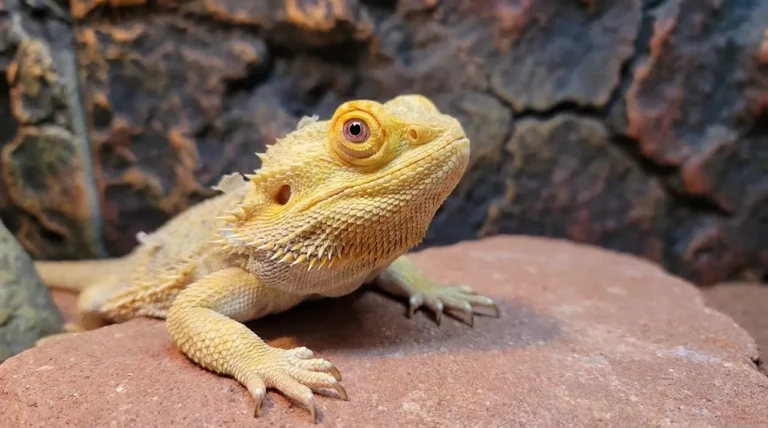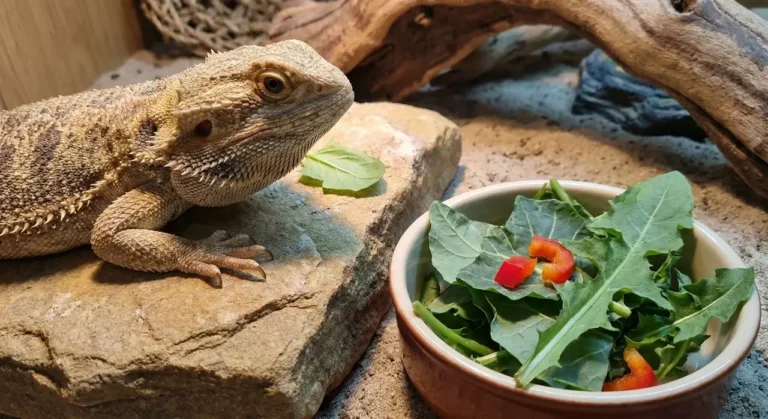
Can Bearded Dragons Eat Wild Bugs From Outside?
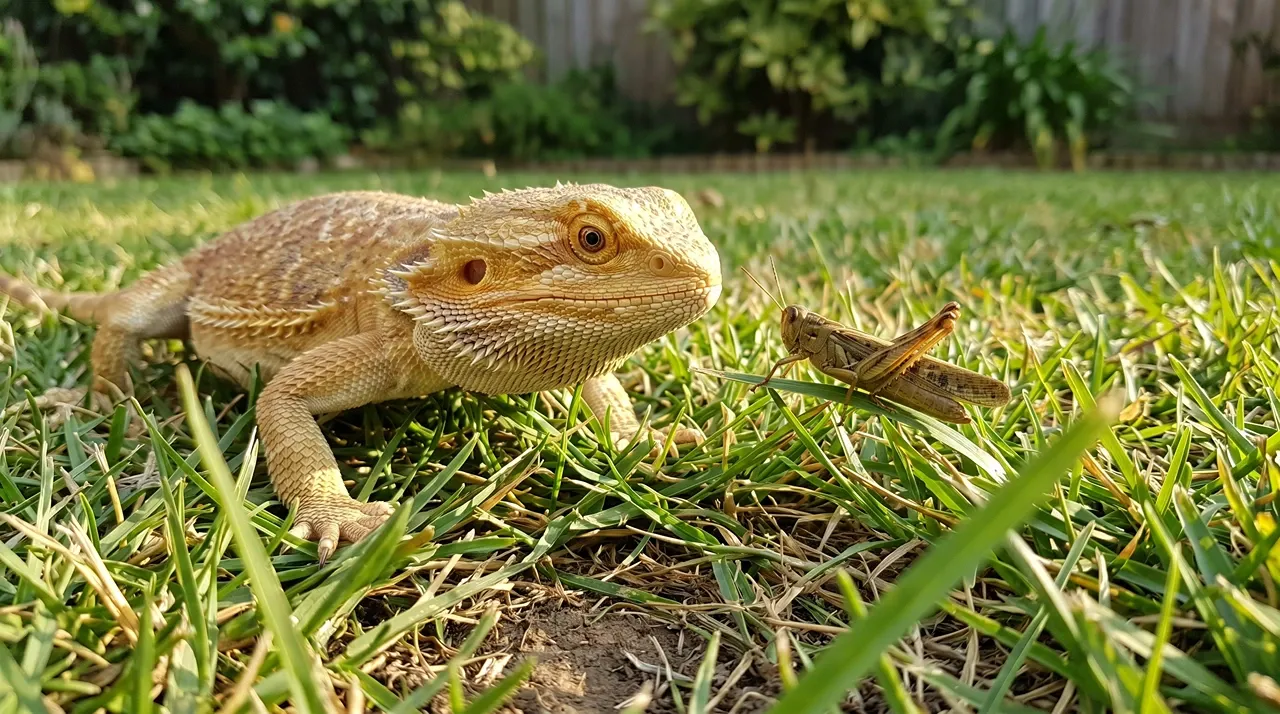
Every keeper has stood in the garden holding a fat grasshopper and thought about free food. So can bearded dragons eat wild bugs from outside? No, and the reasons go well beyond the usual one-line warning about pesticides.
One group of backyard insects can kill a healthy adult dragon within the hour. The rest cause slower trouble, mostly parasites and chemical exposure, which can take weeks to show up in appetite or stool.
Before you panic about the beetle your beardie grabbed last summer, most single accidents pass without harm. The risk depends almost entirely on which bug it was, so knowing the dangerous ones by sight matters far more than blanket fear.
Can a Bearded Dragon Eat Wild Bugs Safely
No. A wild-caught insect carries three risks you cannot see or wash off: pesticide residue, internal parasites, and natural toxins. Captive-bred feeders from the safe food list carry none of the first, almost none of the second, and zero of the third.
That answer sounds absolute because it needs to be. No inspection trick makes a garden bug safe. You cannot tell a clean grasshopper from one that hopped through a treated lawn an hour ago, and neither can your dragon.
Why Captive Dragons Can’t Copy Wild Ones
Wild bearded dragons in central Australia eat wild insects every day of their lives. That argument turns up in every forum thread on this topic, and it misses two things.
First, wild dragons carry parasite loads that would alarm any reptile vet. They survive with worms rather than free of them, and plenty die young under that burden. Surviving is not the same thing as being healthy.
Second, the Australian outback is not a suburban garden. Your local insects walk through lawn treatments, slug pellets, and ant bait on their way to your yard. Nothing about that food chain is natural anymore.
How Wild Bugs Actually Make Dragons Sick
Three separate mechanisms do the damage, and they work on very different timescales. Toxins act within minutes, pesticides within hours to days, and parasites over weeks or months.
Pesticides You Cannot Wash Off
Modern insecticides are often systemic, meaning they sit inside the insect’s body rather than on its shell. Rinsing the bug achieves nothing. A dragon that eats a few contaminated insects can show tremors, wobbly walking, or sudden lethargy within a day or two.
Keeping your own garden chemical-free does not close the loophole either. Insects travel, and a grasshopper has no respect for the fence line between your organic beds and the neighbour’s treated lawn.
Parasites Are the Most Common Outcome
This is the slow one, and it is what reptile vets see most. Wild insects act as intermediate hosts for stomach worms, pinworms, and coccidia. The bug carries the egg or larva, and your dragon completes the life cycle by eating it.
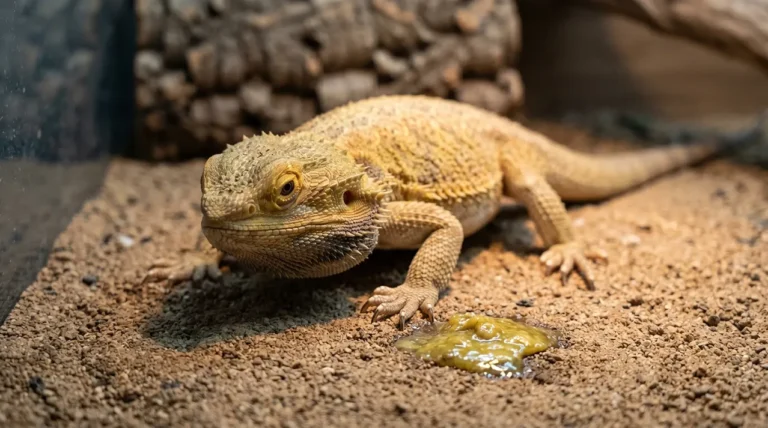
Symptoms creep in over weeks: gradual weight loss, runny stool, and a dragon that eats well but never gains. The early parasite infection signs are easy to dismiss as a picky phase until a fecal test comes back positive.
Some Bugs Are Toxic on Their Own
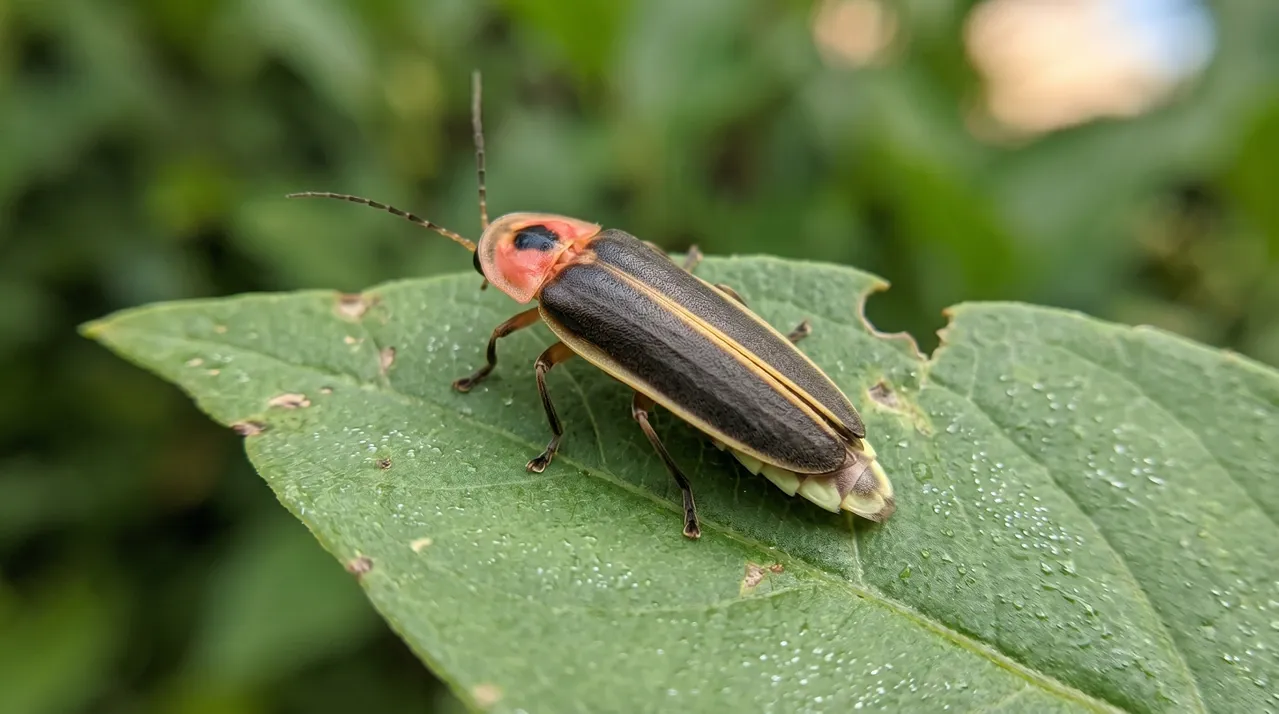
Fireflies are the headline case. Their bodies contain lucibufagins, heart toxins so potent that a single firefly has killed adult dragons in documented veterinary cases, some within 15 minutes of ingestion.
Ladybugs and Asian lady beetles secrete defensive chemicals that cause mouth irritation and vomiting. Box elder bugs sit in the same suspect category. Neither is reliably fatal the way fireflies are, but neither is worth the experiment.
Which Outside Bugs Are the Most Dangerous
Risk is not spread evenly across the garden. A moth is a different gamble to a firefly, and treating all wild bugs as equally deadly only makes the warning easier to ignore. Here is how the common catches actually rank.
| Bug | Main risk | If your dragon already ate one |
|---|---|---|
| Fireflies and any glowing insect | Fatal heart toxins | Emergency vet now, do not wait for symptoms |
| Bees, wasps, fire ants | Stings to the mouth and throat | Watch for swelling, vet if breathing changes |
| Ladybugs, Asian lady beetles | Toxic defensive secretions | Monitor 48 hours for vomiting and lethargy |
| Box elder bugs | Suspected toxins | Monitor 48 hours |
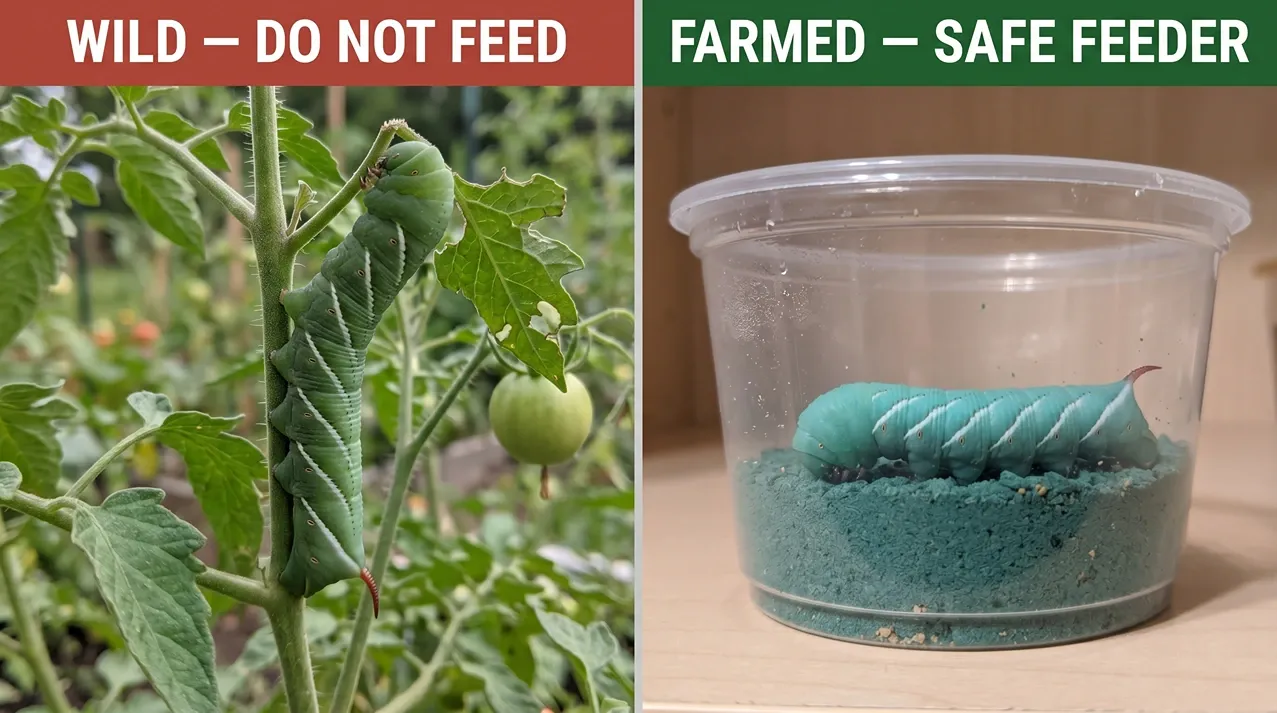
| Wild hornworms | Alkaloids from tomato and tobacco plants | Vet call if tremors or lethargy appear |
| Slugs and snails | Lungworm and other parasites | Book a fecal exam in 2–3 weeks |
| Ticks | Disease transmission, tough exoskeleton | Monitor stool, fecal exam if it changes |
| Spiders | Bites from unidentified species | Monitor 24–48 hours for swelling or lethargy |
| Grasshoppers, wild crickets, moths | Pesticides and parasites | Usually fine once, monitor and note the date |
| Earthworms | Soil chemical accumulation, parasites | Low harm once, avoid repeats |
Wild hornworms deserve a special mention because the farmed version is a beloved treat. The difference is diet. A hornworm raised on mulberry-based chow is safe, while one pulled off your tomato plants has been eating nightshade leaves and storing the alkaloids.
What If Your Beardie Already Ate One
Take a breath first. If the bug was not a firefly, a stinging insect, or a wild hornworm, the odds are on your side. One garden beetle or moth passes through most dragons without any visible effect.
Your job for the next 48 hours is watching, not treating. Identification changes everything a vet does next, so work out what the bug was while the memory is fresh.
Watch for these over the next two days:
- Vomiting or regurgitation within 24 hours. A dragon throwing up after a wild catch is a vet call, not a wait-and-see.
- Runny, bloody, or unusually foul stool, judged against what healthy dragon poop normally looks like.
- Wobbling, tremors, or head shaking. These are emergency signs at any point.
- Refusing food for more than two days.
- Unusual stillness or sleeping through normal basking hours.
Neurological signs mean an emergency visit. Appetite loss that appears weeks later points at parasites instead, and a fecal test at a reptile vet nearby settles the question for a modest fee.
When Bugs Get Into the Enclosure
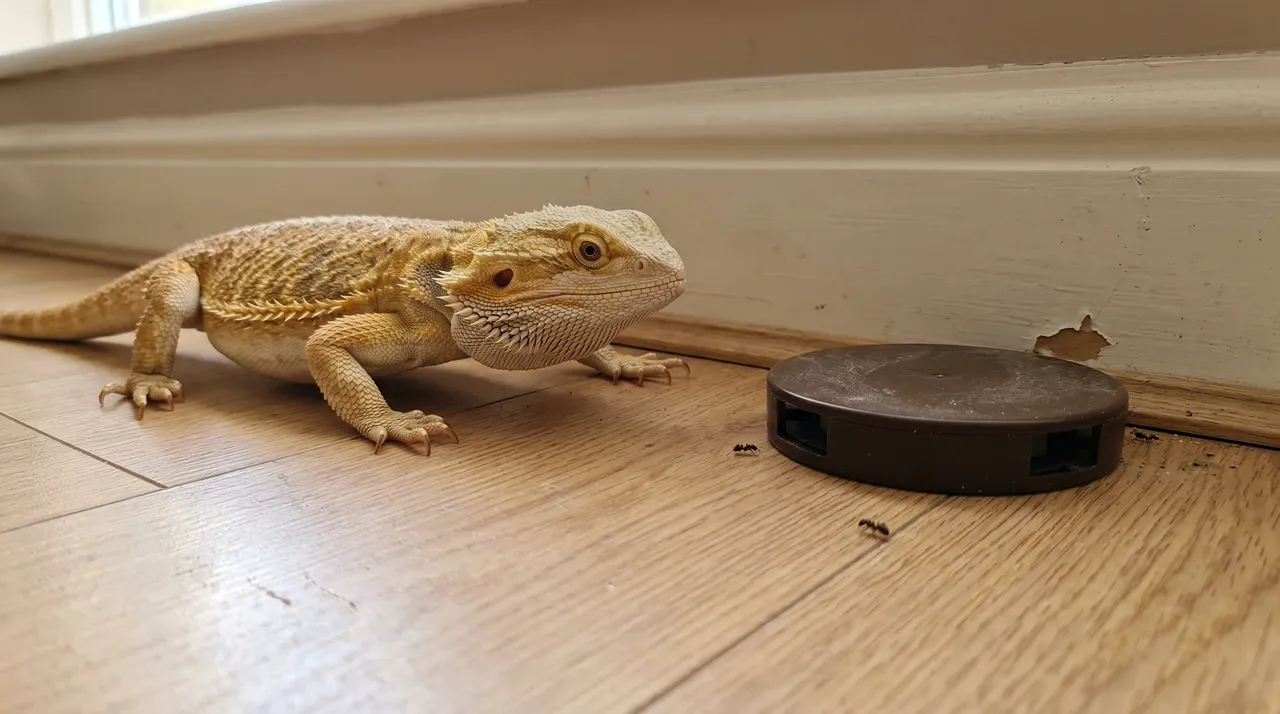
Bugs do not need an invitation. Ant trails find leftover salad, house flies follow the smell of a feeding bin, and spiders settle into the warm gap behind the enclosure. Your dragon will snipe anything that moves.
A single house fly is a low-stakes catch. Ants are a different problem because they bite, swarm, and arrive in numbers once they find a food source. Remove uneaten greens within a few hours and the trail never starts.
The riskiest indoor catch is the poisoned one. Roach motels and ant bait stations create slow, staggering insects, exactly the kind a dragon picks off without effort. Keep bait stations out of any room where your beardie free-roams.
The Cheaper Fix Most Keepers Overlook
Nobody catches garden bugs for fun. Keepers reach for wild bugs because feeder costs sting, especially with a juvenile putting away 30 to 50 insects a day. The answer is making feeders cheaper, not free and dangerous.
A dubia roach colony running in a plastic tub turns a one-time purchase of 100 roaches into a self-sustaining supply within two to three months.
Cheap feeders also work harder when fed properly first. A solid gut loading routine over 24–48 hours turns a budget cricket into better nutrition than any wild grasshopper could offer, with none of the gamble.
The other hidden saving is waste. Half the real cost of crickets is the ones that die in the tub before feeding day, and keeping crickets alive longer comes down to ventilation and a reliable moisture source.
Questions Keepers Ask About Wild Bugs
Can bearded dragons eat grasshoppers from the garden?
No. Garden grasshoppers carry the same pesticide and parasite risks as any wild insect. Captive-bred locusts sold as feeders give your dragon the same chase without the gamble.
My dragon ate a moth. Should I worry?
Probably not. Moths sit low on the toxicity scale, and a single catch rarely causes harm. Watch appetite and stool for 48 hours and treat any vomiting or tremors as a vet call.
Are earthworms from outside safe for bearded dragons?
No. Earthworms concentrate whatever chemicals sit in your soil and can carry parasites. They also offer poor nutrition for a desert species that rarely meets them in the wild.
Does quarantining a wild bug make it safe?
No. Holding a wild insect for days does not remove systemic pesticides or the parasite eggs already inside it. There is no waiting period that converts a wild bug into a safe feeder.
What insects should bearded dragons eat instead?
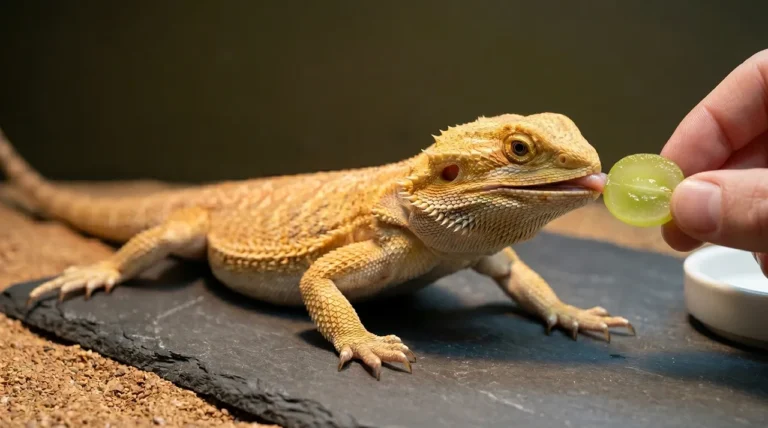
Dubia roaches, crickets, and black soldier fly larvae as staples, with hornworms, silkworms, and the occasional superworm treat. All of them are affordable from a reputable breeder and raised away from pesticides.
What to Do Instead of Catching Bugs
- Put the bug back outside. Whatever it is, the tank is not the place to find out.
- Walk your dragon’s free-roam route and move any ant bait or roach traps out of reach.
- Order a tub of dubia roaches or black soldier fly larvae from a reputable feeder breeder rather than a pet shop shelf.
- Set up a gut-loading tub with squash, collard greens, and oats so every feeder arrives at the tank carrying real nutrition.
- If wild bugs have already been on the menu this season, book a fecal exam. It costs less than treating an established parasite load.
Written by
Sarah ArdleySarah has kept bearded dragons for over ten years. She founded Beardie Husbandry after discovering that most mainstream care advice — including what she followed with her first dragon — was doing more harm than good. Every article on this site is grounded in veterinary research and real keeper experience.