Why Is My Bearded Dragon Glass Surfing
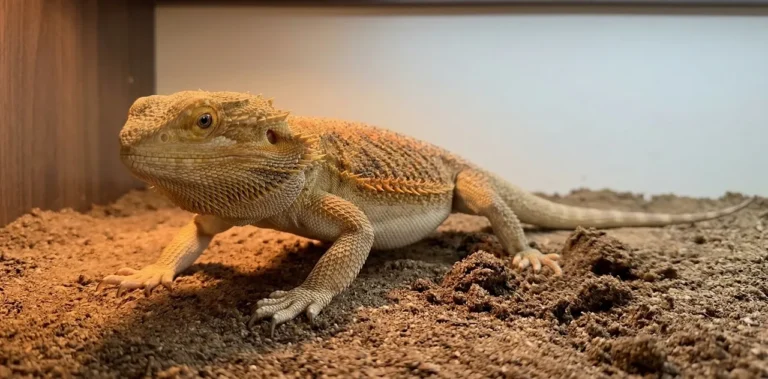
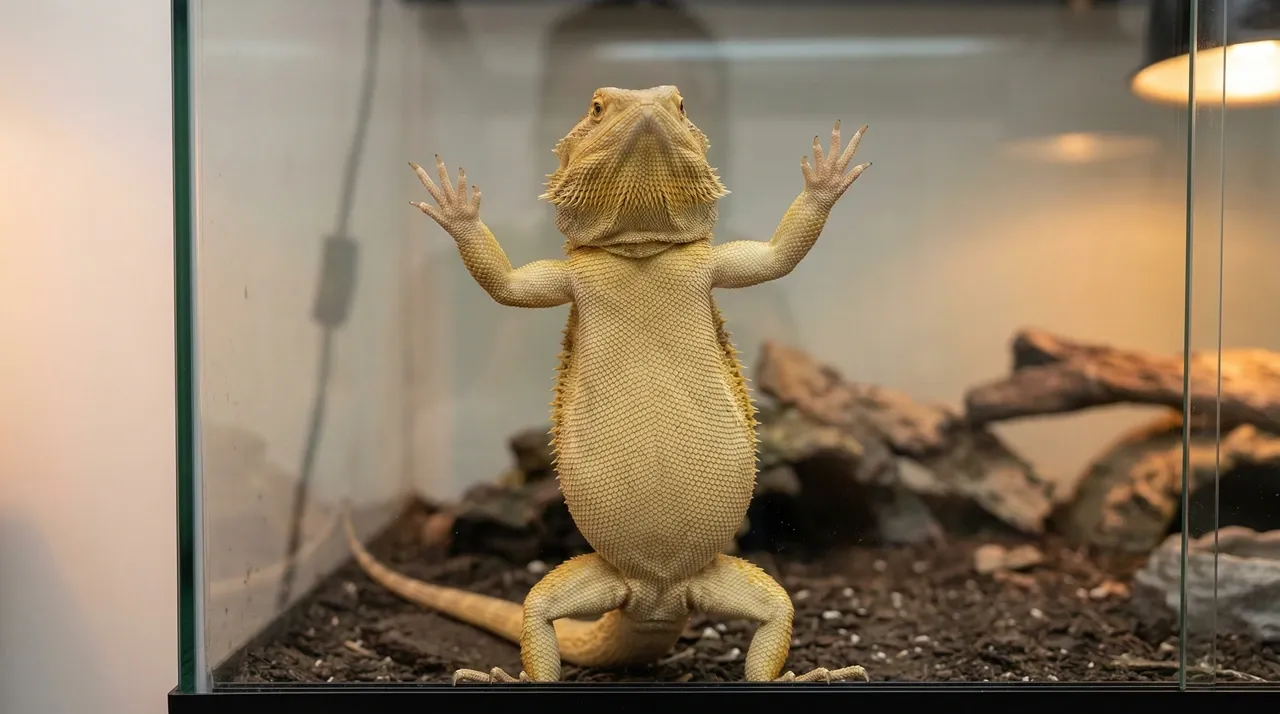
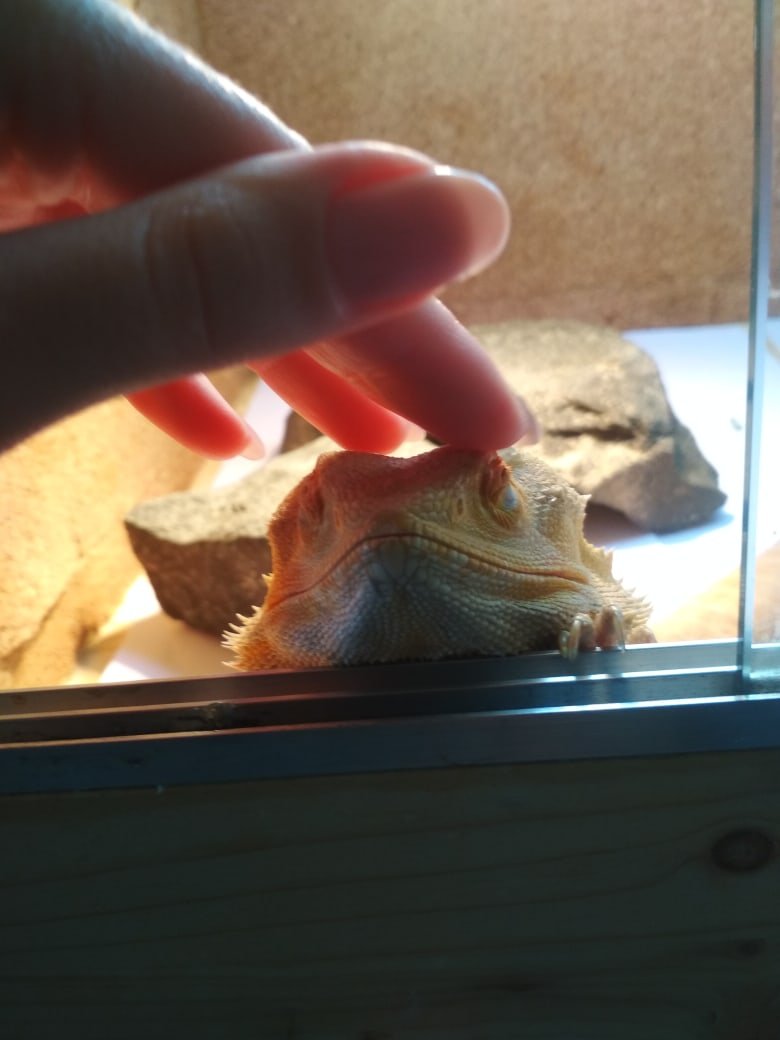
Bearded dragon glass surfing is one of those behaviours that looks alarming the first time you see it. Your dragon is standing on its hind legs, belly against the glass, legs paddling frantically like it is trying to climb through the wall.
It is almost always communicating something specific. That “something specific” covers a range of causes, from a quick enclosure fix to a biological process you cannot stop. Working through them in the right order is what gets you to the answer fastest.
What Bearded Dragon Glass Surfing Actually Looks Like
Bearded dragon glass surfing has a consistent pattern: the dragon stands upright against one of the glass panels, usually the front, and moves its limbs in a paddling or climbing motion. It may run the full length of the enclosure doing this, or concentrate on one corner. Some dragons do it for a few minutes and settle. Others do it persistently throughout the day and cannot seem to relax at the basking spot.
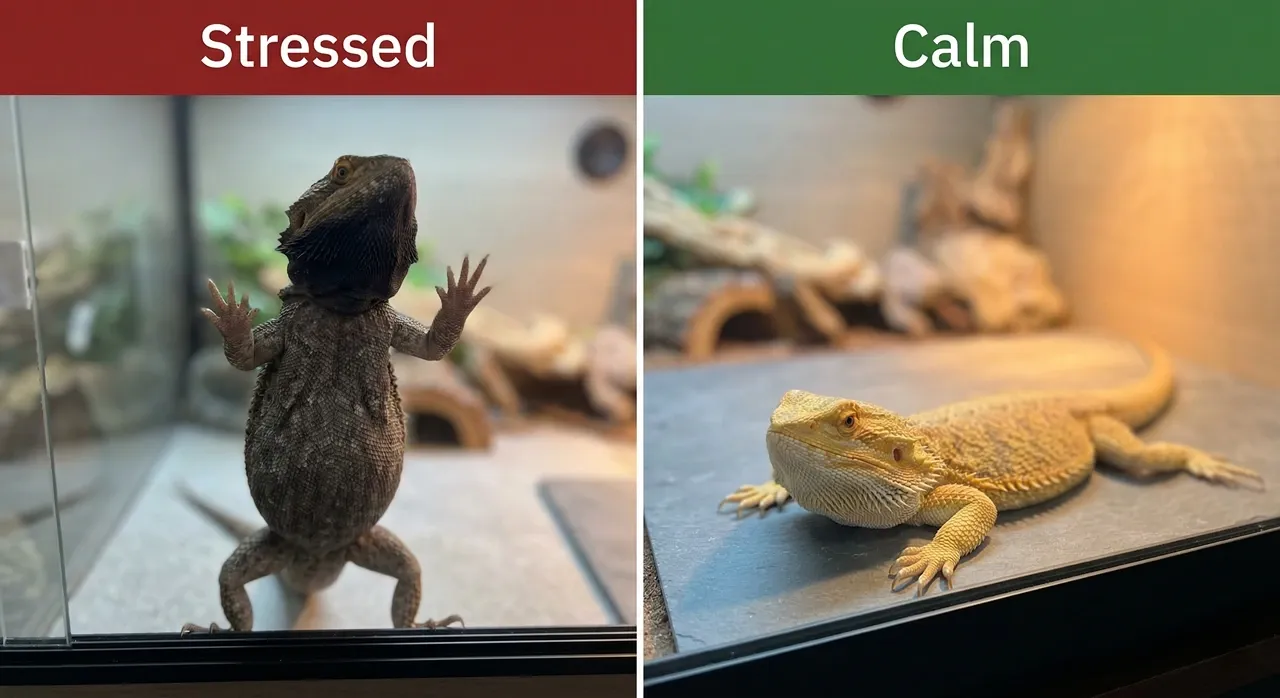
Duration and intensity are your first diagnostic clues. A dragon that glass surfs briefly after lights-on, basks normally for several hours, and resurfaces in the evening is most likely bored or wants out. A dragon that glass surfs continuously, cannot settle, and shows a darkened body colour alongside it is telling you something in the setup is actively wrong. Confusing those two scenarios is where most owners lose time.
Glass surfing also looks similar to digging behaviour in females, which can involve standing at the front glass and pawing repeatedly. The key difference is that digging behaviour in a female usually concentrates at the substrate level and involves the front claws working against the floor, not an upright paddling motion against the full glass panel.
Setup Causes to Check First
The majority of persistent bearded dragon glass surfing in dragons that were previously settled traces back to the enclosure. Check these before anything else, because they are both the most common causes and the most fixable.
The Temperature Gradient Is Off
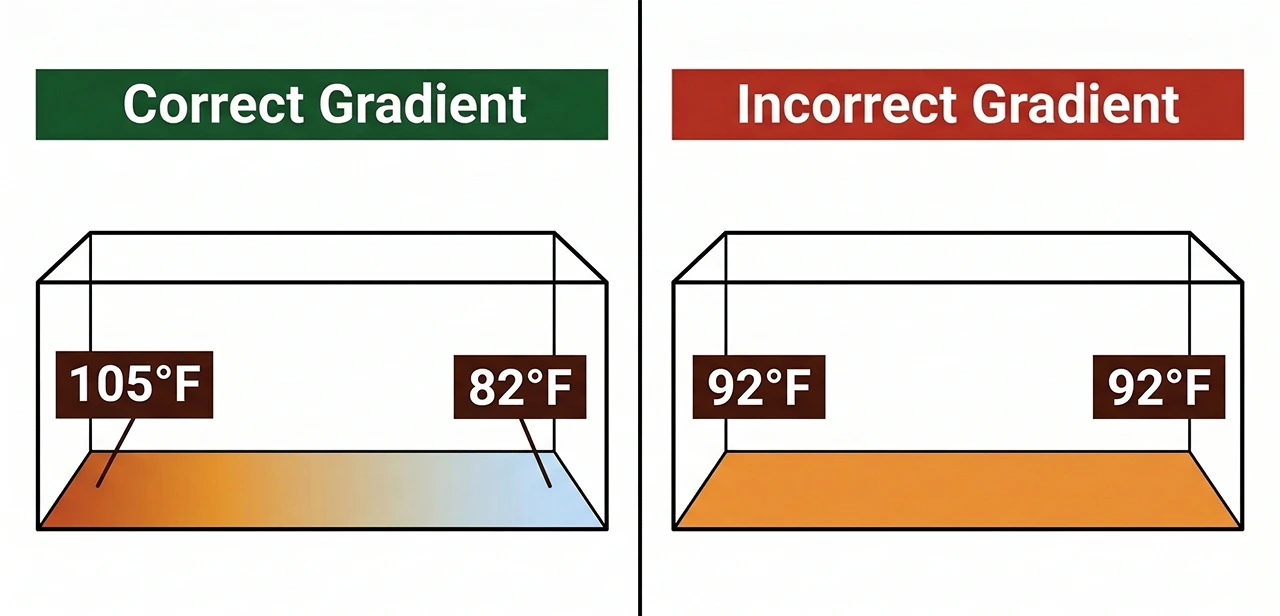
This is the most frequently missed cause because owners check whether the basking spot is hot enough and stop there. A correct gradient means a proper hot end and a proper cool end. An adult dragon’s cool end should sit at 80–85°F.
If the ambient temperature across the whole tank is running too warm (common in summer, or when a thermostat drifts), the dragon has nowhere to thermoregulate and will pace the glass looking for relief.
The opposite problem causes the same behaviour. A basking spot not reaching 100–110°F on the actual surface means the dragon cannot complete its thermal cycle. It stays uncomfortable and restless. An infrared temperature gun pointed at the basking surface gives you the real number. Stick-on dial thermometers and analogue gauges do not. If you are relying on either, accurate temperature measurement is worth addressing before anything else in this list.
The Enclosure Is Too Small
A dragon that has outgrown its tank will show bearded dragon glass surfing behaviour persistently and is often misread as hyperactive or difficult to manage. Adult bearded dragons need a minimum of 4 feet by 2 feet of floor space. A 40-gallon tank that worked at six months is a genuine confinement problem by twelve.
If your dragon is fully grown and has been glass surfing since it reached adult size, check the minimum enclosure dimensions for adults before changing anything else in the setup.
Its Own Reflection Is the Trigger
A dragon sees its own reflection in the glass and reads it as another animal in its territory. This is more pronounced in brighter enclosures and can start suddenly in a setup that was previously fine if the ambient lighting in the room changes. Try placing a dark opaque background on the outside rear and side panels. Most dragons stop reacting within a few days once the visual trigger is removed.
New enclosure furniture moved into the sightline, a pet elsewhere in the room, or a change in the room’s light pattern can all produce the same response.
New Dragon Relocation Stress
Newly rehomed dragons are frequent glass surfers in the first 2–4 weeks. Relocation stress is real and the behaviour usually settles on its own once the animal has mapped its environment and established a routine. Limit handling during this period, keep the lighting and feeding schedule consistent, and give the animal time to settle before assuming a setup problem.
Biological Causes That Setup Changes Cannot Fix
Gravid Females Searching for a Lay Site
A female carrying eggs will glass surf and dig as she searches for somewhere to lay, whether or not she has ever been near a male. This is the most urgent glass surfing scenario because a female that cannot find a suitable site can become egg-bound.
The glass surfing in gravid females tends to be relentless and is accompanied by repeated digging attempts. Her belly may appear visibly swollen or lumpy when viewed from above or from the side. A gravid female needs a lay box in the enclosure immediately: a container with at least 12 inches of moist topsoil or playsand, deep enough for her to fully submerge herself.
Mating Season Hormonal Drive
Bearded dragon glass surfing increases in both males and females during the late winter and spring period. Males become restless, head-bob frequently, and often refuse food for weeks at a time. Females may glass surf in response to hormonal changes even without any visual stimulus from a male.
This is normal seasonal behaviour that usually peaks for a few weeks before settling. Recognising the seasonal behaviour patterns of your dragon helps you distinguish a hormonal phase from a setup fault that actually needs correcting.
Post-Brumation Re-Orientation
A dragon emerging from brumation is often hungry, disoriented, and very active for the first week or two. Glass surfing at this point is normal behaviour and settles as the animal re-establishes its feeding and basking routine. It is not a signal that the setup is wrong.
When the Behaviour Happens Matters
With bearded dragon glass surfing, timing is often as informative as the behaviour itself. Use this table to match the pattern to the most likely cause before making any changes.
| When It Happens | Most Likely Cause | First Action |
|---|---|---|
| First 30 minutes after lights-on only | Morning restlessness, hunger | Normal — offer food and handling time |
| Persistently throughout the day | Temperature gradient wrong, enclosure too small | Measure both ends with infrared gun, check floor dimensions |
| Evening only, after normal basking day | Boredom, wants exploration time | Increase supervised out-of-enclosure time |
| Constant, combined with floor digging | Gravid female seeking lay site | Check belly for egg bulges, provide lay box immediately |
| Seasonal onset, late winter to spring | Mating season hormonal response | Normal phase — monitor, do not change setup |
| New dragon, first 2–4 weeks | Relocation stress | Limit handling, maintain routine, allow time to settle |
| Started after enclosure rearrangement | Stress from changed environment or new reflection angles | Restore familiar layout or add opaque background panels |
Can Parasites Cause Glass Surfing
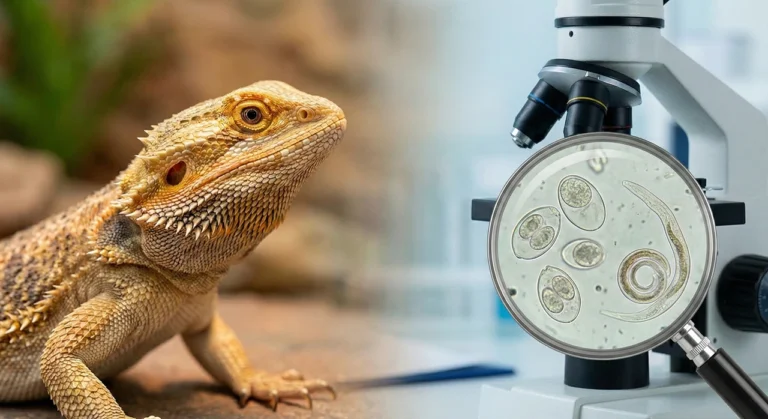
Parasites are not the first thing most owners consider, but internal parasites like pinworms and coccidia can cause enough abdominal discomfort to produce restless pacing that looks identical to enclosure-related bearded dragon glass surfing.
The distinction is that parasite-driven restlessness does not resolve when you correct temperatures or add a background. It persists regardless of setup changes, often alongside changes in stool consistency, reduced appetite, or visible weight loss over several weeks.
A faecal examination identifies the issue quickly, and treatment is usually a short course of antiparasitic medication. The Merck Veterinary Manual outlines the most common parasites found in captive lizards and what a faecal exam screens for. If you have ruled out every environmental cause and the glass surfing continues, a vet contact and faecal check is the right next step.
When Glass Surfing Points to a Bigger Problem
Most bearded dragon glass surfing resolves once the setup is corrected or the biological phase passes. There are situations where it warrants closer attention.
A dragon that has started glass surfing alongside a sudden loss of appetite, prolonged dark body colouration, and visible lethargy is not simply restless. Those combined behavioural signals point toward illness or significant stress rather than a simple setup issue. If nothing in the enclosure has changed and the dragon is also declining in condition, a vet contact is the appropriate next step rather than continued troubleshooting at home.
Constipation is another cause that gets overlooked. A dragon that has not passed stool in several days may glass surf as a sign of abdominal discomfort. Check the stool frequency against what is normal for the age and diet.
A warm soak often moves things along if mild constipation is the cause. A dragon that has not passed stool in over a week with a visibly bloated abdomen needs a vet assessment rather than home management.
If glass surfing is combined with a persistent refusal to use the basking spot, that combination narrows the cause considerably. Basking refusal alongside restless pacing almost always means the thermal environment is the problem, and the temperature gradient check becomes the immediate priority rather than one item on a longer list.
How to Reduce It Long Term
Once the immediate cause is ruled out or fixed, consistent daily handling is the most effective long-term reducer of bearded dragon glass surfing driven by boredom or attention-seeking. A dragon that gets 20–30 minutes of supervised out-of-enclosure time each day surfaces far less than one that only comes out occasionally.
Enrichment inside the enclosure makes a real difference too. Varied hides at both temperature ends, novelty objects rotated weekly, and foraging opportunities give a curious dragon something to engage with other than the glass.
For dragons that surf because of reflection, covering the rear and side panels with an opaque background on the outside of the glass removes the trigger. Most dragons stop reacting to their reflection within a week. It costs nothing and is worth trying before any other change.
Frequently Asked Questions
Is Glass Surfing Harmful to Bearded Dragons
The behaviour itself is not physically harmful, but the underlying cause may be. A gravid female that cannot find a lay site is at risk of becoming egg-bound. A dragon glass surfing due to a temperature problem is under chronic stress that affects immune function and long-term health. Address the cause rather than the behaviour itself.
How Long Does It Last in New Dragons
Relocation stress typically peaks in the first week and settles within 2–4 weeks. Limit handling during this period, maintain a consistent lighting and feeding routine, and give the animal time to map its new environment before concluding that anything is wrong with the setup.
Is Evening-Only Glass Surfing Normal
Evening glass surfing in a dragon that has basked and eaten normally is almost always attention-seeking behaviour. These dragons have learned that surfing produces a response from their owner. Regular out-of-enclosure time in the evening usually resolves it within a week or two.
Can Glass Surfing Be a Sign of Illness
On its own, rarely. Combined with loss of appetite, prolonged dark colouration, lethargy, or visible abdominal bloating, it becomes part of a wider picture worth a vet contact. Constipation in particular can trigger restless pacing that resembles glass surfing.
Will a Thermostat Fix Temperature-Related Surfing
A correctly set thermostat prevents temperature from drifting too high at the cool end, which is the most common temperature-related glass surfing cause. If you are running a basking bulb without thermostat control, seasonal temperature changes in the room will shift the whole enclosure upward and the cool end disappears.
Your Glass Surfing Checklist Before Changing Anything
- ✅ Measure the cool end temperature with an infrared gun. It should read 80–85°F. Anything warmer means the gradient is gone and the dragon has nowhere to cool down.
- ✅ Measure the actual basking surface temperature. Adults need 100–110°F on the surface itself. Under 100°F and the dragon cannot complete its thermal cycle.
- ✅ Note exactly when the surfing happens. Morning-only is boredom. All-day is a setup fault. Constant with floor digging in a female is a lay site emergency.
- ✅ Check your female’s belly. Visible rounded bulges when viewed from above mean she is carrying eggs and needs a lay box before anything else.
- ✅ Add an opaque background to the rear and side panels. If the surfing started without any other changes in the setup, try this first. It resolves reflection-triggered surfing in most cases within a few days.
- ✅ Increase daily handling time. A dragon that gets out for 20–30 minutes each day glass surfs far less than one that stays in the enclosure all week.
- ✅ Check stool frequency. No stool in over a week combined with glass surfing warrants a warm soak and closer monitoring before anything in the enclosure gets changed.
Disclaimer: This article is for general husbandry guidance only and does not constitute veterinary advice. A female that has been glass surfing and digging for more than 48 hours without laying, or any dragon showing glass surfing alongside lethargy, appetite loss, or abdominal bloating, warrants contact with a qualified reptile veterinarian.
Written by
Sarah ArdleySarah has kept bearded dragons for over ten years. She founded Beardie Husbandry after discovering that most mainstream care advice — including what she followed with her first dragon — was doing more harm than good. Every article on this site is grounded in veterinary research and real keeper experience.