Bearded Dragon Toys & Enrichment: Safe Out-of-Tank Play
Everyone wants their bearded dragon to act like a scaly puppy. We see the cute videos online, so we bring home plastic balls and cat toys hoping to start a game with them.
Usually, it is a letdown. A bearded dragon will lick the toy once to see if it is a bug. When they realize it is not food, they ignore it and go back to sleep.
Reptiles lack the brain wiring for games. They do not fetch and they do not understand what a toy is. But keeping them locked in a bare tank all day is a bad idea too. A bored dragon gets lethargic or spends hours frantically scratching at the glass.
They still need mental stimulation. You just have to stop treating them like a dog and start triggering their natural survival instincts instead. That means ditching the plastic toys, making them work for their food, and enforcing strict temperature limits the second they leave their tank.
Safe vs dangerous enrichment cheat sheet
| Activity or Item | Verdict | Why it matters |
|---|---|---|
| Dig Boxes | ✅ Highly Recommended | Satisfies natural burrowing instincts and is mandatory for females. |
| Puzzle Feeder Balls | ✅ Safe | Makes them work for their food and prevents obesity. |
| Laser Pointers | ❌ Dangerous | Causes severe frustration and chipped teeth from biting the floor. |
| Hamster Balls | ❌ Dangerous | Bends their spine unnaturally and overheats rapidly in the sun. |
| Electronic Heat Rocks | ❌ Deadly | Causes severe third-degree burns on their bellies. |
Do bearded dragons actually play
When a puppy chases a stick, it releases energy and practices social bonding. When a bearded dragon interacts with its environment, it is driven by three basic survival instincts. Food, heat, and security.
What looks like playing to us is usually just a reptile investigating whether an unfamiliar object is edible or climbable.
If you put a brightly colored plastic ball in their tank, they might walk up and lick it. They are not trying to initiate a game. They are using the sensory receptor on the roof of their mouth to determine if the ball is a piece of fruit. Once they realize it is plastic, they move on.
Stop treating them like dogs
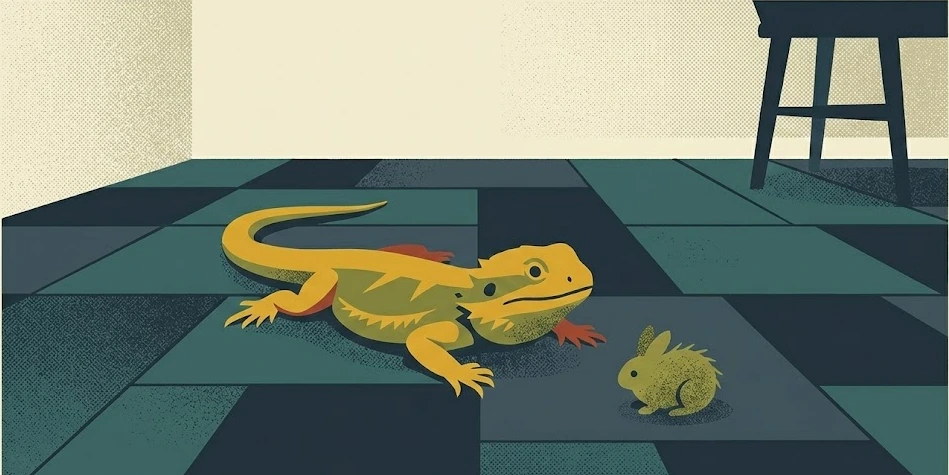
Projecting mammalian emotions onto a reptile causes severe stress. Some owners think their dragon is playing tag when it runs away across the floor. In reality, the animal is terrified and looking for a dark place to hide.
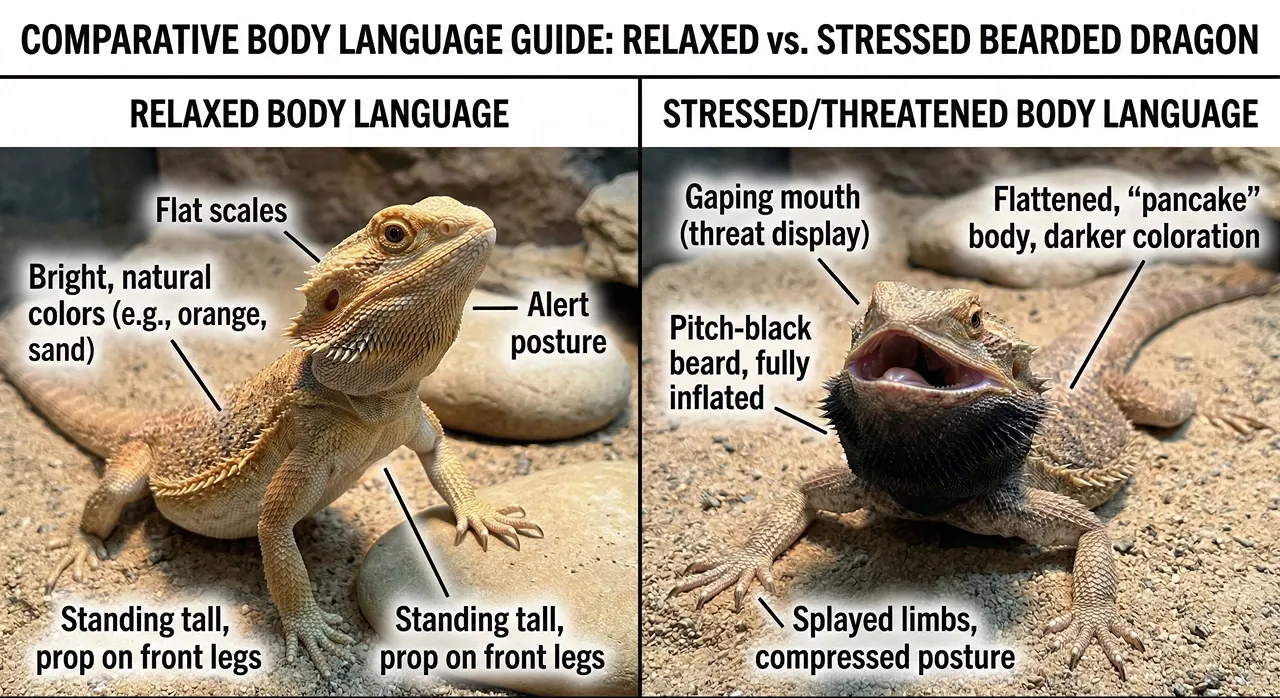
Understanding true bearded dragon body language is the only way to keep them safe. A gaping mouth, a flattened body, or a black beard means they feel threatened. If you see those signs during floor time, the session needs to end immediately.
How to spot a bored dragon
While they do not play games, they do suffer from a lack of stimulation. A wild dragon spends hours foraging for insects, digging burrows, and surveying its territory. In a barren glass box with a single food bowl, those instincts have nowhere to go.
This frustration leads to glass surfing. They will frantically stand on their hind legs and scratch at the walls. Providing the right type of enrichment channels that foraging energy safely.
What actually works inside the tank
Since bearded dragons do not play just for fun, you have to tap into what motivates them. The best enrichment forces them to use their brains and bodies to acquire food or survey their territory.
The tank rearrange trick
You do not have to buy new things to cure boredom. Once every few months, rearrange the logs, rocks, and hides inside their enclosure. Bearded dragons mentally map out their territory. When you move their favorite basking log to the other side of the tank, they have to physically and mentally relearn their environment. It forces them to explore.
Make them hunt for their bugs
Dropping bugs into a shallow dish right in front of their face makes them lazy and fat.
Buy a small, transparent treat-dispensing ball marketed for cats. Put a few active bugs inside. The movement triggers the dragon’s predatory strike response. They have to nose the ball and roll it around the tank to make the bugs fall out.
Check our Dubia Roach Guide or your standard Bearded Dragon Food List for the best insects to use. Avoid using worms that sit still. They will not trigger the hunting instinct.
The paper bag puzzle
If your dragon is lazy about eating salads, stuff their greens inside a crumpled brown paper bag or an empty cardboard toilet paper roll. Fold the ends shut and drop it in the tank. They love the challenge of ripping the paper apart to get to the food inside. It mimics the natural resistance of tearing at tough vegetation.
Build a simple dig box
Bearded dragons are natural burrowers. They dig to escape the heat, hide from predators, and lay eggs. If you keep your dragon on paper towels or bare tile, you deprive them of this instinct.
Providing a dig box is one of the best things you can offer. It is mandatory if you have a female dragon carrying eggs.
Take a plastic storage bin and fill it with 4 to 6 inches of a half-and-half mix of organic topsoil and children’s play sand. You can also use reptile-safe excavator clay. The mix needs to be slightly damp so it holds its shape when they dig a tunnel. Always verify your soil mix against our Safe Substrate Guide to prevent impaction.
Novel object rotation
You do not have to buy special reptile toys. Bearded dragons explore the world by licking things. Take a random, clean household item and put it in their tank for 30 minutes. An empty plastic coffee cup, a small stuffed animal, or a clean towel folded into a lump will fascinate them. They will spend 20 minutes walking around it and licking it to figure out what it is. Just make sure the object has no loose pieces they can swallow.
Edible destruction boxes
Bearded dragons are opportunistic grazers. Replicate this by buying a cheap terracotta pot and growing safe, edible weeds. Plant organic cilantro, dandelion greens, or elephant bush.
Once it grows a few inches, drop the entire pot right into their tank. They will aggressively rip the leaves off, dig in the dirt, and destroy the plant in a day or two. It gives them a massive mental workout and is an easy way to get a stubborn adult to eat greens. Just use basic organic topsoil. Never use potting soil with white perlite beads or chemical fertilizers like Miracle-Gro.
Stack wood and rock to build muscle
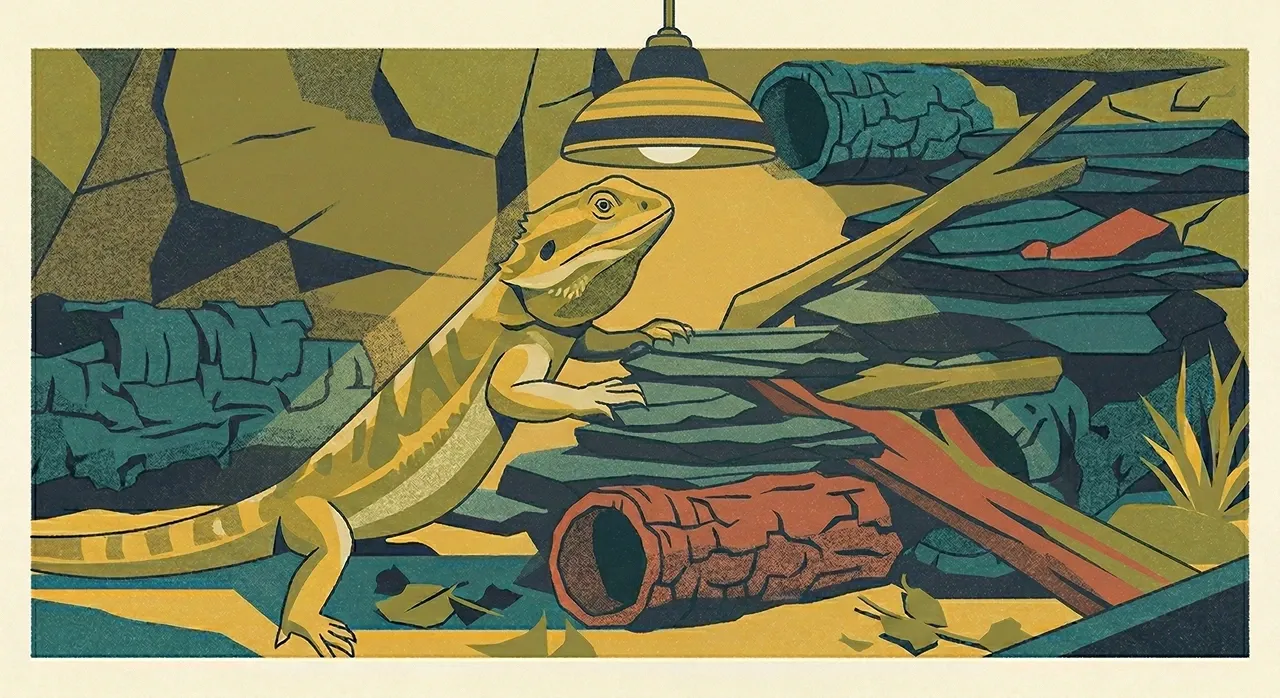
A single, flat log sitting on the floor does nothing for their muscles.
Create a jungle gym of varied textures and heights. Use rough cork bark, slate tiles, and thick branches. Rough surfaces naturally file down their claws, saving you from having to trim their nails as often.
Stack safe wood and rocks securely so they have to physically exert themselves to reach the best basking spot. Make sure everything is anchored so it cannot collapse and crush them. Drop the reptile hammocks. Their claws easily get caught in the synthetic mesh, leading to torn, bloody toes. Stick to solid wood and rock.
The strict rules for floor time
Letting your bearded dragon run around the living room is great for physical exercise, but it comes with a strict time limit. A bearded dragon is cold-blooded. They rely entirely on their external environment to survive.
The second you take them out of their enclosure, a biological clock starts ticking.
The temperature clock
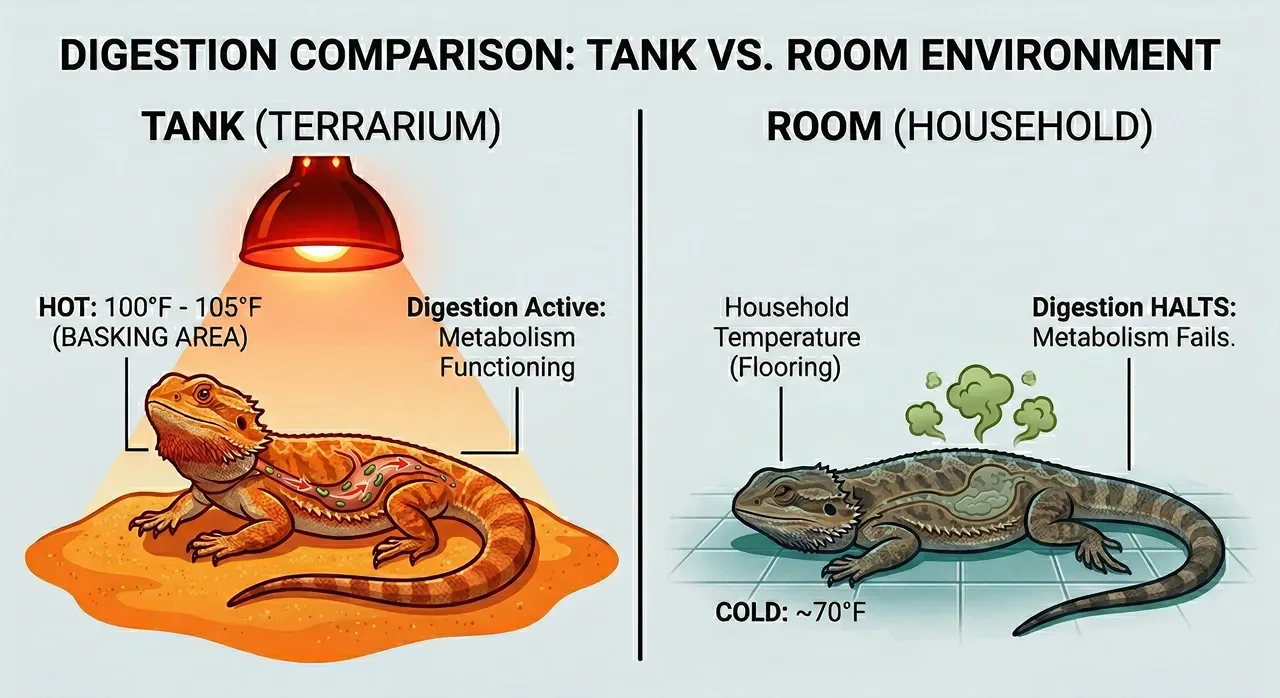
Your house is likely kept around 70°F. To a bearded dragon, that is winter. They require a basking spot of 100°F to 105°F just to keep their internal organs functioning properly.
When a reptile gets cold, their metabolism halts. If they just ate a heavy meal, their stomach stops processing the food. The bugs and greens will sit in their gut and rot, leading to severe gas, impaction, and illness.
Never take your dragon out to play immediately after they eat. Give them at least two hours of high heat under their basking lamp to digest their daily diet before offering floor time.
How long can they stay out
Limit out-of-tank playtime to 15 to 30 minutes maximum per session.
If your house is cold, you have the air conditioning blasting, or it is winter, put them back after 15 minutes.
Hardwood and tile floors pull heat out of a reptile’s belly twice as fast as carpet. If they are walking on cold tile, cut floor time down to 10 minutes.
If it is a warm summer day, the sun is shining through the windows, and the room temperature is close to 80°F, they can safely explore for up to half an hour.
Use your infrared temperature gun. Periodically check their surface temperature while they roam. If their skin drops below 75°F, playtime is over.
The truth about sitting in the window
Beginners love putting their dragons on the windowsill to look outside and get some sun. You need to know that modern window glass blocks 100 percent of the sun’s UVB rays. Your dragon is getting bright light, but zero vitamin D3.
Windows are also massive temperature traps. If you do this in December, the cold draft coming off the glass drops their body temperature into the low 60s in minutes. In July, a sunny window seat acts like a greenhouse and can cause fatal heatstroke. If you want them to look outside, limit it to 10 minutes and check their skin temperature with your temp gun.
Watch for these warning signs
Bearded dragons will not bark or scratch at the glass when they want to go home. Their natural survival instinct when they get cold is to find a dark, hidden crevice and go to sleep.
If you see your dragon doing any of these things, put them straight back under their heat lamp.
- They slow down and become highly lethargic.
- They crawl under the sofa or behind a bookcase and close their eyes.
- They flatten their body out like a pancake on the floor. This is a desperate attempt to absorb heat from the ground.
How to baby proof your room
Bearded dragons explore the world with their tongues. If something fits in their mouth, they will try to eat it. You must baby-proof the room before setting them down.
Clean your floors first
Vacuum your floors immediately before playtime. A stray rubber band, a dropped pill, a shiny coin, or a large clump of pet hair looks like a bug to a reptile. If they swallow human debris, they cannot digest it. This leads to fatal bowel impaction.
Block off the appliances
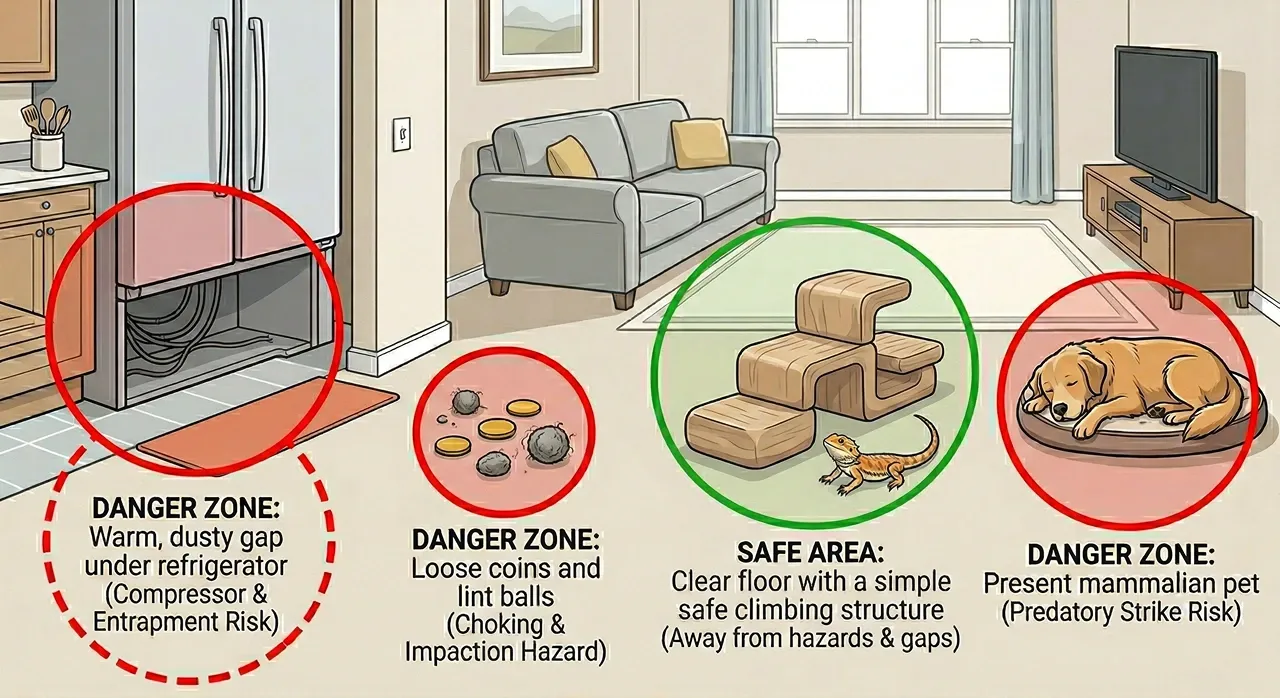
Block off the gaps under your sofa, behind the refrigerator, and under the TV stand. If a dragon gets cold, they will wedge themselves into the tightest, darkest space they can find. The gap under a refrigerator is especially dangerous because the compressor radiates heat. The dragon will crawl under there to get warm, get stuck in the dust and wiring, and you will have to tear your kitchen apart to retrieve them.
Use a cat tree for safe climbing
If you want to give them physical exercise outside the tank, buy a small cat tree. The carpeted texture provides the perfect grip for a lizard’s sharp claws, allowing them to climb safely without slipping. You can also throw a few empty cardboard boxes on the floor to make a quick maze for them to navigate.
Keep your dogs and cats away
Never let your bearded dragon interact with your cats or dogs.
You will see thousands of cute videos online of a bearded dragon sitting on a dog’s head. This is reckless. Dogs and cats are apex predators. Bearded dragons are prey. It does not matter how gentle your mammal is. A sudden movement from the reptile triggers an instinctual predatory strike in a fraction of a second.
The bacteria in a cat or dog’s saliva is also toxic to reptiles. A playful nip introduces a massive bacterial infection. When your dragon is out for floor time, lock the mammals in a separate room.
What to do if they go missing in the house
You will eventually look away for ten seconds and your dragon will vanish. Do not panic and do not start walking rapidly around the room. A cold dragon will flatten out and go to sleep. You will step on them.
Shuffle your feet without lifting them off the ground. Get on your hands and knees with a flashlight. Look under the edges of every piece of furniture, inside shoes, and behind curtains. They do not sit in the open. They hug the baseboards and wedge themselves into tight, dark corners.
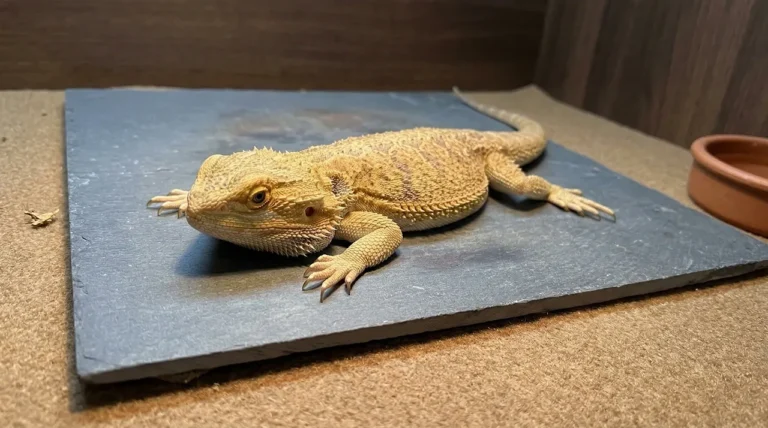
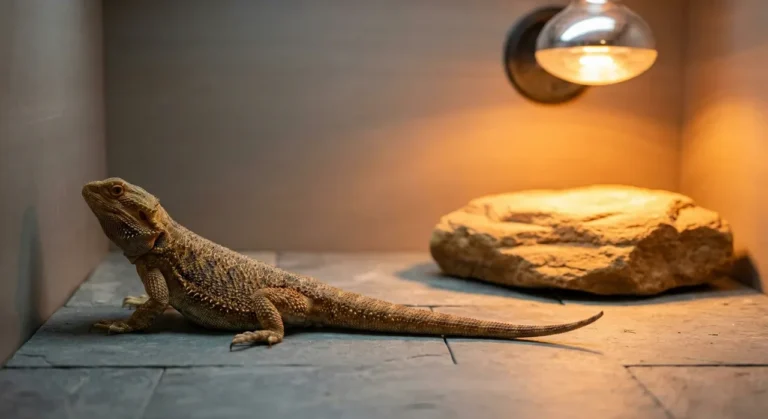
If you still cannot find them after an hour, you have to build a heat trap. Turn off the ceiling lights to make the room dark. Place a flat slate tile in the center of the floor and aim a 100-watt basking dome directly at it. A cold, hiding reptile is hardwired to seek out heat. The sudden source of intense heat and light will usually draw them out of their hiding spot within a few hours.
Other things people ask about outside time
Can I take my bearded dragon outside in the grass
Yes, real sunlight is fantastic for them. Only do this if the outside temperature is above 80°F. You must use a reptile harness so they do not bolt. You must also guarantee the grass has not been treated with chemical fertilizers or pesticides. Keep a close eye out for hawks and stray cats.
Do bearded dragons like watching TV
They do not understand the plot of the movie, but they are attracted to the fast-moving, flickering lights and the ambient warmth the screen produces. It is a harmless way for them to sit with you on the couch, provided they stay warm.
Should I put a mirror in their tank for enrichment
Absolutely not. Bearded dragons are solitary, territorial animals. They do not recognize their own reflection. If you put a mirror in their tank, they think another dragon has invaded their space. This leads to endless black-bearding, head-bobbing, and chronic stress.
The bottom line
You do not need to buy expensive plastic gadgets to make your bearded dragon happy. Let them hunt a fast-moving roach, give them a safe pile of organic dirt to dig in, and let them explore a sunlit, baby-proofed room for 20 minutes. Keep the mammals away, watch the clock, and let them be reptiles.
Before you set up any out-of-tank playtime, double-check their main enclosure first. If your baseline tank temperatures are incorrect, your dragon will not have the energy to explore anyway. Fix the heat first, and the natural behaviors will follow.
Written by
Sarah ArdleySarah has kept bearded dragons for over ten years. She founded Beardie Husbandry after discovering that most mainstream care advice — including what she followed with her first dragon — was doing more harm than good. Every article on this site is grounded in veterinary research and real keeper experience.