How to Trim Bearded Dragon Nails (Safe Step-by-Step Guide)
A dragon that scratched harmlessly as a juvenile can draw blood by six months old. Nails sharpen as they grow, and on soft substrate with no abrasive surface to file them down, they turn needle-point in a matter of weeks.
Knowing how to trim bearded dragon nails correctly means understanding where the quick sits, which clippers give a clean cut, and how to manage a dragon that would rather be anywhere else. Done right, the whole job takes under five minutes.
What Overgrown Nails Actually Do to Your Dragon
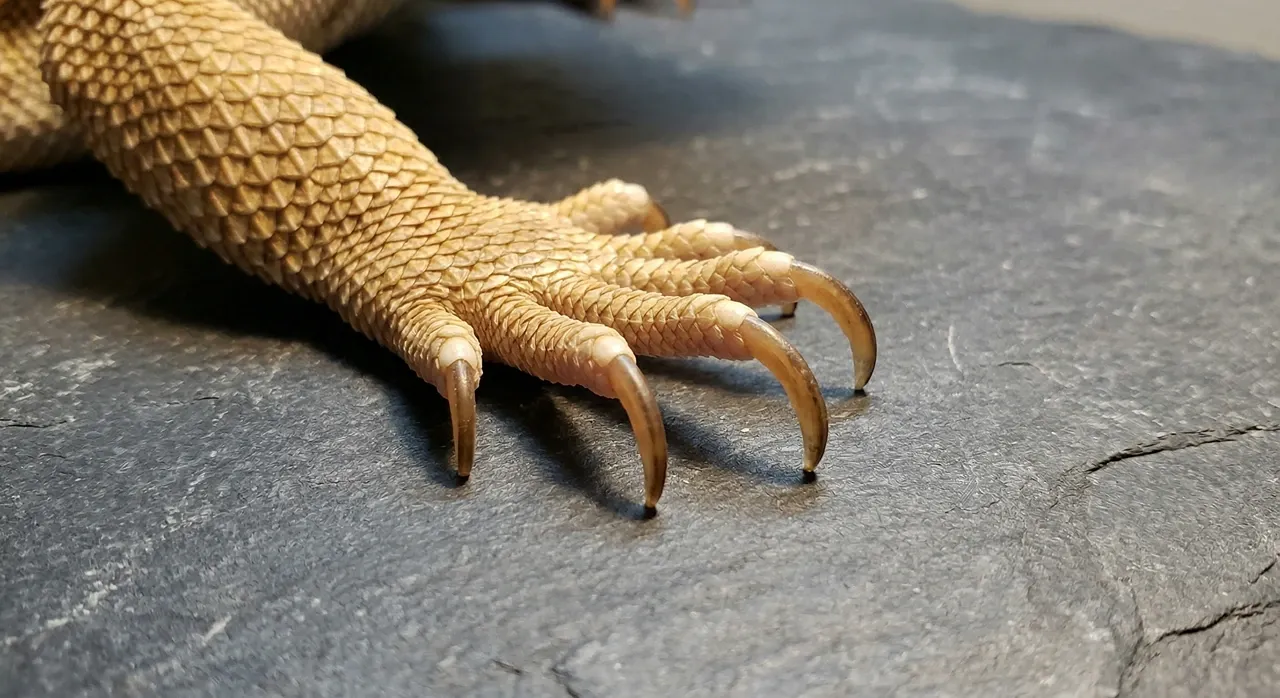
Sharp nails make every handling session uncomfortable, but that is the smaller problem. When nails grow too long, they begin to curve sideways and force the toes into an unnatural angle. Sustained over weeks, that mechanical stress causes lasting joint problems in the feet.
Overgrown nails snag. On reptile carpet or hammock accessories, a nail caught at full extension can tear away from the toe at the root. Keeping bearded dragon nails trimmed to a reasonable length eliminates this risk almost entirely. That nail does not regrow.
Front nails are also the first thing a bearded dragon uses to scratch around the eye area during shedding. Sharp-tipped front claws on a dragon mid-shed can scratch the cornea and require veterinary treatment. This is a husbandry problem with a simple preventative.
How to Tell When Your Dragon Needs a Trim
Place your dragon on a flat, hard surface and look at their feet from eye level. If the nails are pushing the toes sideways, or if the toes are lifting off the surface because the nail tips are propping them up, it is time. No measuring tool required.
The other indicator is your forearm after a handling session. Scratches that break the skin mean the tips are too sharp, even if the nails are not yet long enough to affect foot posture. Sharpness and excessive length are separate problems, and both warrant a trim.
Front nails grow faster than rear nails in most setups and stay sharper for longer. Make a habit of running a finger across the front nails at the start of every handling session. You may be trimming the front feet four or five times before the rear nails need any attention at all.
Which Clippers Work Best for Bearded Dragon Nails
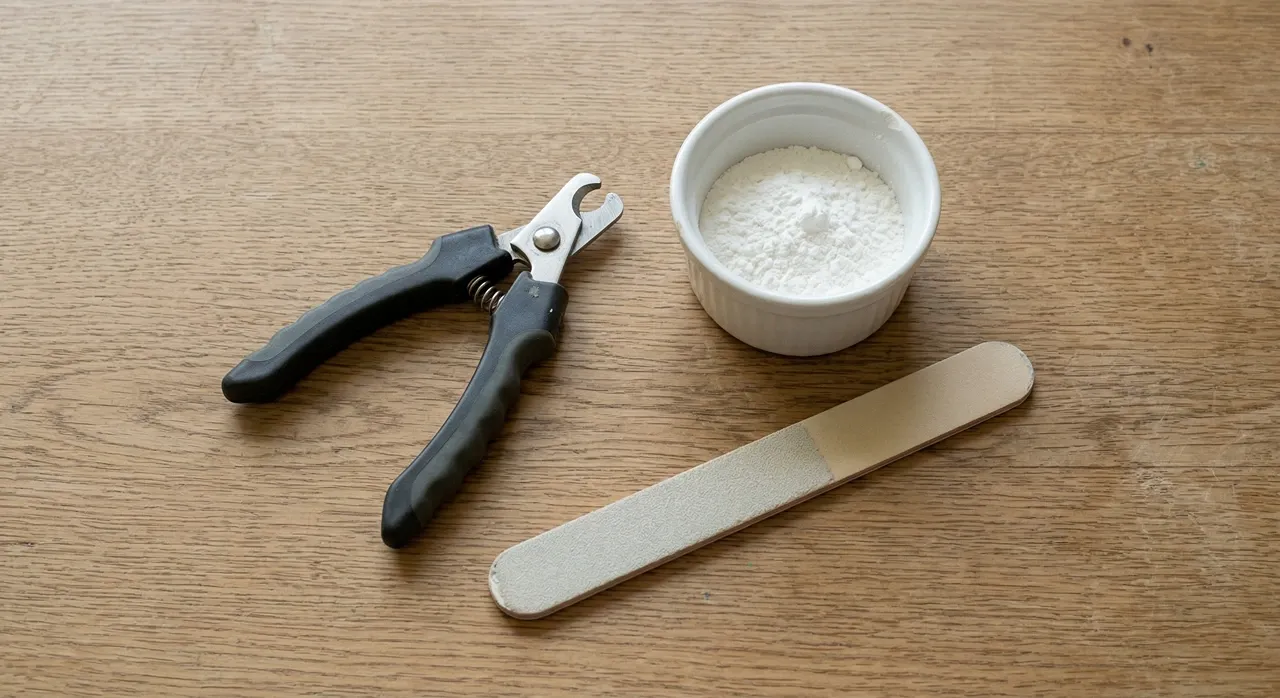
Small animal clippers designed for cats or birds are the right choice for most adult bearded dragons. They give a clean, single-motion cut without fracturing the nail, and the blades are sized correctly for small lizard feet.
Human nail clippers are too wide for precise placement on small feet and can crack the nail rather than cut it cleanly. A fractured nail edge is sharp and more likely to snag during the next handling session.
Baby toenail clippers are a better option if standard cat clippers feel oversized for a smaller dragon. For large dragons over 50 cm with thick, tough nails, pliers-style clippers give a cleaner result than scissor-action ones.
Always use a dedicated pair and clean it with isopropyl alcohol between sessions. Bearded dragons can carry Salmonella, and contaminated clippers are a genuine hygiene concern.
What to Do Before You Pick Up the Clippers
Get Your Dragon Used to Foot Handling
If your dragon is not accustomed to having their feet handled individually, spend one or two weeks making deliberate foot contact part of your regular handling sessions.
Hold each foot for a few seconds and gently press the toes open as though you are about to trim. This removes the element of surprise on the day you actually bring clippers out, which is when resistance tends to spike.
Open and close the clippers near your dragon during normal handling so the sound becomes familiar before it ever contacts a nail. Many dragons startle at the snap of clippers at the exact moment when precision matters most. That is when accidents happen.
Time the Session After a Bath
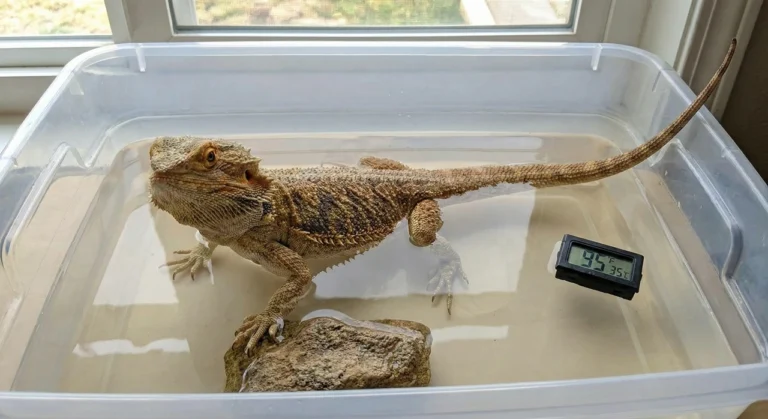
A 10-minute soak at around 37°C relaxes muscle tone across the whole body, including the feet. Nails are slightly softer post-soak, which produces a cleaner cut. Running a warm bath beforehand is the single most reliable way to reduce resistance from a reluctant dragon.
Covering the dragon’s head loosely with a small fleece or clean hand towel simulates darkness and settles most dragons within a minute or two.
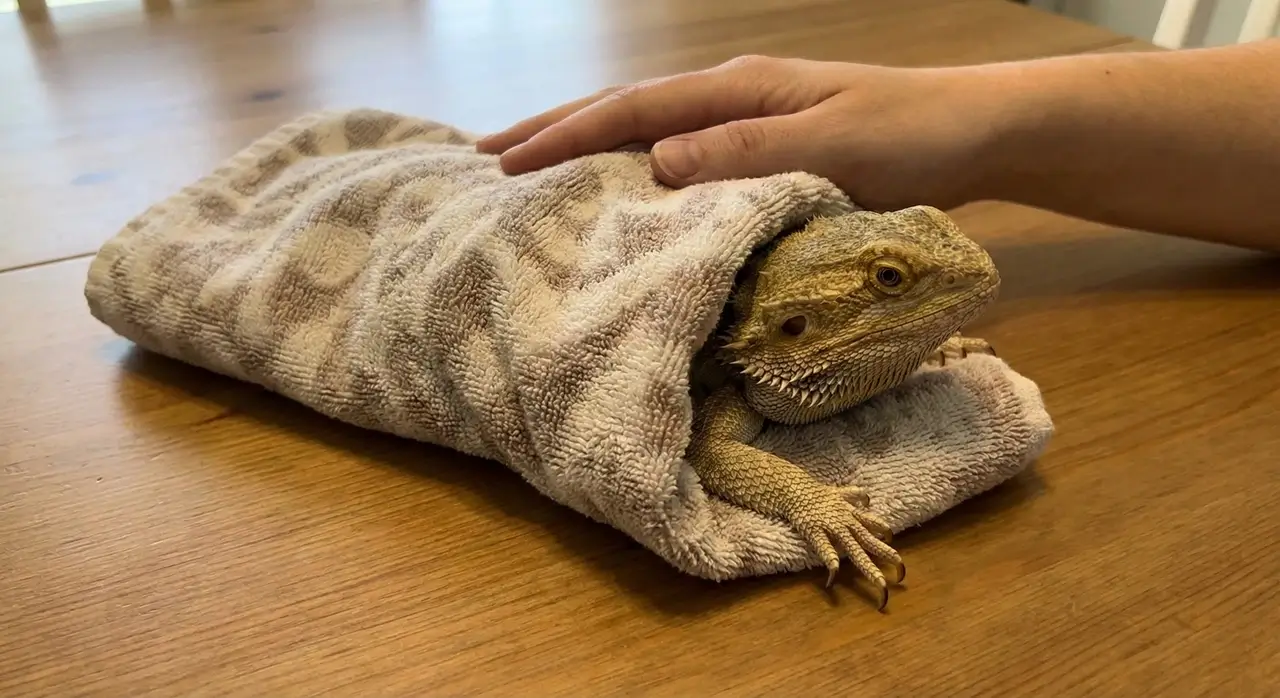
An early evening session, when your dragon is naturally winding down from the day, tends to go more smoothly than one during the basking period when the dragon is most alert and active.
How to Trim Bearded Dragon Nails Step by Step
- Assemble your kit before you begin. You need clippers, a small container of styptic powder or cornstarch, bright lighting, and optionally a second person to help hold. Do not search for these items mid-session with an impatient dragon in your hands.
- Set up on a low, flat surface. Work on your lap, a low table, or a mat on the floor. If your dragon lurches, the drop needs to be minimal. Never attempt to trim while holding a dragon at height.
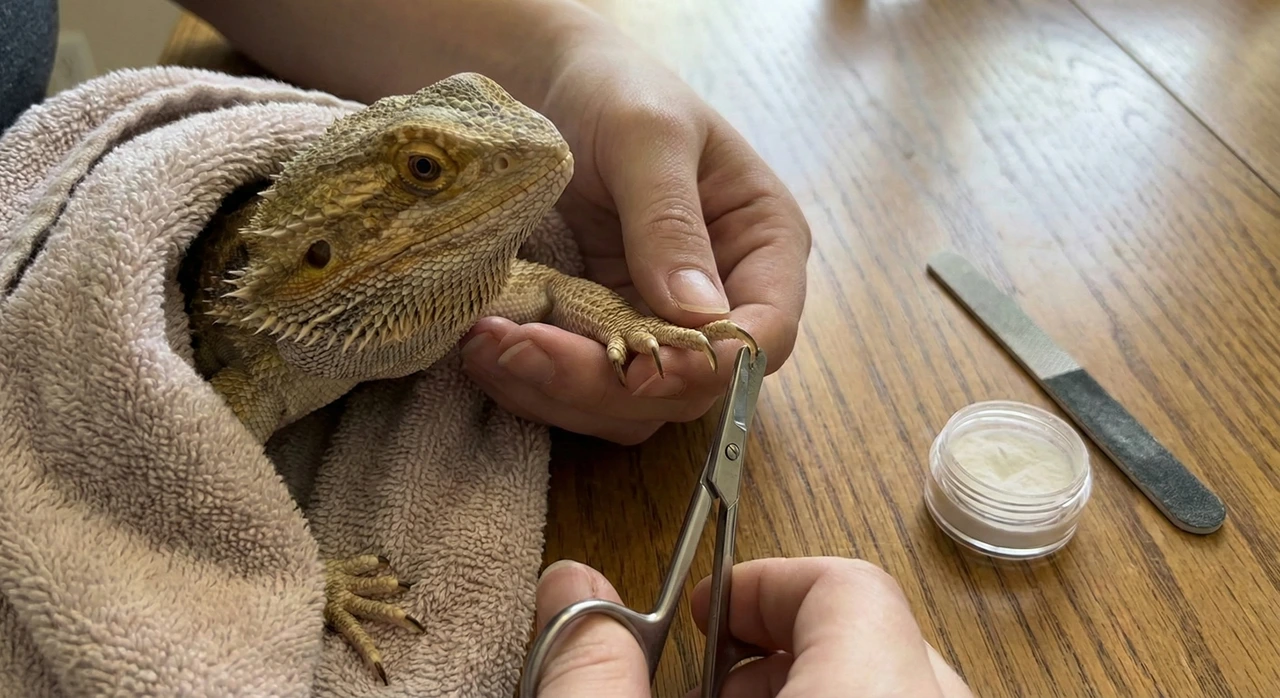
- Support the body without compressing the ribcage. One hand supports the belly from below. A helper holds the body steady while you focus entirely on the feet. Working alone, tuck the dragon gently against your torso using your forearm, leaving both hands available for the foot you are working on.
- Isolate one toe at a time. Hold the foot steady between your thumb and forefinger. Press lightly on the underside of the toe pad to extend the nail naturally forward. This gives you a clear view without bending the toe into an uncomfortable angle.
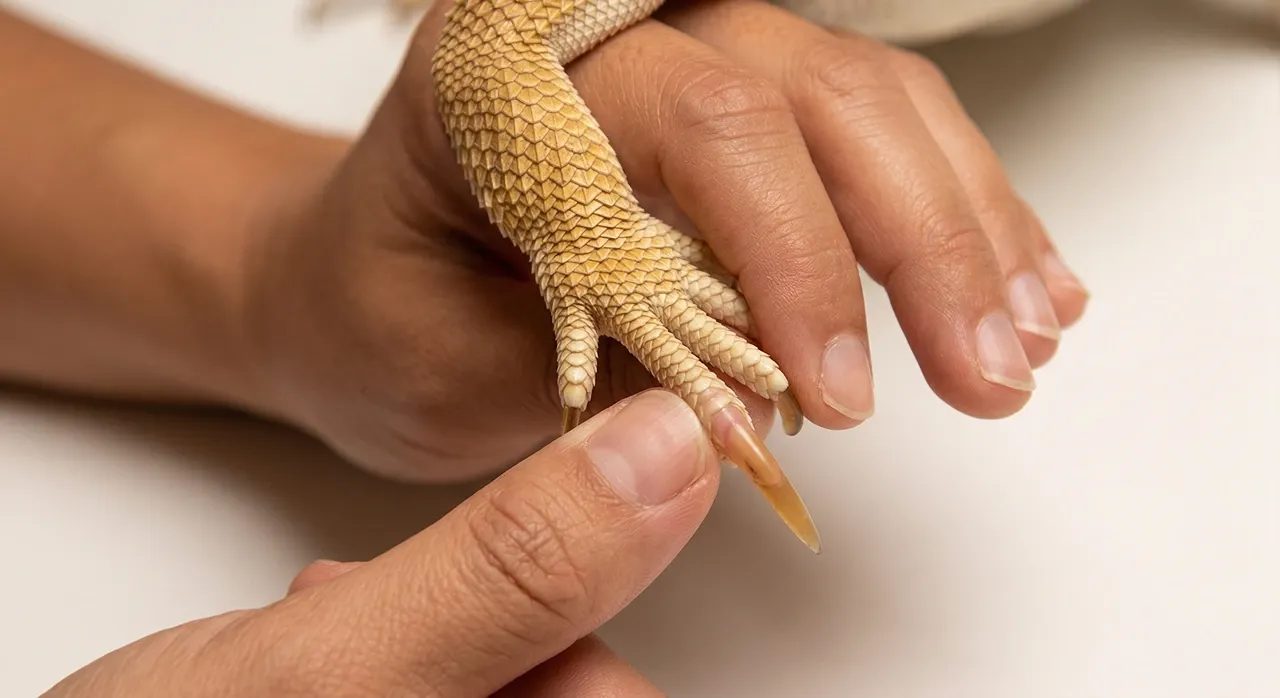
- Find the safe cut line before placing the clippers. On light nails, cut 1–2 mm beyond where the pinkish quick line ends. On dark nails, feel for where the nail transitions from a slight ridge to a finer taper, and cut only within that taper zone.
- Cut decisively in one motion. Place the clippers perpendicular to the nail, not at an angle. Hesitant, slow pressure on the clipper handle crushes the nail before it cuts, which is painful and causes fracturing. Position correctly, then clip cleanly.
- Check the tip and buff if needed. Run a fingertip across the cut end. If it feels rough or angular, two or three passes with a fine emery board smooth it instantly. This small extra step reduces snagging and slows how quickly the tip becomes sharp again between trims.
- Work through all four feet with front feet first. Front feet typically carry faster-growing and sharper bearded dragon nails, so start there. If your dragon becomes agitated partway through, stop and continue the following day. Trimming one foot per day across four days achieves the same result without building a negative association with the process.
- Reward immediately when you finish. A hornworm, a small piece of mango, or a waxworm delivered directly from your hand right after the session pairs the experience with something the dragon wants. This has a measurable effect on how cooperative they are next time.
Where to Cut on Dark and Light Nails
On pale or translucent nails, the quick appears as a pinkish line running from the base partway toward the tip. The safe zone is 1–2 mm beyond where that line ends. Held against a bright phone torch from below, the line is usually clear enough to work from confidently.
On dark or black nails, visual identification is not possible. Run your fingertip along the underside from base to tip. There is a subtle ridge that gradually narrows into a finer taper.
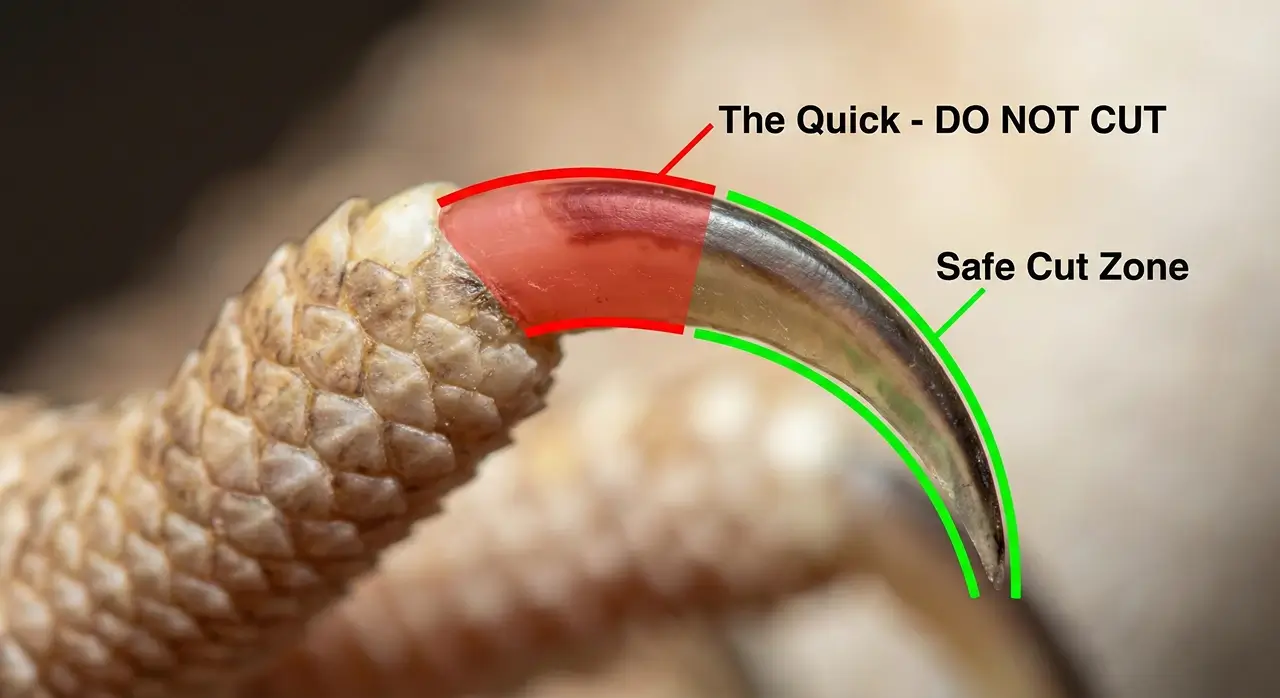
The ridge region contains the quick. The section beyond the ridge, where the nail tapers to a finer point, is safe to cut. Trim only that taper zone, and have styptic powder ready regardless.
If nails have grown long enough to curl, do not attempt to correct the full length in one trim. The quick extends further into overgrown nails than in regularly maintained ones. Take only the curved tip in the first session, revisit in two weeks, and take a little more each time until you reach a safe working length.
If You Hit the Quick
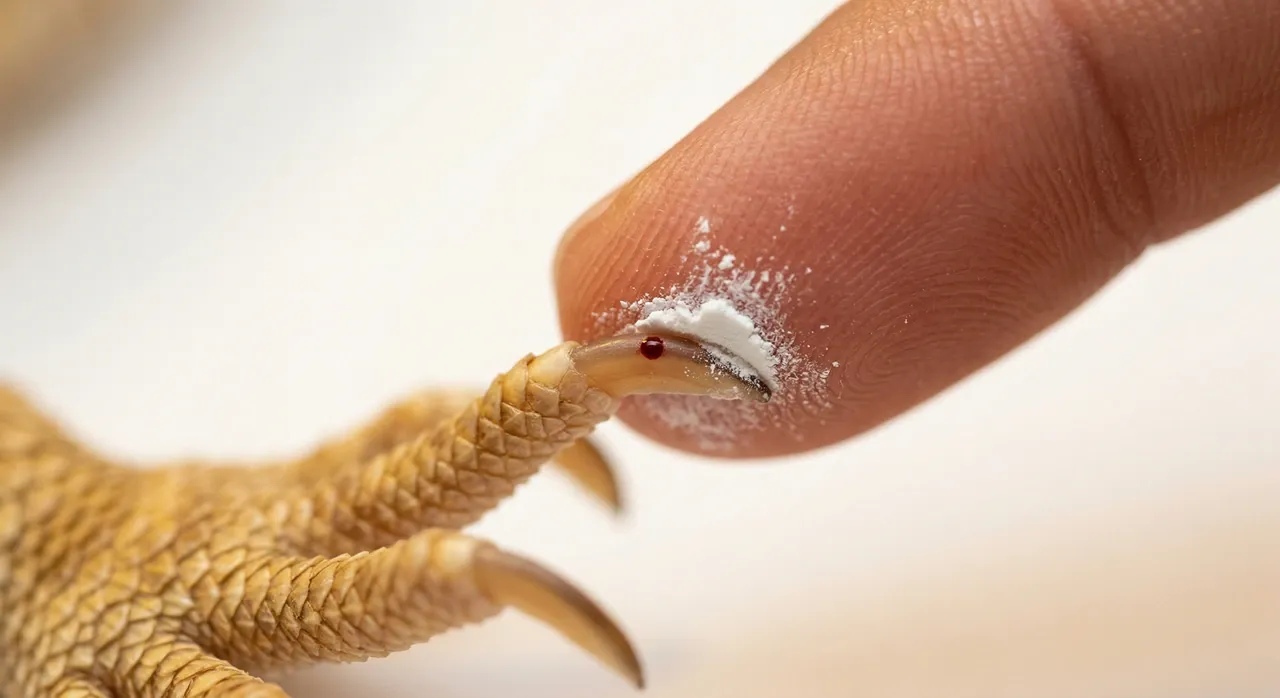
The nail will bleed briefly and your dragon will likely pull the foot back sharply. Stay calm and apply styptic powder directly to the tip, holding light pressure for 20–30 seconds. Cornstarch works as a substitute.
Keeping these items in a dedicated reptile first aid kit means you are never scrambling for them at the wrong moment. Do not return your dragon to the enclosure until bleeding has stopped completely.
Loose substrate, especially bioactive mixes or fine sand, can introduce bacteria into an open nail bed quickly. Monitor the toe over the following two to three days for swelling or any discolouration at the base.
When a Nail Tears at the Root
A nail pulled away at or near the root is a different situation from nicking the quick. The exposed area is much larger and infection risk rises quickly.
Clean the area with dilute iodine, keep the dragon on clean paper towel to reduce contamination, and contact a reptile vet the same day. Home first aid alone is not sufficient here.
How Often Do Bearded Dragon Nails Need Trimming
Frequency depends almost entirely on substrate and daily activity. Dragons on abrasive surfaces wear their nails down naturally and need trimming far less often than those on smooth or soft substrates. Check nails every two to three weeks regardless of setup, and use the table below as a starting point.
| Enclosure Setup | Typical Trim Interval | Key Note |
|---|---|---|
| Bioactive with loose soil or sand | Every 6–10 weeks | Digging on abrasive substrate passively files nails throughout the day |
| Rough slate or sandstone tile | Every 8–12 weeks | High daily contact keeps rear nails especially short; front nails may still need earlier attention |
| Smooth ceramic tile | Every 4–6 weeks | Dulls the tips but does not reduce nail length; visual checks matter here |
| Reptile carpet | Every 3–5 weeks | No abrasion whatsoever; snagging risk is highest on this surface type |
| Paper towel or newspaper | Every 3–4 weeks | No passive wear at all; check front feet particularly often |
Natural Nail Wear Through Enclosure Design
Substrate choice is the most effective lever available. A dragon kept on rough slate tile or bioactive soil receives daily passive filing at every step across the enclosure. Realistically, this can extend time between trims from once a month to once a quarter.
Adding a flat sandstone or rough natural rock under or near the basking spot means the dragon is walking on abrasive material during the warmest and most active part of the day.
That daily contact adds up. Out-of-enclosure time on concrete or unpolished slate contributes further, provided temperatures are safe for the dragon to be out.
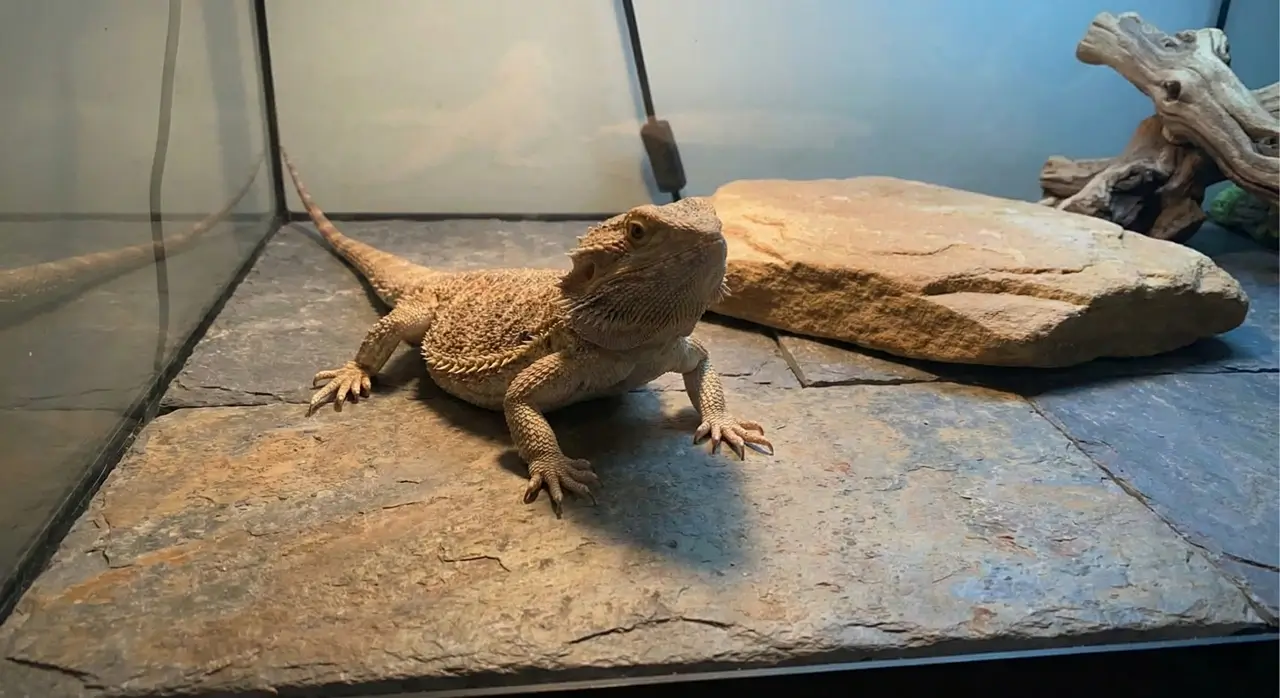
None of this replaces the habit of regular checks. It reduces how often the check reveals a problem.
When to Let the Vet Handle It
There is no shame in having a reptile vet trim the nails, particularly the first time or with a dragon that fights foot handling despite patient conditioning.
Most exotic vets will add it to a routine wellness visit, and watching it done in person gives you a practical reference that no written guide can replicate.
Reptile specialists at institutions like UC Davis Veterinary Medicine recommend regular vet contact for captive reptile keepers, and nail condition is a natural discussion point at annual check-ups.
If a toe looks swollen, the nail base appears discoloured, or your dragon is reluctant to bear weight on a foot, see a vet before attempting home trimming.
Frequently Asked Questions
Can I use regular human nail clippers on my bearded dragon
Standard adult human nail clippers are usually too wide for precise placement on small feet and can fracture rather than cut the nail cleanly. Baby toenail clippers or small animal clippers designed for cats give a better result with less risk of splintering.
What do I do if I cut the quick
Apply styptic powder or cornstarch to the tip and hold light pressure for 20–30 seconds. Keep your dragon off loose substrate until the bleeding has stopped completely. Monitor the toe for swelling or discolouration over the following two to three days.
Will a bearded dragon nail grow back if it falls off
No. Bearded dragon nails do not regenerate once lost at the root. A nail broken partway up the shaft may partially regrow depending on how far back the break occurred, but one torn from the toe at its base will not return.
This is why preventing snags through consistent bearded dragon nail trimming matters.
My dragon will not hold still for nail trims
Spend a week or two making deliberate foot contact part of every normal handling session before bringing clippers near them. Trim one foot per day rather than attempting all four at once.
A warm bath immediately before the session reduces resistance in most dragons. If the problem persists, a vet trim for the first session is a practical step that most exotic vets are happy to help with.
Does substrate type really affect how fast nails need trimming
Substrate affects wear rate, not growth rate. Dragons on rough slate or bioactive setups consistently need bearded dragon nail trimming less often than those on smooth tile, carpet, or paper. It does not eliminate the need to check, but it changes how often the check reveals a problem.
What a Consistent Nail Check Routine Looks Like
The simplest approach: check the front nails every time you pick your dragon up. Run a finger across the tips before you settle them onto your lap. It takes three seconds and catches problems before they become emergencies.
Build the first full trim into an evening when you have 15 uninterrupted minutes. Do it after a bath, take the front feet first, and reward immediately afterward. The second session goes faster. By the fifth, it barely registers as a task worth noting.
Written by
Sarah ArdleySarah has kept bearded dragons for over ten years. She founded Beardie Husbandry after discovering that most mainstream care advice — including what she followed with her first dragon — was doing more harm than good. Every article on this site is grounded in veterinary research and real keeper experience.