Can Bearded Dragons Eat Grapes? Safe Amounts and Real Risks
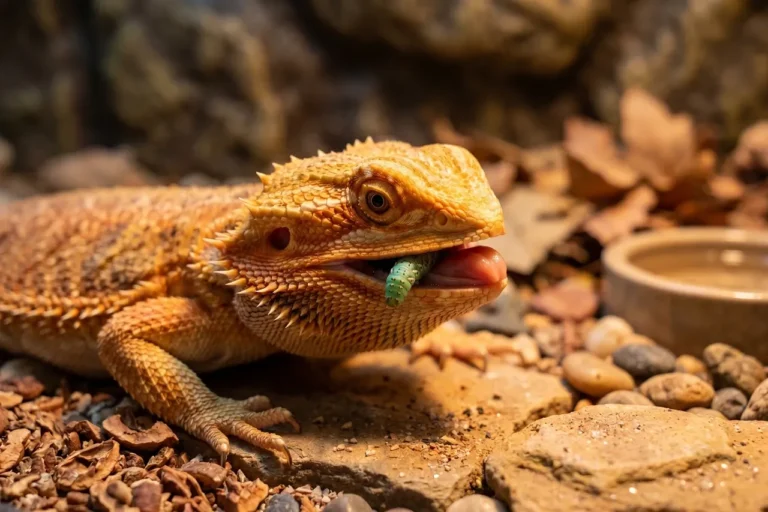
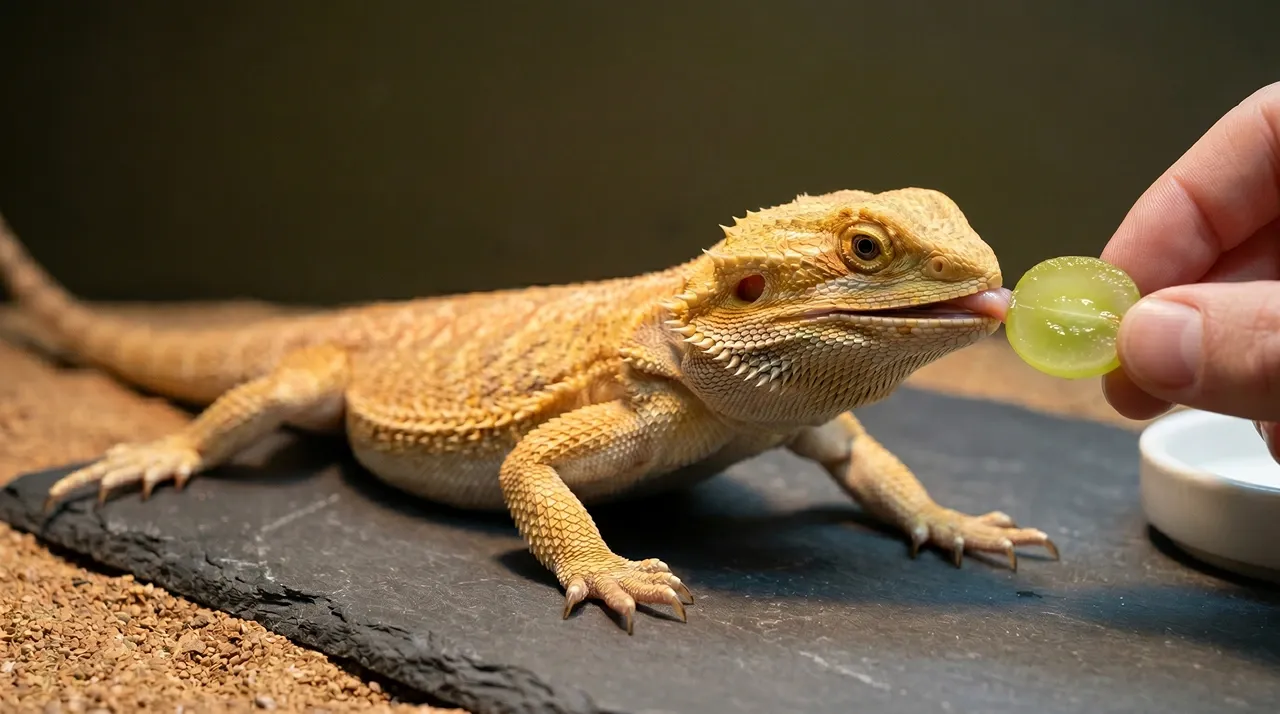
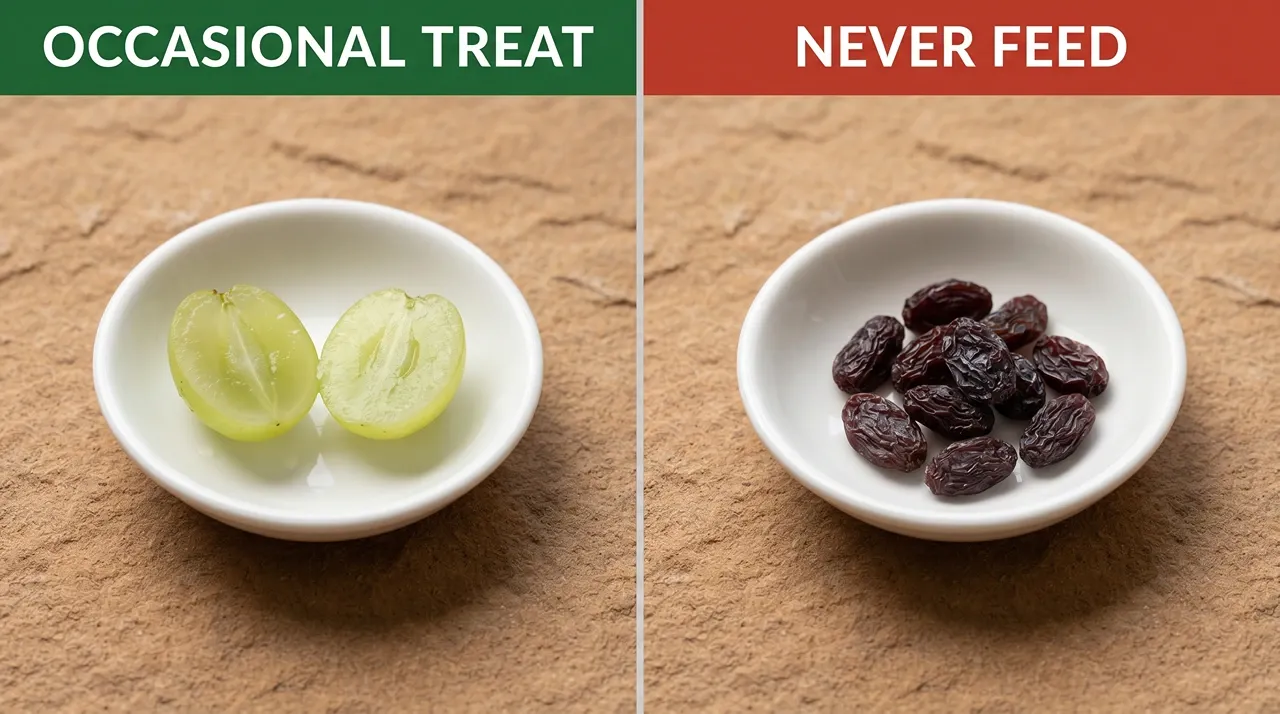
Your beardie locks onto a grape the second it hits your plate, head cocked, tongue already testing the air. So can bearded dragons eat grapes, or are you about to hand over something you shouldn’t? Grapes are fine as an occasional treat. They are not a daily food, and a few specific mistakes turn a harmless snack into a real problem.
The short version is simple. A healthy adult can have a grape or two about once a week. Babies get far less, and some dragons should skip grapes altogether.
What matters most is the part owners rarely get told. Grapes carry a lopsided calcium balance and a heavy sugar load, so the amount and the frequency matter more than whether grapes are “allowed” at all.
Can Bearded Dragons Eat Grapes Safely
Yes, in small amounts. Grapes sit in the treat category alongside other sweet fruit, and treats should make up a small slice of the diet rather than the bulk of it.
Fruit in general belongs at roughly 5 to 10 percent of what your dragon eats, sitting well behind insects and leafy greens. If you want the full picture on how much fruit is safe across a week, that ratio is the anchor everything else hangs off.
Grapes do bring something to the table. They hold a lot of water, which helps with hydration for dragons that ignore their water bowl. Red and purple grapes also carry more antioxidants than green ones.
None of that makes them a staple. The benefits are real but minor, and they sit next to risks that are easy to trigger if you overdo it.
How Often Grapes Are Actually Safe
Frequency is where most owners slip. One grape feels like nothing, so it quietly becomes three times a week, then daily, and the sugar adds up fast on a body that small.
Serving size scales with age and weight. A baby dragon eating a whole grape is getting a very different sugar hit than a 500 gram adult eating the same fruit.
| Age or stage | Amount per serving | How often |
|---|---|---|
| Baby (0–6 months) | Skip or half a grape, chopped small | No more than once a week |
| Juvenile (6–18 months) | Half to one grape, quartered | Once a week |
| Adult (18+ months) | One to two grapes, halved | Once a week |
| Any dragon with health issues | Ask your vet first | Once a month at most |
How Much for a Young Beardie
Babies and juveniles are building bone at speed, and they need every bit of calcium going in. Sugar and oxalates work against that, so young dragons get the smallest portions and the least frequent treats.
For anything under six months I usually skip grapes entirely. Their diet should lean heavily on insects, and there is no nutritional gap a grape fills at that age.
How Much for an Adult Dragon
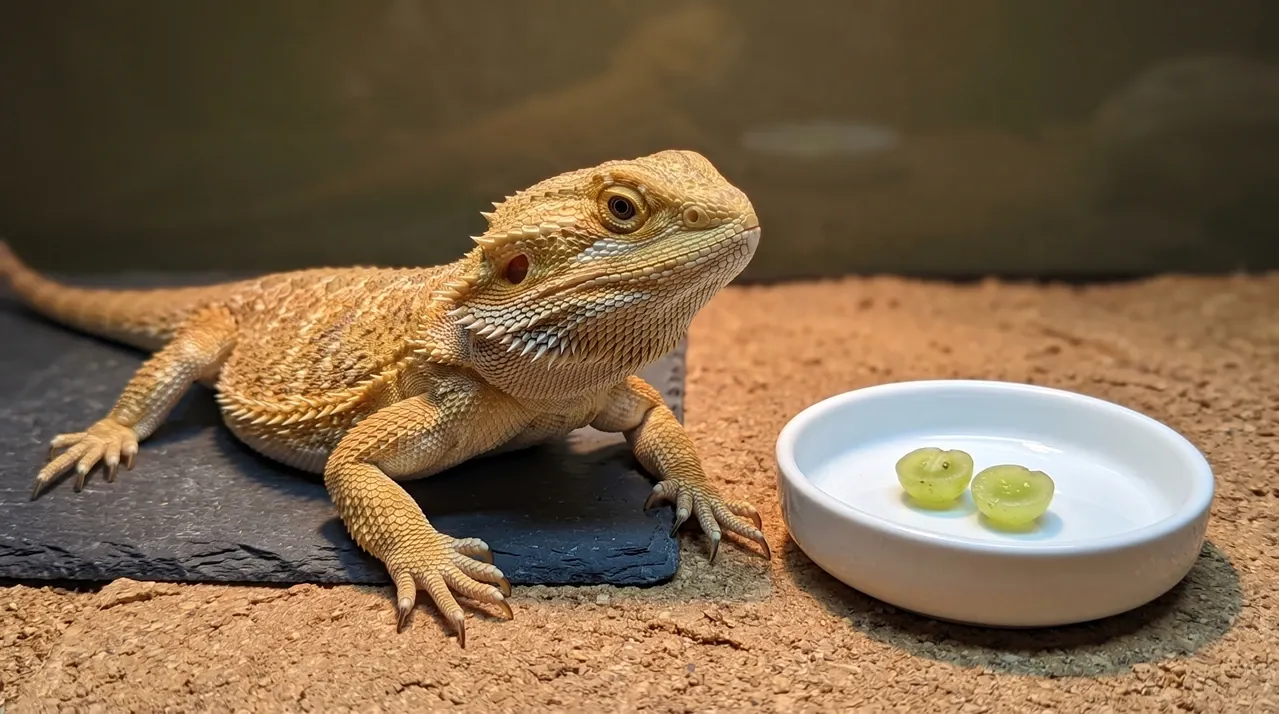
An adult in good shape handles a grape or two a week without any drama. Halve them so the portion is honest and the pieces are easy to swallow.
If your dragon is already carrying extra weight, treat grapes the way you would treat dessert for yourself. The occasional one is fine. A regular habit is the thing that does the damage.
Why Grapes Can Never Be a Staple
Two problems sit at the centre of the grape question, and both are invisible until they have done real harm. Sugar is the obvious one. The calcium issue is the one that catches careful owners off guard.
The Sugar Problem Most Owners Miss
Grapes are roughly 16 percent sugar by weight. For scale, that is well above the sugar concentration of regular cola, packed into a fruit your dragon will happily eat by the handful if you let it.
Too much sugar leads to obesity, fatty liver, and tooth issues over time. Bearded dragons are one of the most obesity prone reptiles in the hobby, so the sweet treats are exactly where restraint pays off.
How Grapes Quietly Steal Calcium
Grapes contain oxalates, which bind to calcium and pull it out of reach before the body can absorb it. They also carry far more phosphorus than calcium, and that ratio works the same way.
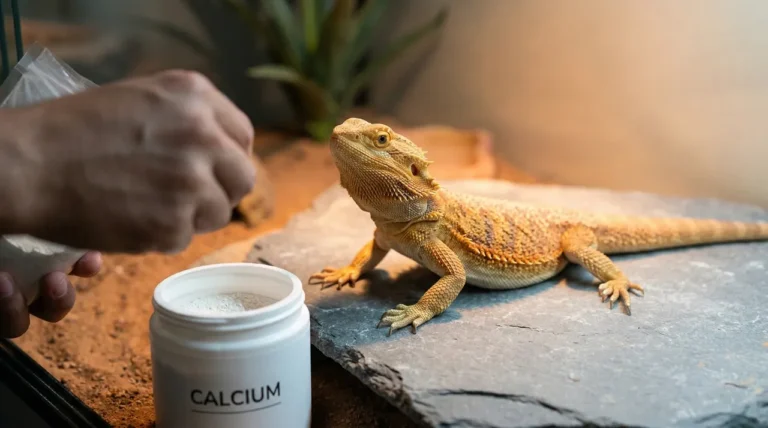
The result is a fruit that can chip away at calcium levels even when your dusting routine looks perfect. Sustained calcium loss is the road to metabolic bone disease, which is painful, disabling, and largely preventable.
Should You Worry About the Seeds
Yes, and it is the one rule with no flexibility. Always feed seedless grapes, and check anyway, because even “seedless” varieties occasionally hide a small seed.
A swallowed seed can lodge in the gut and cause a blockage. That is how a snack turns into an emergency, and the early signs of impaction are easy to miss until your dragon stops passing waste.
Cutting each grape in half does two jobs at once. It exposes any stray seed so you can pull it, and it shrinks the piece to a size that cannot choke a smaller dragon.
How to Prepare a Grape Properly
Preparation takes thirty seconds and removes almost every risk grapes carry. Skip it and you are relying on luck.
- Wash the grape under cold water to clear pesticide residue from the skin.
- Pull off any stem, which is a choking hazard and offers nothing useful.
- Cut the grape in half, or into quarters for a smaller dragon, and remove any seed you find.
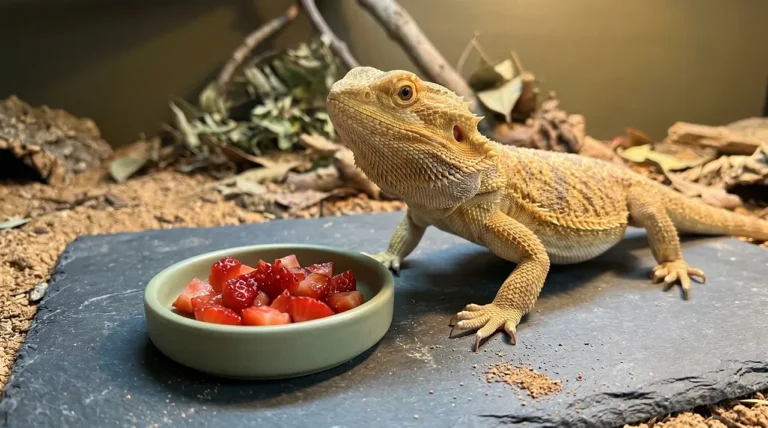
- Serve it in a shallow dish, never loose on substrate, so nothing else gets swallowed with it.
Leave the skin on. It holds most of the antioxidants, and a thorough wash deals with the residue concern better than peeling does.
Are Grape Leaves Better Than the Fruit
They are, and most owners never think to offer them. Grape leaves are high in calcium and protein, low in phosphorus, and rich in vitamin A, which flips the nutritional problem of the fruit on its head.
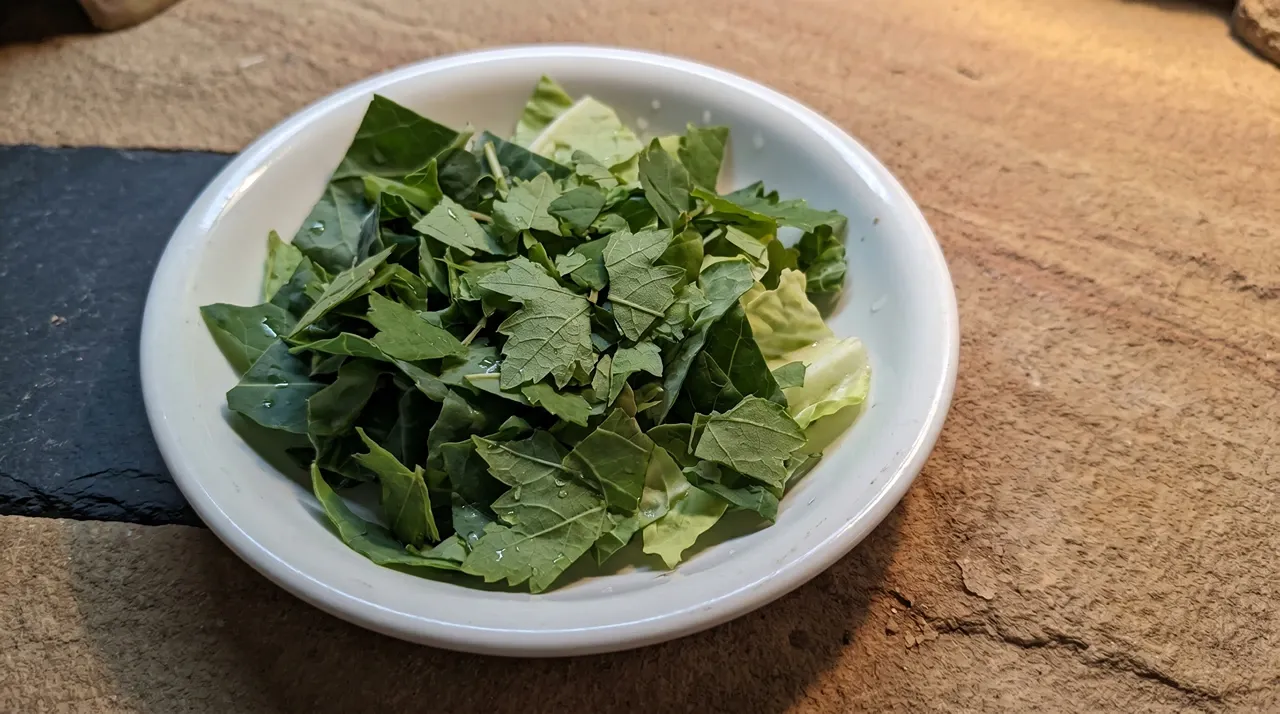
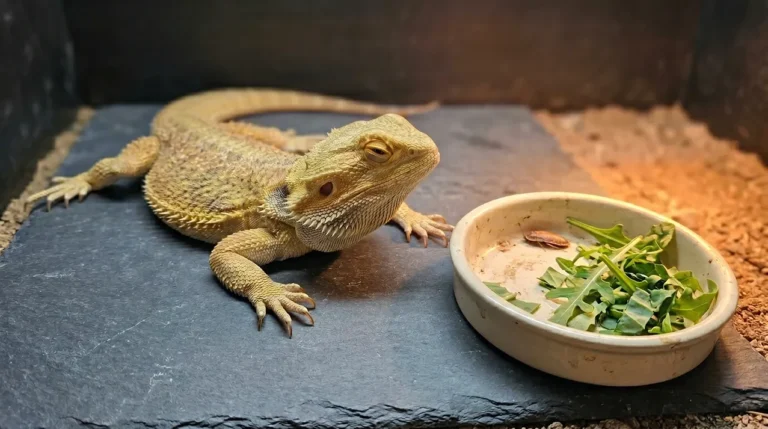
Wash and chop them, then mix them into the salad bowl like any other green. The sugar problem disappears, and you are adding calcium instead of working against it.
One caution. Only use leaves you know are free of pesticides and garden sprays, since the leaf surface holds residue just as the skin does.
When to Skip Grapes Completely
Some dragons should not get grapes at all, regardless of how much they beg. The sugar and the calcium drain hit these animals harder than a healthy adult.
- Dragons that are overweight or being managed for weight gain
- Any dragon recovering from or being treated for metabolic bone disease
- Gravid females, who already face heavy calcium demands from egg production
- Babies under six months, who need their calcium for bone growth
When you are unsure, a quick word with a reptile-experienced vet settles it. A treat is never worth gambling on for a dragon already under strain.
What to Watch for After Feeding
A grape now and then should pass without a ripple. Still, the day after a new treat is worth a glance, especially with a dragon you have not fed fruit before.
Loose or runny stool is the most common sign you offered too much, and cutting back usually fixes it within a day or two. Persistent diarrhoea points to a portion problem you should correct, not repeat.
Allergic reactions are rare but real. If your dragon starts gasping or flaring its nostrils after eating, treat that as a breathing emergency and call your vet straight away.
Bearded dragons evolved on the dry foods of the Australian interior, and the fruit-feeding guidance from UC Davis veterinary school reinforces the same point. Sweet, watery treats are an extra, not a foundation.
Quick Grape Questions Owners Ask
Can bearded dragons eat grapes every day?
No. Grapes are a once a week treat at most for a healthy adult. Daily feeding pushes sugar and oxalates to levels that cause weight gain and block calcium absorption.
Can baby bearded dragons eat grapes?
It is best to wait. Babies need their calcium for fast bone growth, and grapes work against that. If you do offer one, keep it to half a grape chopped small, no more than weekly.
Do I have to peel grapes for my bearded dragon?
No. The skin holds most of the antioxidants and is safe once washed. A thorough rinse handles pesticide residue better than peeling does.
Can bearded dragons eat green grapes?
Yes, green grapes are safe in the same small amounts as red or purple. Darker grapes simply carry more antioxidants, so they edge out green ones nutritionally.
Are grapes good for a dehydrated bearded dragon?
Their high water content can help a little, but grapes are not a fix for dehydration. A proper soak and a fresh water source do far more than fruit ever will.
How to Feed Grapes the Smart Way
So can bearded dragons eat grapes without any trouble? Yes, as long as you treat them as an occasional reward, the risks mostly disappear. The owners who run into problems are the ones who let a weekly treat drift into a daily habit.
Do these four things and you are covered:
- Cap it at one to two grapes a week for a healthy adult, less for the young or the unwell.
- Always halve them, remove seeds, and serve off the substrate.
- Use grapes as a high value bribe when your dragon is refusing its greens, tucking small pieces in with the salad.
- Skip them entirely for overweight, gravid, or calcium compromised dragons.
Get the frequency right and grapes stay what they should be. A small, sweet reward that does no harm.
Written by
Sarah ArdleySarah has kept bearded dragons for over ten years. She founded Beardie Husbandry after discovering that most mainstream care advice — including what she followed with her first dragon — was doing more harm than good. Every article on this site is grounded in veterinary research and real keeper experience.