Should You Feed Bearded Dragons Live or Frozen Insects?
Run out of crickets on a Sunday night and the question lands fast. Can you just stash a bag of bugs in the freezer and call it sorted? Choosing between live or frozen insects for bearded dragons comes down to what your dragon actually pulls from each feeder, not which one saves you a pet store trip.
Live wins on most counts. Frozen still earns a spot, mainly as backup, and for a handful of dragons it fixes a real problem.
The skill is knowing which job each one does. Both sit inside the same staple feeder rotation your dragon already depends on, so this is about quality and timing, not picking a side forever.
Live or Frozen Insects Both Have a Place
Most keepers feed live and treat anything else as a fallback. That instinct is correct, but the reasoning matters more than the rule.
A live cricket moves, holds water, and carries whatever you fed it that morning. A frozen one is a snapshot of the bug at the moment it died, minus some of the moisture. Same insect, different value on the plate.
The size of that gap is what decides how often frozen is acceptable. For a healthy adult, the odd frozen feeder changes nothing. For a fast-growing baby, leaning on frozen quietly shortchanges the diet.
Why Live Feeders Still Win Most Days
Three things separate a live bug from a dead one, and all three matter to a bearded dragon in ways that are easy to underrate.
The Hunting Instinct Is Not Optional
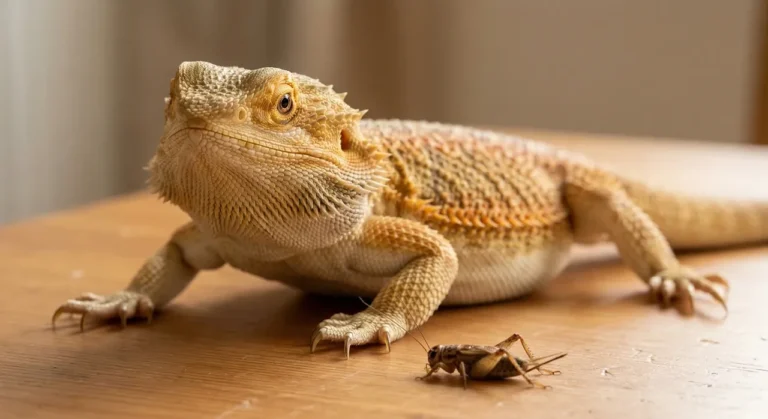
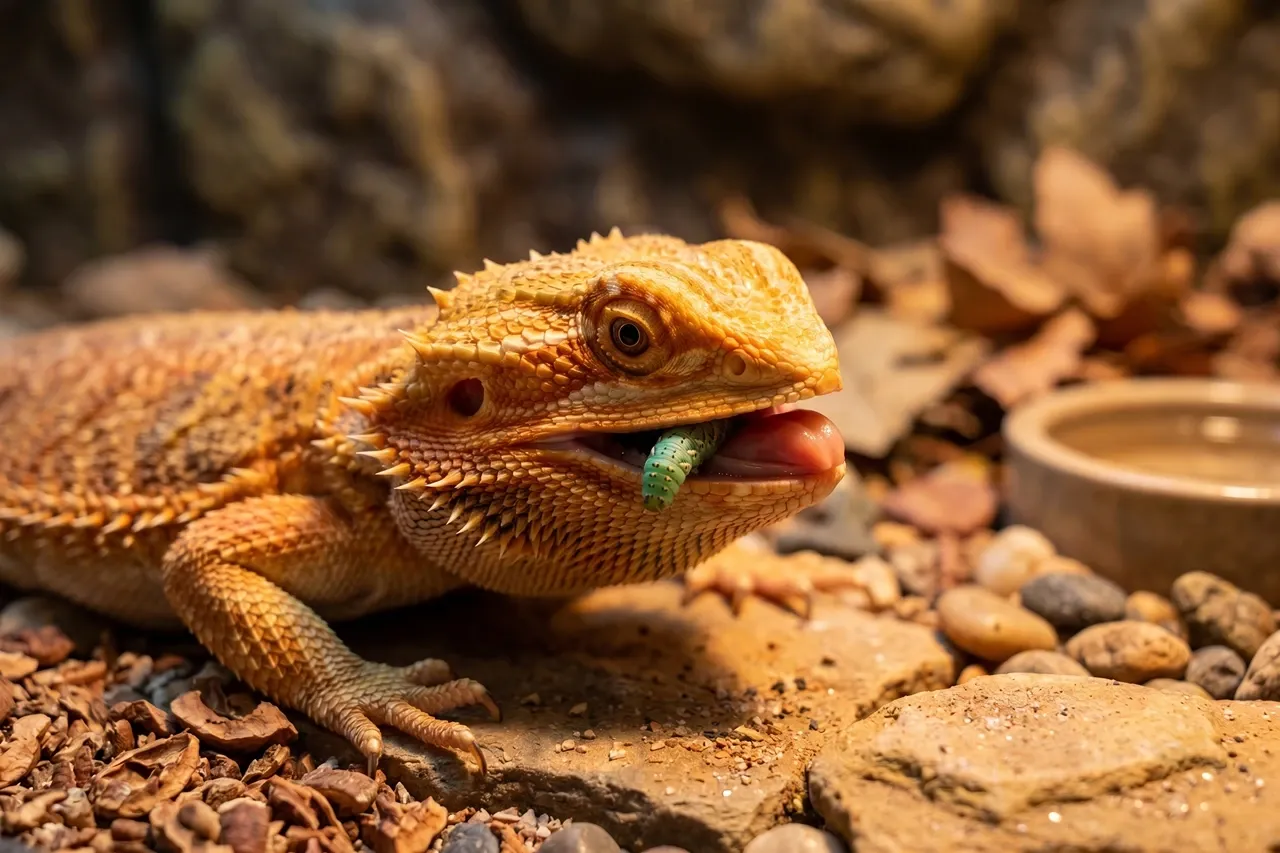
Movement is what flips the switch. A beardie locks on, stalks, and snaps at a feeder that twitches, and that chase is real exercise for a tank-bound animal.
Take the movement away and many dragons simply ignore the food. A still insect sitting in a dish reads as debris, not a meal, so they walk past it.
That refusal is not stubbornness. It is the same wiring that keeps a wild dragon alive, and you are working against it every time you offer something motionless.
Moisture Is the Part Owners Forget
Bearded dragons pull most of their daily water straight from their food. A plump live insect is mostly water by weight, and that hidden hydration props up healthy digestion.
Freezing and thawing leaks some of that water out. Lean on dried or frozen feeders too hard and you can nudge a dragon toward the early signs of dehydration without ever seeing them skip a meal.
You Can Only Gut Load Live Bugs
A feeder is mostly a delivery vehicle for whatever is inside it. Feed your crickets a rich mix of greens and supplement for a day or two and your dragon eats all of that nutrition secondhand.
You cannot do this with a thawed bug. The gut is empty, the insect is dead, and there is no window left to load it. Fresh gut loading only works on something alive.
What Frozen Actually Means for Feeders
This is where most advice online falls apart. People say “frozen” and “dried” as if they are the same product, and they are not even close.
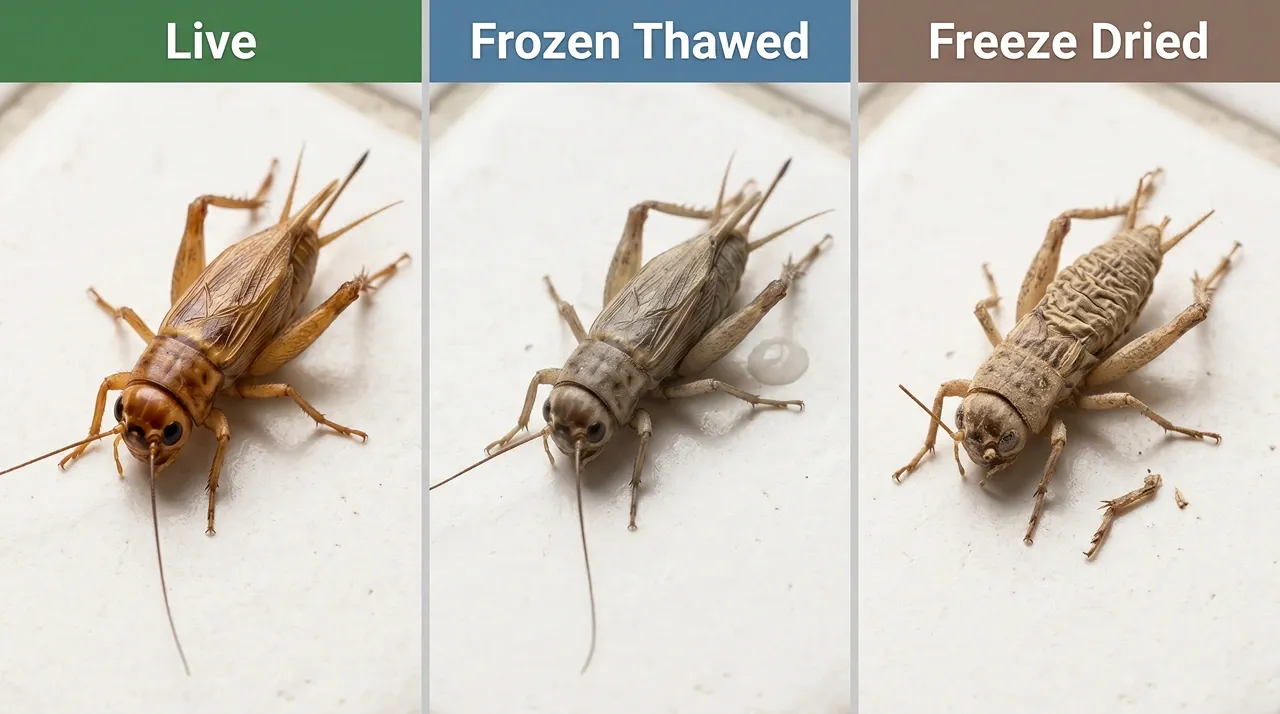
Frozen Thawed Is Not Freeze Dried
Frozen-then-thawed insects keep most of their soft tissue and a good share of their moisture. Handled right, they sit closest to live food in real nutritional terms.
Freeze-dried and canned insects are a different story. Freeze-dried bugs are crunchy, hollow, and stripped of nearly all water, which makes them an emergency snack rather than a meal.
So when someone tells you frozen is “just as good,” ask which kind they mean. A properly handled frozen-thawed dubia is worlds apart from a shaker tube of dried crickets.
Never Feed a Cold Insect
Your dragon is cold-blooded and runs its whole metabolism off external heat. Dropping a fridge-cold insect into that system is a real way to trigger gut trouble.
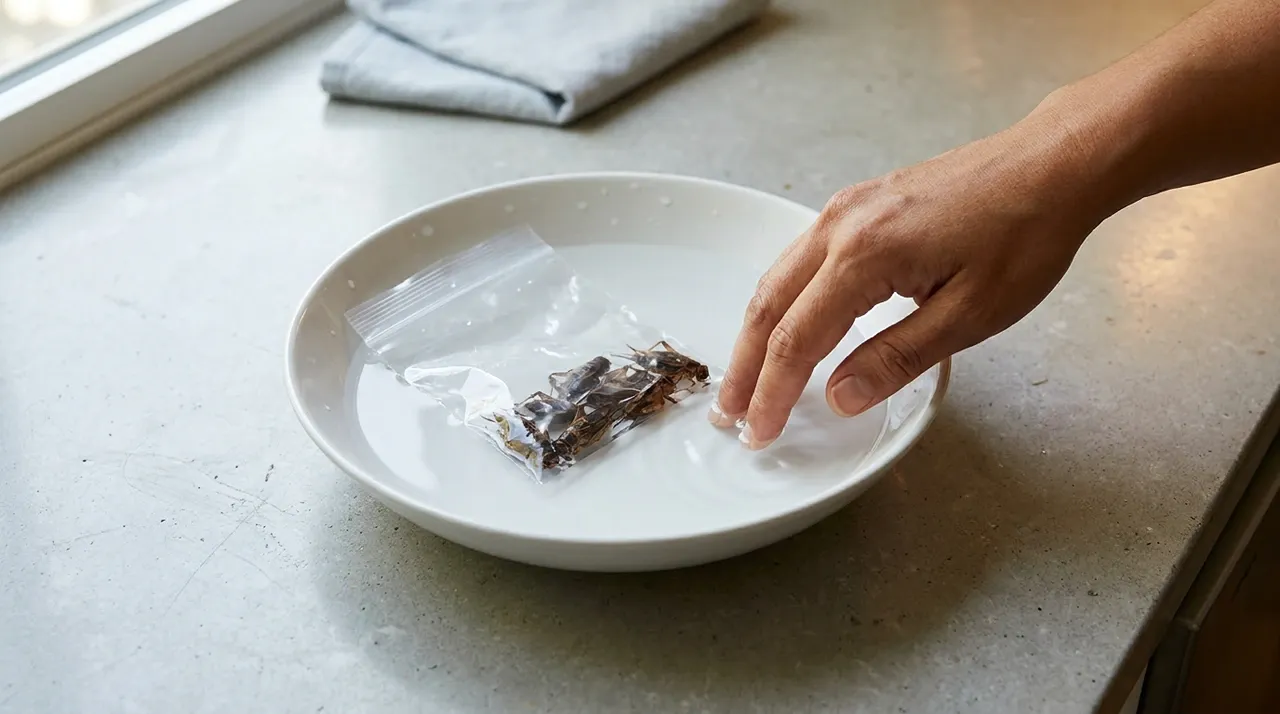
Thaw in a sealed bag at room temperature, or float the bag in lukewarm water for a few minutes. Never microwave them, and never feed anything still chilled in the centre.
When Frozen Insects Are the Better Call
Live is the default, but a few real situations flip the maths. Frozen earns its keep when the alternative is no insect at all, or a worse one.
- Supply gaps: your shipment dies or the shop is shut, and a pre-gutloaded frozen feeder beats skipping protein.
- Travel and emergencies: a power outage or a trip away makes keeping live colonies impractical.
- Squeamish keepers: someone who truly cannot handle live bugs will feed more consistently with frozen, and consistency beats guilt.
- Escape-prone feeders: crickets that vanish into the tank can hide and bite a sleeping dragon, which frozen never does.
Notice the pattern. Frozen is the answer when live is impossible, not when live is merely inconvenient.
How the Options Compare at a Glance
When you line the choices up side by side, the trade-offs stop being abstract.
| Feeder type | Nutrition | Moisture | Triggers hunting | Best use |
|---|---|---|---|---|
| Live insects | Highest, can be gut loaded fresh | High | Yes | Everyday staple for all ages |
| Frozen then thawed | Good if pre-gutloaded | Moderate | Rarely | Backup and supply gaps |
| Freeze-dried or canned | Low, mostly protein shell | Very low | No | Occasional treat only |
Read top to bottom and the safe rule writes itself. The further you move from live, the more it should be a stopgap and the less it should be a routine.
What to Do If Your Beardie Refuses Frozen
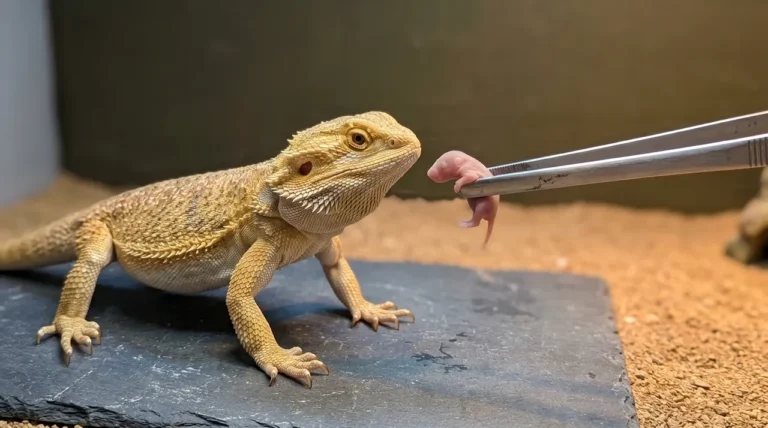
Plenty of dragons turn their nose up the first time a motionless bug appears. That is normal, and you can usually work around it with a bit of theatre.
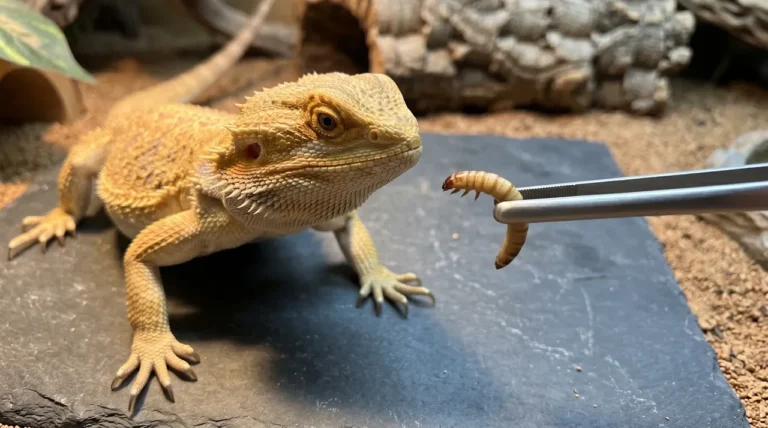
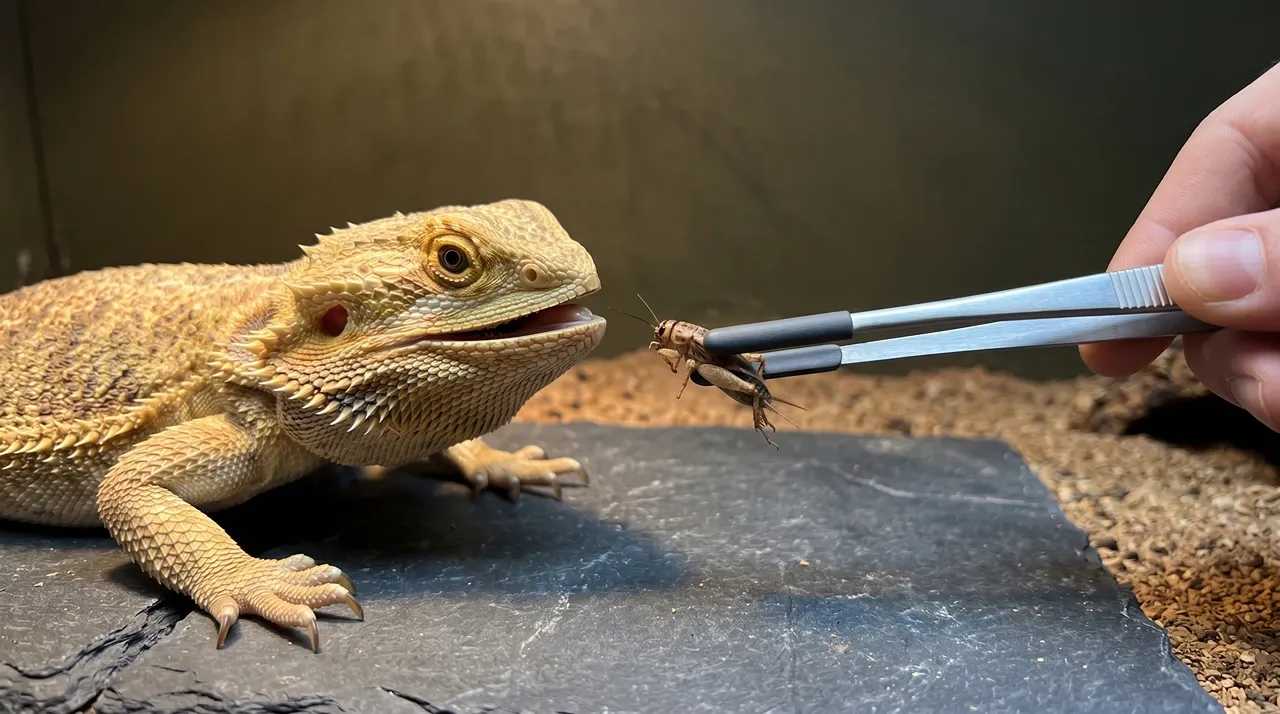
- Hold the thawed insect in soft feeding tweezers and wiggle it to fake movement.
- Offer it right after basking, when the dragon is warm, alert, and properly hungry.
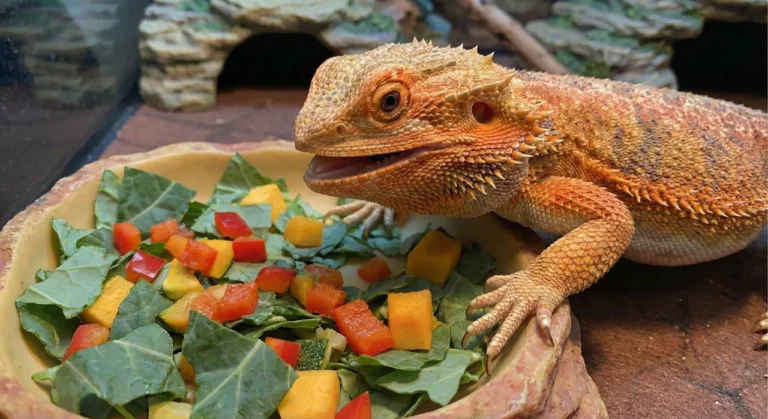
- Tuck it among fresh greens so it gets caught up in a feeding response.
- Start with a feeder they already love, like a mealworm treat, before switching the texture on them.
Some dragons never fully accept it, and that is fine. If frozen is a hard no, the honest fix is keeping a small live colony going instead.
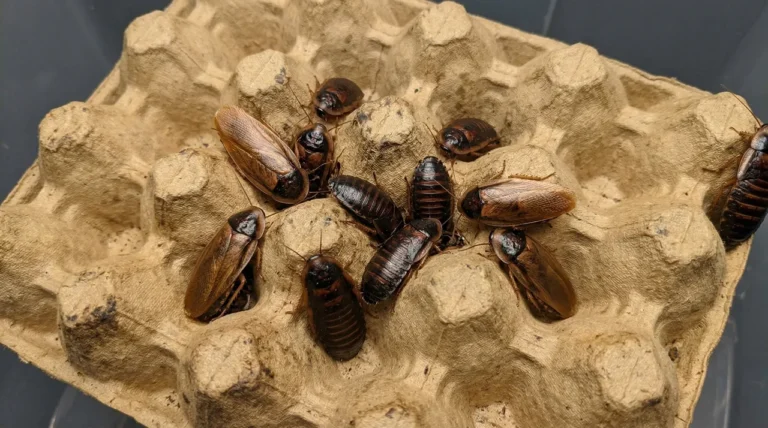
A bin of dubia roaches or a sensible system for keeping crickets alive longer removes most of the reasons people reach for frozen in the first place.
How Much Live Food Does Your Dragon Need
Age sets the ratio more than anything else. Babies are protein machines and adults are mostly salad eaters, so the cost of going frozen shifts as they grow.
A hatchling eats insects several times a day and uses every scrap of that protein for growth. Skimping on quality here shows up later as poor size or weak bones.
Adults flip to a greens-heavy plate with insects a few times a week, so an occasional frozen feeder barely registers. The full split by life stage is laid out in the feeding schedule by age, and it is worth matching frozen use to where your dragon sits on it.
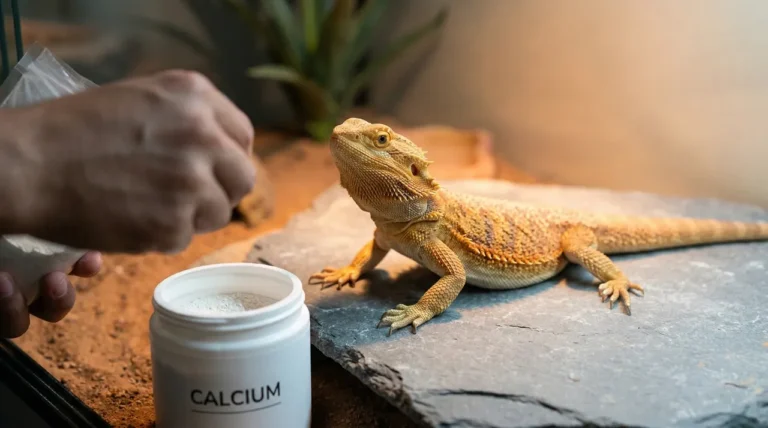
One rule holds at every age. A diet leaning on calcium-poor feeders still needs correct supplementation, because no feeder fixes a broken calcium to phosphorus balance on its own.
Frequently Asked Questions
Can bearded dragons eat dead insects?
Yes, if they are commercially prepared and fully thawed to room temperature. Avoid feeding insects you found dead in the tank or outside, since these can carry bacteria or parasites.
Are frozen insects as nutritious as live ones?
Almost, but only if they were gut loaded before freezing. Frozen-thawed feeders lose some moisture and cannot be loaded after the fact, so live still has the edge.
Why won’t my bearded dragon eat frozen bugs?
They are wired to chase movement, and a still insect does not register as food. Wiggling it with tweezers or offering it after basking usually fixes the refusal.
Can I feed only frozen insects long term?
It is not ideal, especially for growing dragons that need fresh gut loading and hydration. Use frozen as a backup and keep live feeders as the main source.
Should I thaw frozen insects before feeding?
Always. A cold insect can chill the gut of a cold-blooded animal and slow digestion. Bring it to room temperature in a sealed bag first.
The One Thing to Get Right
If you take a single idea away, make it this. Live feeders are the standard because they hydrate, they can be gut loaded fresh, and they trigger the hunting your dragon needs.
Frozen is a smart safety net, not a shortcut. Keep a pre-gutloaded bag in the freezer for the night your crickets die, thaw it properly, and feed it without guilt.
Build your routine around live, lean on frozen when life gets in the way, and reserve freeze-dried for the rare treat. Do that and the live versus frozen question stops being a worry and becomes just another part of feeding well.
Written by
Sarah ArdleySarah has kept bearded dragons for over ten years. She founded Beardie Husbandry after discovering that most mainstream care advice — including what she followed with her first dragon — was doing more harm than good. Every article on this site is grounded in veterinary research and real keeper experience.