How Often to Clean a Bearded Dragon Tank (Full Schedule)
A glass enclosure hides mess well, right up until it doesn’t. Waste breaks down slowly under a hot basking lamp, and by the time the tank starts to smell, bacteria have had days to spread across every surface your dragon touches.
How often you should clean a bearded dragon tank depends on what you mean by cleaning. Picking up a dropping takes thirty seconds. Stripping the enclosure down to bare glass is a monthly or quarterly job.
Confusing the two is why some tanks stay fresh and others turn sour on the exact same routine. Daily, weekly, and deep cleaning each solve a different problem.
Skip the daily work and the weekly clean gets grim. Skip the deep clean and no amount of spot cleaning keeps the smell down. Here is the full schedule, broken down by job and by substrate.
How Often to Clean a Bearded Dragon Tank
How often you need to clean a bearded dragon tank comes down to three separate jobs. The short version fits in one line. Spot clean every day, wipe surfaces weekly, and deep clean monthly to quarterly depending on your substrate.
That last range is where the confusion lives. A paper towel or tile setup gets disinfected far more often than a deep loose substrate that takes longer to foul. The schedule below assumes one adult dragon in a correctly sized enclosure.
| Cleaning task | How often | What it includes |
|---|---|---|
| Spot clean | Daily | Droppings, uneaten insects, soiled patches of substrate |
| Water bowl | Daily | Tip out, scrub, refill with fresh water |
| Surface wipe | Weekly | Glass, hides, decor, food bowl, basking rock |
| Deep clean | Monthly to quarterly | Full strip, disinfect, substrate change |
What Daily Spot Cleaning Actually Means
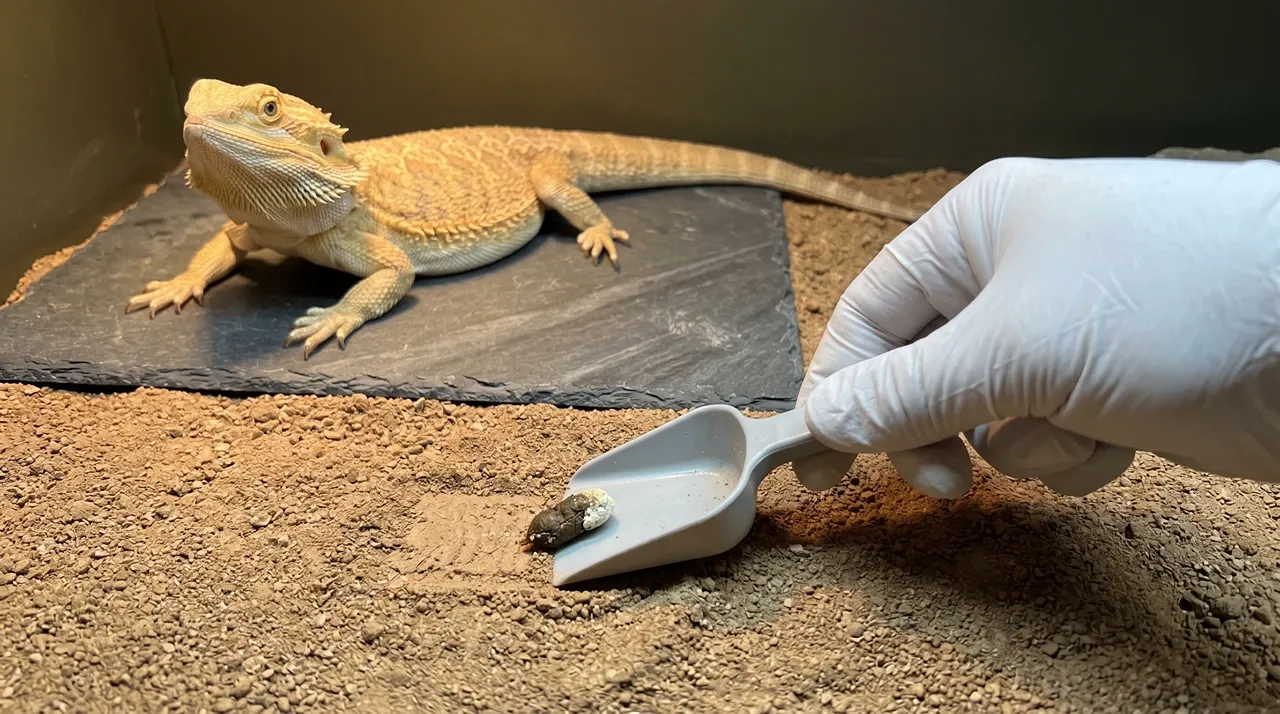
Daily spot cleaning is the habit that keeps everything else manageable. It takes two minutes and pulls out the waste that drives both smell and bacteria before either gets going.
Lift out droppings as soon as you spot them. Reptile waste carries the bacteria you least want building up, and a dropping left under a 100°F basking zone dries onto the surface fast.
Pull any uneaten insects too. Crickets and dubia that escape into the substrate die, rot, and draw in grain mites within a day or two.
The Water Bowl People Forget
A water bowl grows a slick bacterial film within twenty-four hours, basking heat or not. Tip it out daily, scrub it under hot water, and refill. A bowl that feels slippery has already gone too long.
The Weekly Clean Most Owners Skip
Once a week the cleaning goes past simple waste removal. This is when you wipe down the surfaces that daily spot cleaning never touches.
Take out the hides, decor, and dishes. Wipe the glass with a reptile-safe cleaner or a plain vinegar solution, then dry it. Vinegar handles grime and water marks here, which is a different job from disinfecting.
On paper towel or tile, the weekly clean is also when you swap or wipe the flooring. Loose substrate gets raked through and sifted for hidden waste instead.
Wipe the basking rock and any branch your dragon climbs. Shed skin, dust, and dried waste collect on these faster than they do on the glass.
When to Do a Full Deep Clean
A deep clean strips the enclosure to bare glass and disinfects every surface. How often you deep clean the enclosure is the most argued point of all, and the honest answer is that it tracks your substrate.
The principle is simple. Surfaces you wipe daily foul slowly. Loose substrate that hides waste and holds moisture fouls faster and needs full replacement, not just a wipe.
How Substrate Changes the Schedule
This is where one-size advice falls apart. The right deep-clean frequency depends on what your dragon actually stands on.
| Substrate | Deep clean frequency | Notes |
|---|---|---|
| Paper towel | Weekly full swap | Cheapest, easiest to monitor waste |
| Tile or slate | Monthly disinfect | Wipe daily, lift and scrub monthly |
| Loose soil mix | Every 1–3 months | Full change, sooner if it smells |
| Bioactive | Rarely | Clean-up crew does the work |
If your dragon lives on a soil-based mix and it smells before the three-month mark, that is your cue to change it early. Smell is data, not a nuisance to mask over.
How to Deep Clean Step by Step
- Move your dragon to a secure, warm backup container.
- Remove all substrate, decor, hides, and dishes.
- Scrape off dried waste, then wash surfaces with hot soapy water.
- Apply a reptile-safe disinfectant and leave it for the full contact time.
- Rinse thoroughly, then dry every surface completely before rebuilding.
The step people rush is the contact time. A disinfectant only kills bacteria if it stays wet on the surface for the time the label states, often around ten minutes. Spraying and wiping straight away does almost nothing.
Vinegar Is a Cleaner Not a Disinfectant
This is the mistake repeated across most cleaning guides. Vinegar cuts grease, lifts water stains, and deodorises, so it earns its spot in the weekly wipe. What it does not do is reliably kill salmonella or reptile parasites.
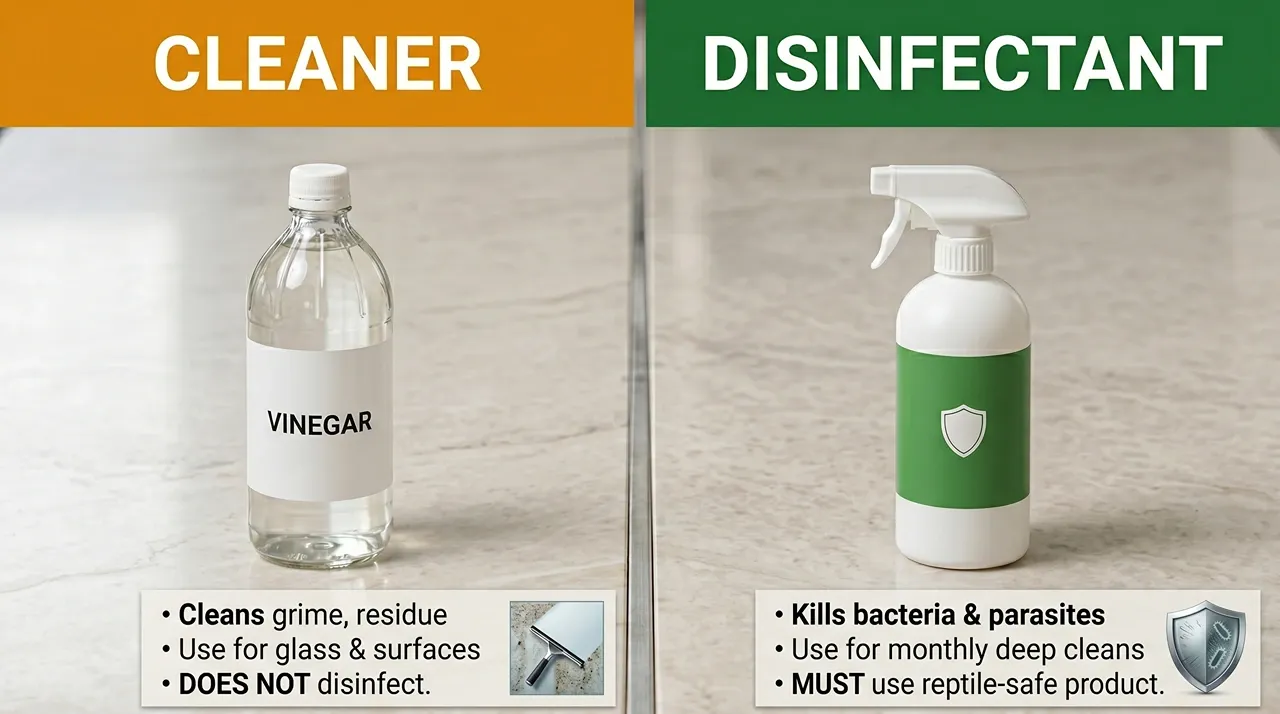
For the deep clean you need a real disinfectant. The options keepers trust are a veterinary product such as F10SC, a reptile-safe disinfectant from a pet shop, or a diluted bleach solution rinsed off completely afterward.
Whatever you use, the rinse and dry stages matter as much as the disinfectant itself. Trapped residue and fumes inside an enclosed tank cause respiratory irritation, which a dragon cannot flag to you until it has already worsened.
Why Bioactive Tanks Barely Need Cleaning
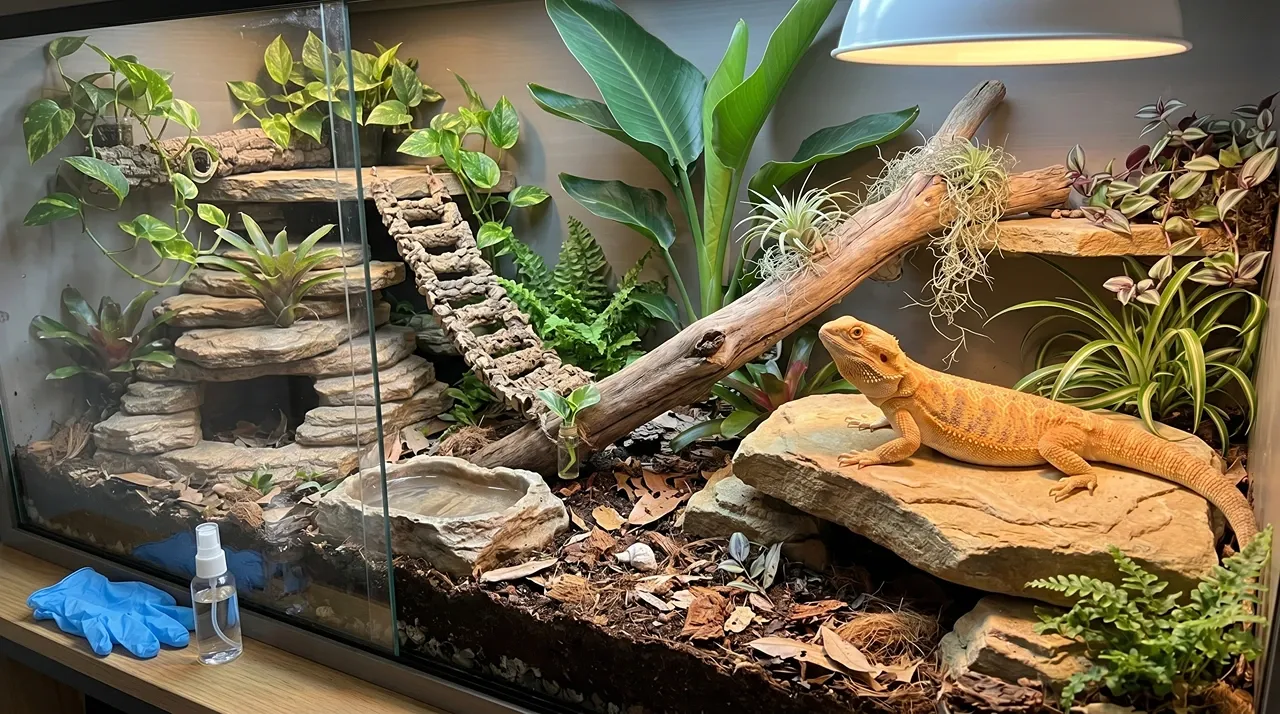
A bioactive setup runs on a live clean-up crew of isopods and springtails that break down waste in place. Done right, it changes the cleaning schedule completely.
You still remove uneaten insects and the occasional large dropping, but there is no monthly teardown and no full substrate change. The biological system handles what a sterile tank makes you do by hand.
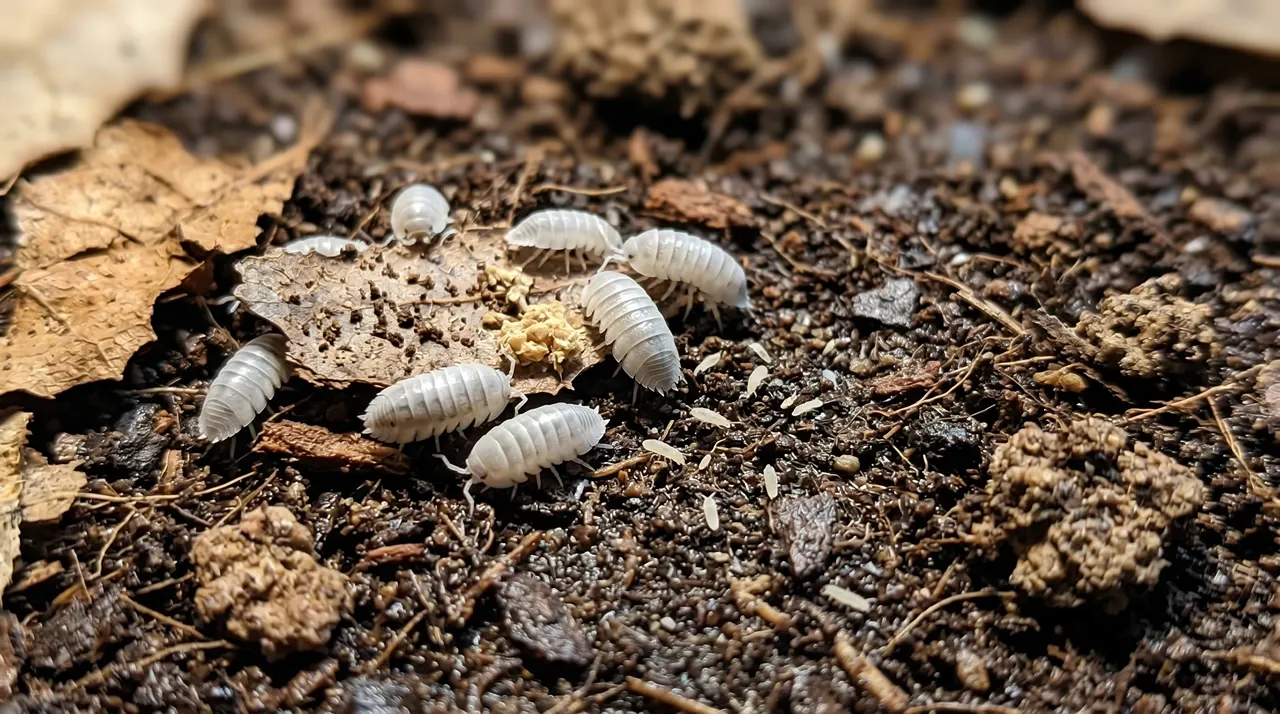
A working setup needs proper drainage and an established clean-up crew before you can lean on it. Until the colony is stable, treat the tank like a standard loose-substrate setup and clean it accordingly.
How to Clean Without Spreading Salmonella
When you clean a bearded dragon tank you also create a salmonella exposure point, because reptiles shed the bacteria in their waste even when perfectly healthy. The cleaning itself is the moment it spreads to your hands and surfaces.
Wear gloves, and never wash tank items in the kitchen sink. Use a bathtub or a dedicated laundry sink, then disinfect that area straight after. The full salmonella risk for homes with young children is higher than people assume.
Wash your hands thoroughly with soap afterward, every single time. The CDC links recurring salmonella outbreaks to pet bearded dragons and flags enclosure cleaning as a key exposure point that casual owners skip.
Frequently Asked Questions
How often should you deep clean a bearded dragon tank?
Most setups need a full deep clean every month to every three months. Tile and paper towel get disinfected monthly, while loose substrate is fully replaced every one to three months, sooner if it smells.
Can you use vinegar to clean a bearded dragon tank?
Vinegar works as a cleaner for glass and grime but does not disinfect. Use it for the weekly wipe, then switch to a reptile-safe disinfectant or F10SC for the monthly deep clean.
Do you have to take the dragon out to clean the tank?
For daily spot cleaning, no. For a deep clean involving disinfectant, always move your dragon to a secure warm container until every surface is rinsed and fully dry.
Why does my bearded dragon tank still smell after cleaning?
A smell that lingers after spot cleaning almost always means the substrate itself needs a full change. Surface wiping cannot fix waste that has soaked into loose bedding.
Is a bioactive tank really self-cleaning?
Mostly, once it is established. A mature clean-up crew breaks down waste so you skip the teardown, though you still remove uneaten insects and check the enclosure daily.
Your Cleaning Checklist Starting Today
- Today: lift out droppings and uneaten insects, then tip and scrub the water bowl.
- This week: wipe the glass, hides, and decor, and refresh paper towel or sift loose substrate.
- This month: run a full deep clean with a reptile-safe disinfectant, giving it the full contact time.
- How often you clean a bearded dragon tank should track your substrate, not a fixed date on the calendar.
- Keep a dedicated set of gloves and tools that never go anywhere near the kitchen.
Written by
Sarah ArdleySarah has kept bearded dragons for over ten years. She founded Beardie Husbandry after discovering that most mainstream care advice — including what she followed with her first dragon — was doing more harm than good. Every article on this site is grounded in veterinary research and real keeper experience.