Can Bearded Dragons Swim? Safety, Drowning Risks, and How Long
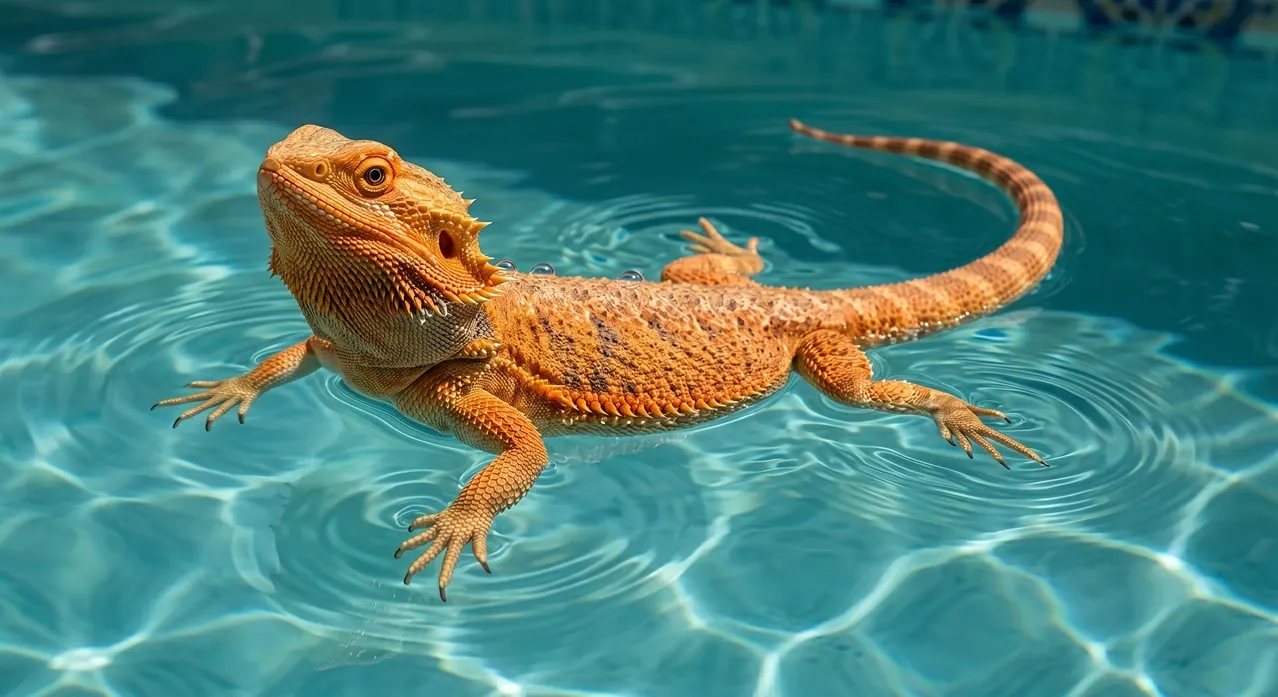
Drop a bearded dragon into a few inches of warm water and you usually get one of two reactions. Some flatten out, puff up slightly, and paddle across like it is the most natural thing in the world. Others freeze, scrabble at the sides, and make it obvious they want out. So can bearded dragons swim? Yes, most can, and a fair number seem to enjoy it.
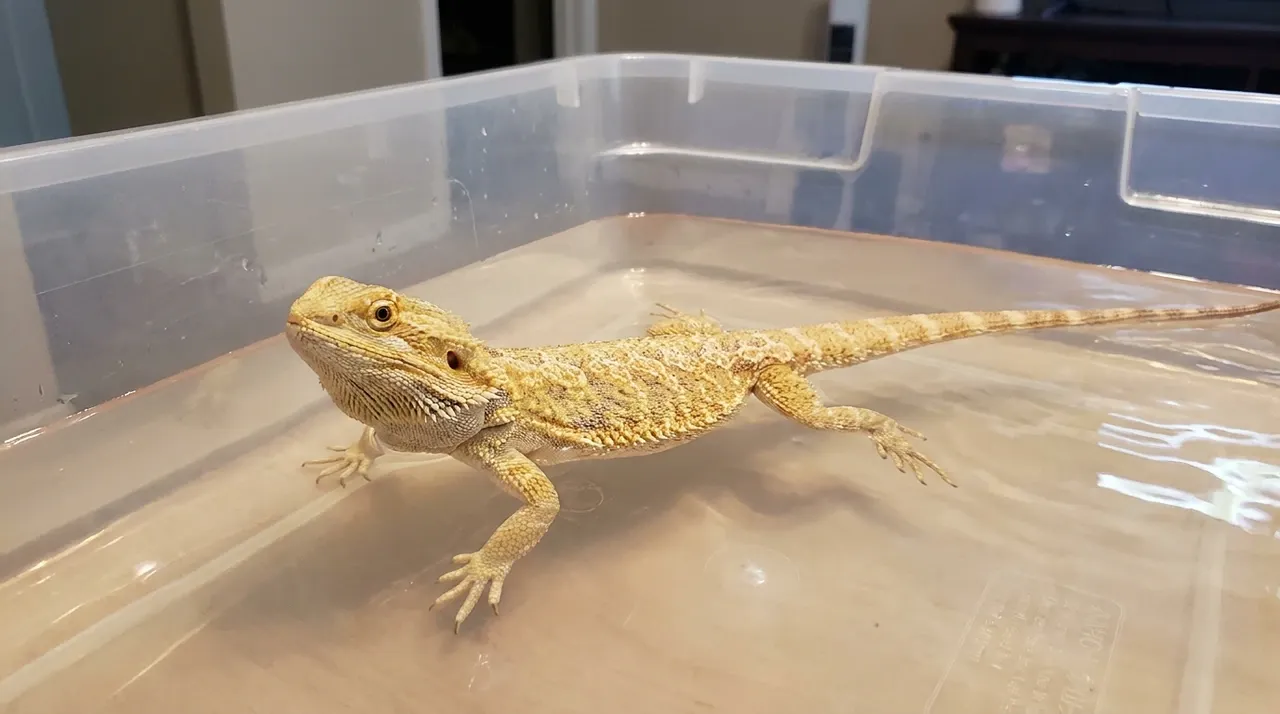
The part people skip over is the risk. A relaxed float can turn into a struggling, exhausted dragon faster than you would expect. Most dragons first meet deeper water during a routine warm soak, and how they behave in the bath tells you a lot before you ever try anything deeper.
Swimming is fine for the right dragon under the right conditions. It is also one of the easier ways to scare or chill a beardie if you get the basics wrong. Here is what actually matters.
Can Bearded Dragons Swim or Just Float
They really do swim. A bearded dragon gulps air to inflate its body, which lifts it higher in the water. From there it paddles with all four legs while the tail sweeps side to side for propulsion. It looks a bit frantic, but that motion is normal swimming, not panic.
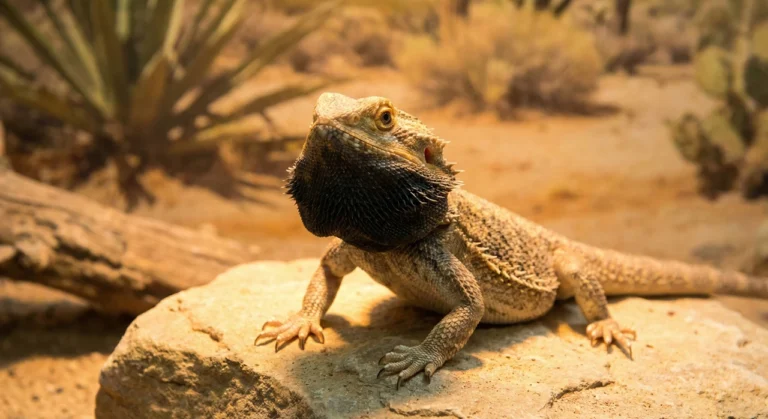
These are desert animals from arid parts of Australia. They did not evolve to live in water, but wild dragons will cross a stream or puddle when they have to. That instinct is why most pet beardies can swim without ever being taught.
Enjoyment is a different question. Some dragons settle, paddle calmly, and will happily potter around a shallow tub. Others tolerate it at best. A few hate it from the first second and never come around, and pushing those individuals does more harm than good.
Why Drowning Is a Real Risk
There is a stubborn myth that bearded dragons cannot drown. They absolutely can. A tired dragon that cannot find an exit will eventually take water into its lungs, and that is as dangerous as it sounds.
The bigger everyday risk is not full drowning but water getting into the airway. A dragon that gulps or inhales water during a thrash can develop breathing trouble hours later. If yours takes in bath water, you need to know the warning signs before they escalate.
How to Spot a Struggling Dragon
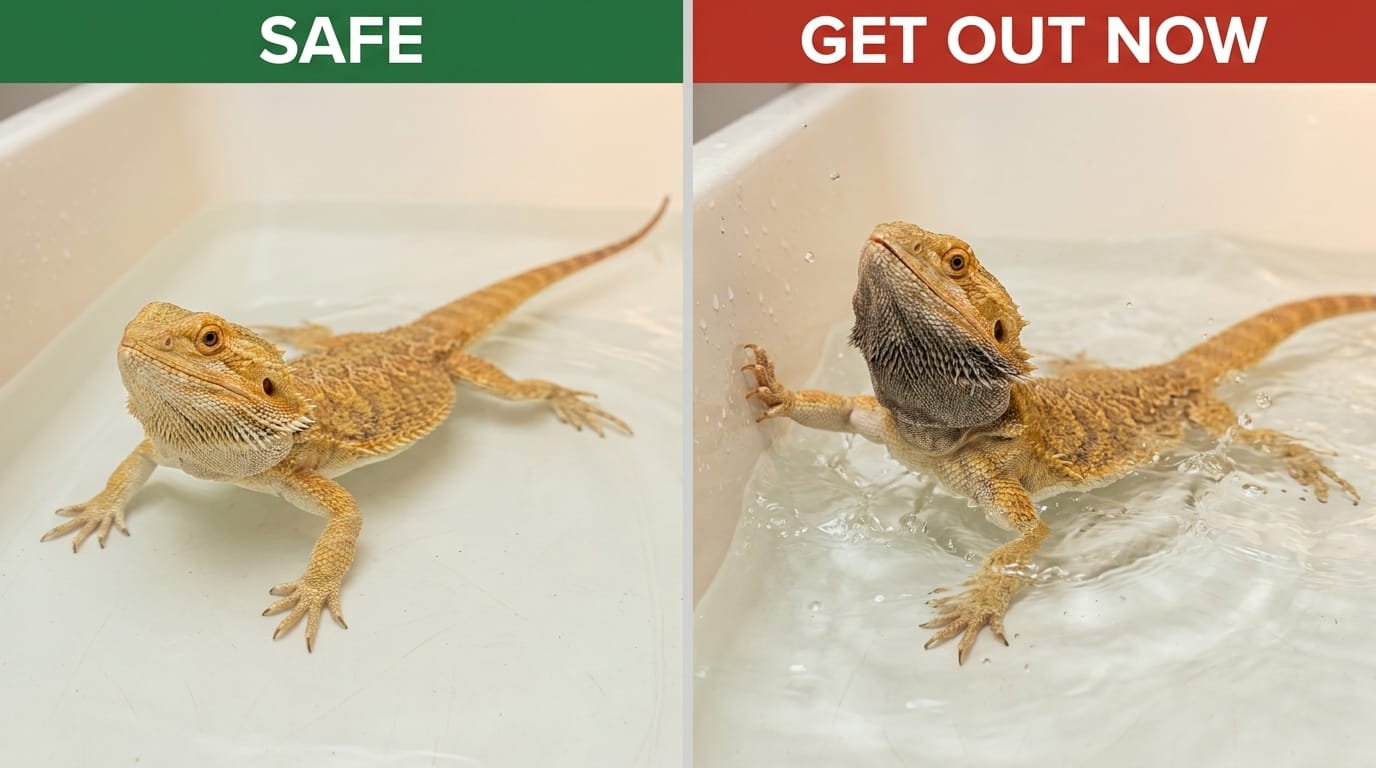
Calm swimming and panic look different once you know the cues. A relaxed dragon keeps its head up and paddles in a steady rhythm. A struggling one tells you quickly.
- Head tilting back with the nose pointed sharply up to keep the nostrils clear
- Frantic, uneven paddling instead of a smooth rhythm
- Body sitting low with water near the nostrils
- Repeatedly trying to climb the sides with no exit available
Any of these means swim time is over. Lift the dragon out calmly and let it rest somewhere warm.
How Long Should a Swim Actually Last
Keep it short. Ten to fifteen minutes is plenty for a healthy adult, and most dragons are ready to get out before that anyway. The limit is not about boredom. It is about body heat.
Bearded dragons are cold-blooded and lose warmth fast in water, even water that felt warm when you filled the tub. A dragon that gets too cold becomes sluggish and stressed, which is exactly when accidents happen.
Babies and juveniles need even less time. Five to ten minutes is the ceiling, and they chill faster because of their size. If you keep a young dragon’s first soak brief, you avoid most of the stress that comes with early water exposure.
What Water Temperature Keeps Them Safe
Aim for water between 85°F and 95°F. That sits close to their preferred body temperature and stops them chilling within a couple of minutes.
Cold water is the most common mistake new owners make. Anything that feels cool to your wrist is too cold for a beardie and will shut down their activity quickly. Test it the way you would for a baby’s bath, on the inside of your wrist, before the dragon goes anywhere near it.
A digital thermometer takes the guesswork out entirely. The same care you put into your enclosure temperature readings applies to bath and swim water, because a dragon cannot warm itself back up while it is wet.
Skip the Chlorinated Pool Completely
Swimming pools are off limits. Chlorine and the other chemicals in pool water irritate a dragon’s eyes, skin, and respiratory tract, and a dragon that drinks pool water can get seriously sick.
Salt water is no better. Sea water and salt pools dehydrate the skin and sting any small cut or shedding patch. Lakes and ponds carry their own problem, since standing natural water can hold parasites and bacteria your dragon has no business meeting.
Plain, dechlorinated tap water at the right temperature is all you need. If your tap water is heavily chlorinated, let it stand or use a reptile-safe dechlorinator, the same way you would for the drinking dish. Chemical exposure in water is a known trigger for irritated, swollen eyes that owners often misread as an injury.
How to Read Your Dragon in the Water
Behaviour in the tub is the clearest signal you will get about whether to continue. This table covers the situations owners run into most.
| What you see | What it means | What to do |
|---|---|---|
| Steady paddling, head up, calm | Comfortable and swimming normally | Let it continue, stay within arm’s reach |
| Pooping in the water within minutes | Warm water relaxed the gut, very common and harmless | Change the water, carry on if the dragon is calm |
| Dark beard, gaping, frantic clawing | Stressed and wants out | Remove immediately, do not force more sessions |
| Head tilted back, nose pointed up, low body | Struggling to keep airways clear | Lift out now, dry off, watch breathing for hours |
| Floating still, not paddling, eyes closed | Possible chilling or distress, not relaxation | Remove and warm under the basking lamp |
How to Tell If Your Dragon Hates Water
Plenty of dragons never warm to swimming, and that is completely fine. Forcing a frightened beardie back into water teaches it that you are the source of the fear, which damages handling far beyond bath time.
The clearest sign is a dragon that goes dark and tense the moment it touches water. Persistent dark stress markings on the belly, combined with frantic escape attempts, mean this individual is not enjoying a single second of it.
If that is your dragon, skip swimming entirely. A shallow warm soak for hydration and shedding gives most of the benefit without the panic, and your dragon stays relaxed around you.
What to Do When Swim Time Ends
The minutes right after a swim matter as much as the swim itself. A wet, cooling dragon needs to warm back up before anything else.
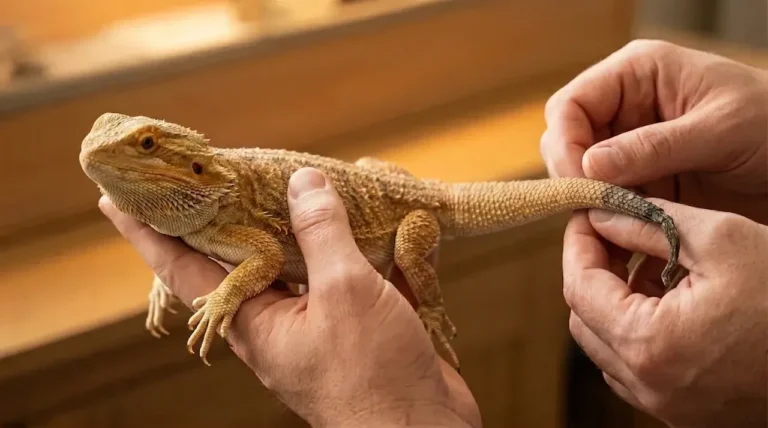
- Lift the dragon out and pat it dry with a soft towel, paying attention to the armpits and under the tail.
- Place it directly under the basking lamp so it can raise its body temperature back to normal.
- Watch its breathing for the next few hours, listening for any clicking, wheezing, or open-mouthed effort.
That rewarming step is not optional. Getting the basking spot temperature right means a chilled dragon recovers within twenty minutes instead of sitting cold and stressed.
Water in the airway does not always show up straight away. If your dragon develops a clicking sound or mucus in the day after swimming, treat it as a possible infection rather than waiting to see if it clears.
Frequently Asked Questions
Can baby bearded dragons swim?
Yes, but keep sessions to five minutes or less. Babies chill much faster than adults and stress more easily in water. A shallow warm soak is usually safer than letting a young dragon swim freely.
Do bearded dragons actually like swimming?
Some do and some clearly do not. It comes down to the individual dragon’s temperament. Calm paddling with the head up means it is comfortable, while a dark beard and frantic clawing mean it wants out.
How long can a beardie hold its breath?
A healthy dragon can stay submerged for several minutes, sometimes up to ten, by slowing its metabolism. That does not make it safe to let them. A tired or cold dragon can still drown well within that window.
Can bearded dragons swim in a swimming pool?
No. Chlorine and pool chemicals irritate their eyes, skin, and lungs, and drinking the water can make them ill. Use plain dechlorinated water at 85°F to 95°F in a clean tub instead.
Why does my dragon poop when swimming?
Warm water relaxes the gut and stimulates a bowel movement, which is completely normal. Many owners use a warm soak specifically to help a constipated dragon go. Just change the water and carry on if the dragon stays calm.
Your Safe Swimming Checklist
Before you let your bearded dragon swim, run through these steps every time.
- Fill a clean tub with dechlorinated water between 85°F and 95°F and test it on your wrist.
- Keep the depth shallow enough that the dragon can stand and lift its head clear of the surface.
- Stay within arm’s reach for the entire session, with no exceptions.
- Limit adults to ten to fifteen minutes and babies to five, ending sooner if the dragon looks lethargic.
- Watch for a dark beard, frantic paddling, or a tilted-back head, and remove the dragon the moment any appear.
- Dry the dragon thoroughly and return it straight to the basking lamp to rewarm.
- Listen for clicking or laboured breathing over the next few hours and contact a reptile vet if it appears.
Written by
Sarah ArdleySarah has kept bearded dragons for over ten years. She founded Beardie Husbandry after discovering that most mainstream care advice — including what she followed with her first dragon — was doing more harm than good. Every article on this site is grounded in veterinary research and real keeper experience.